
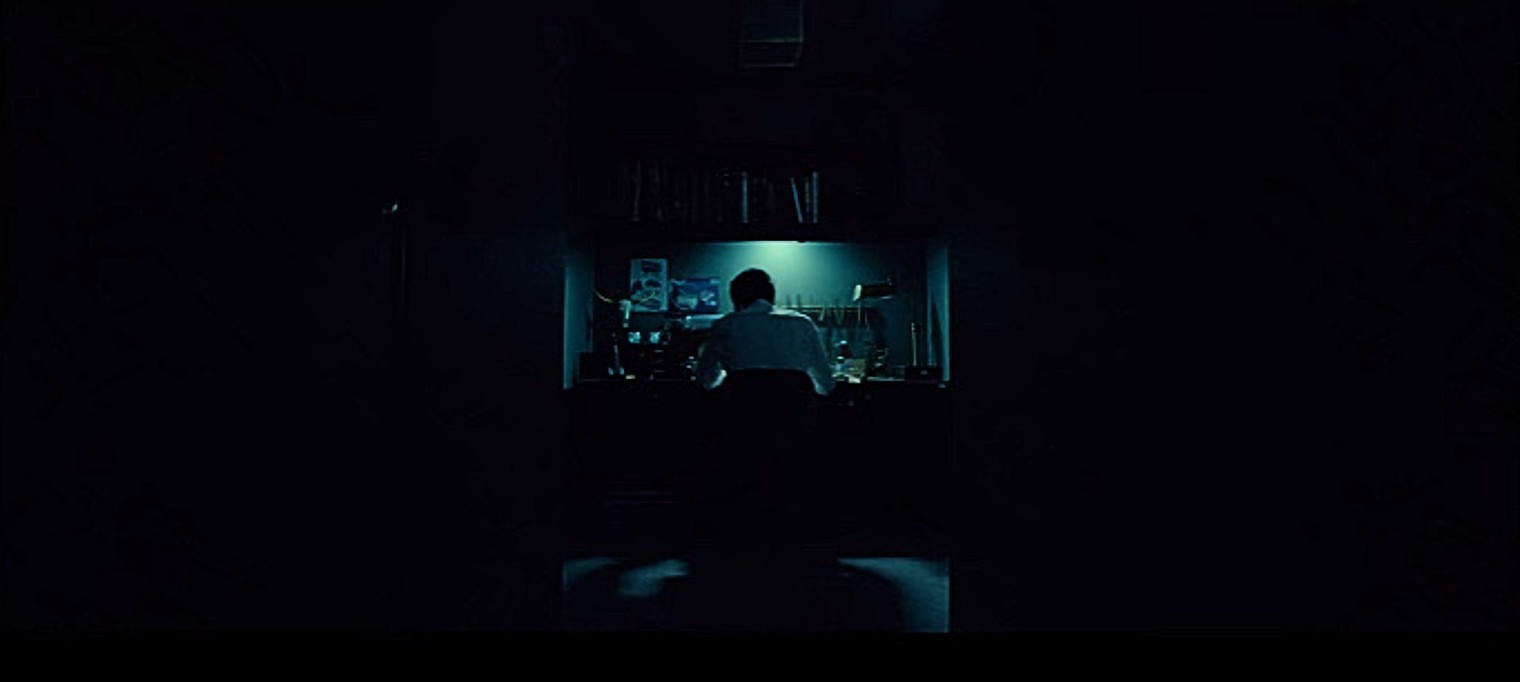
trigger warning // contains depictions of blood , death , knives
“The transformations of two perceived pedestrian men into a) a gigantic beetle and b) a psychotic killer queer the common metamorphosis story in hopes of festering disbelief in society’s beautiful swan of normalcy.”
The caterpillar transforming into a beautiful butterfly is one of the first metamorphoses humans learn in their lifetime. This word, metamorphosis, is caked with positive connotations associated with becoming better than one previously was; the ugly duckling turns into a beautiful swan, the mermaid becomes a human in order live the life she always craved, a puppet on strings turns into a real boy— the list could go on.
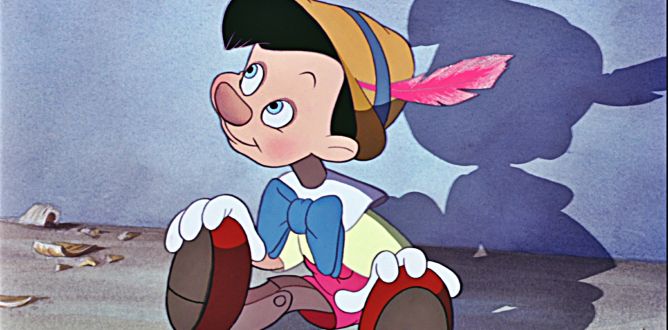
However, as previously mentioned, the transformations are beautiful and always result in something better— something perceived as more normal. But among this sweetly-caked meaning, one can find hints of a moldy cake one would find in the home of Miss Havershim, the abandoned bride that withered away into a moldy skeletal being from Charles Dickens’ Great Expectations. The word metamorphosis simply signifies a change; it is society that hopes for that change to be a return to normalcy. The 2019 South Korean horror drama Strangers from Hell or Hell is Other People explores what society hopes to avoid– this abnormal transformation.
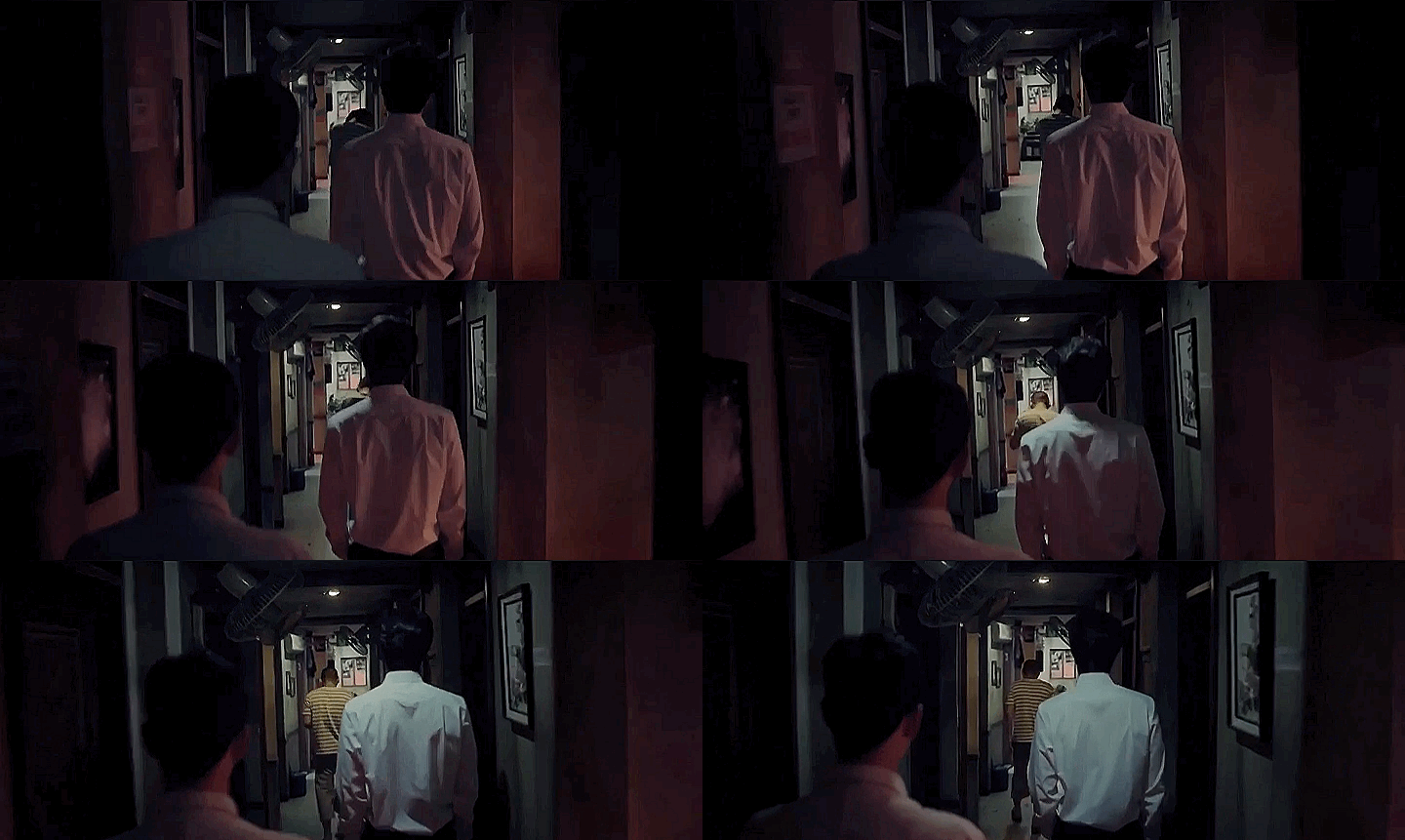
Based on a popular webtoon of the same name, Strangers From Hell documents a man named Jung Woo’s life altering residency in a small, run-down complex penned the Eden Residence. Owned by a cryptic old woman, Eden Residence homes not only Jung Woo, but also a porn addict, a gangster, twins who are never up to any good, a young musician, a man who is seemingly perfect yet scary, and a dentist. All of these people hold dangerous secrets and Jung Woo becomes more embroiled in the fires of their sins as each day passes in this horror-laden residence located in the heart of Seoul.

If you follow me on any social media, you may know that Strangers From Hell changed me as a person and has a death grip on my heart. Never before has a drama wracked my brain as tirelessly as Strangers From Hell. Never before has a drama dug its way into the depths of my mind and found a home in all the empty cracks and crevices as Strangers From Hell. Though not for the faint of heart, Strangers From Hell is for those who want to work their brains; feel disgust, awe, and terror within moments of each other; explore the twistings of the human mind; and witness societal critique in a way normally transcendent of drama land.
This societal critique starts with the shattering of the positive correlation between normalcy and the metamorphosis through the character of Jung Woo, a seemingly normal man who descends into insanity. Though society hopes for transformation to end with a return to normalcy, Strangers From Hell highlights how transformations are actually triggered by an inability to adhere to societal norms and consequently, are utilized to strengthen those in power.
Another work that relays this same message and is heavily featured in Strangers From Hell itself is Franz Kafka’s Metamorphosis, a novella about a man transformed into a giant bug overnight who ultimately perishes due to his inability to re-assimilate into normalcy. The parallels between the characters of Jung Woo, Ji Eun, and Moon Jo from Strangers From Hell and Gregor, Grete, and the Charwoman from Metamorphosis showcase that unstereotypical transformations expose that the power of normalcy is built upon the silencing of the undesirable Other. Ji-Eun, Moon Jo, and Grete, who represent normalcy, derive power from mentally and physically dominating over Jung Woo and Gregor, the two characters experiencing a transformation. The Charwoman, Gregor’s family’s cleaner, and Moon Jo, both personify the suppressed Other, those who society outcast and label abnormal; both characters encourage the atypical metamorphosis as it breaks down the rigid societal structures that deny them power.
However, as seen above, Moon Jo successfully traverses between the established realms of normal and abnormal and in doing so, he too breaks those realms down. The difference between normal and abnormal is not absolute— it is a fabrication weaponized by those in power to secure their placement at the top of society. Both Strangers From Hell and Metamorphosis tear apart this fabricated societal barrier by taking the transformation stereotype and using it to show that normalcy is not the positive end game, but the catalyst of one’s metamorphosis into abnormality.
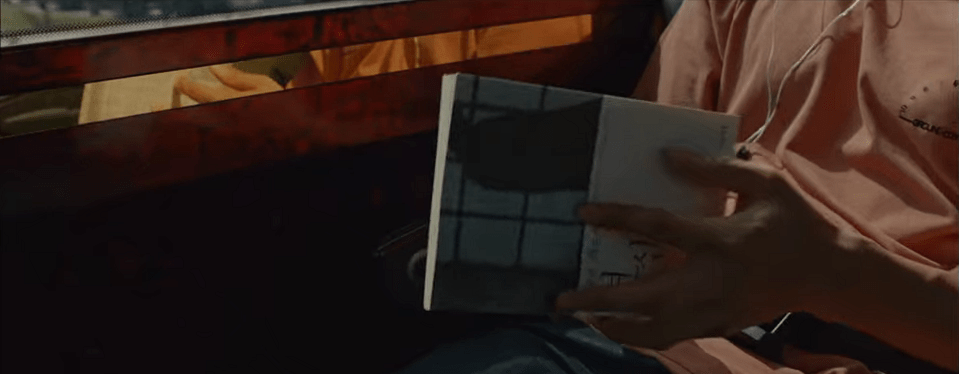
While one’s transformative end game is not always a butterfly, it is sometimes a beetle— a giant one at that. Franz Kafka’s Metamorphosis features a man named Gregor who is turned into a giant beetle overnight with no explanation. Gregor slowly loses touch with his humanity as he passes more time alone in not only his bedroom, but his thoughts. Gregor turned from man to beast physically and mentally and this transformation is seen in Strangers From Hell as well. Audiences can even spot Jung Woo reading Metamorphosis as his bus pulls into the Seoul station.
Jung Woo, a country boy moved to the big city, starts a new job in hopes of raising enough money to support himself, his girlfriend, and his family. In financial desperation, Jung Woo chooses to call Eden Residence home. At a bargain too good to ignore, Jung Woo resigns himself to his cramped, dirty quarters, signaling the beginning of his transformation. Instead of his interactions with his neighbors kick-starting Jung Woo’s metamorphosis, his desire to transform from this undesirable living situation to, one day, living in a normal, standard home is the true catalyst; in the beginning, Jung Woo’s inability to adhere to fiscal norms places him on the bottom rung of society.
Though at the bottom, in a space not much bigger than he is, Jung Woo’s room serves as his escape from his neighbors and the weird events around him.
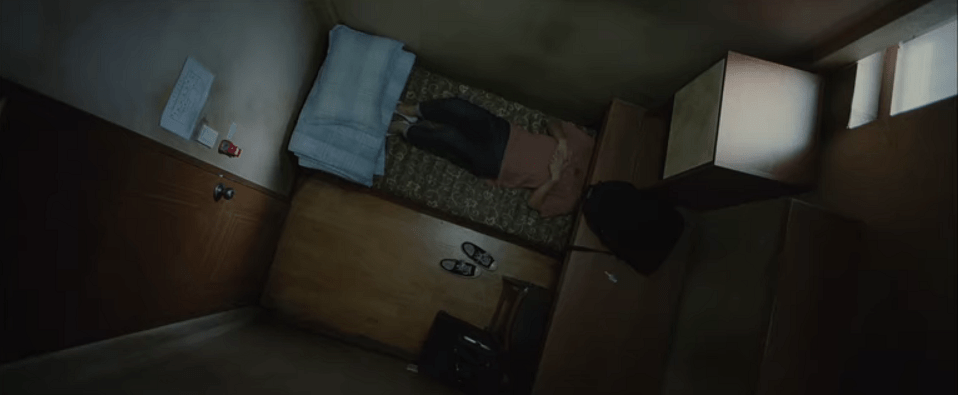
Just as Jung Woo finds solace in his subpar room, Gregor too finds his quarters to be comforting within the pages of Metamorphosis. Though growing smaller and more cramped as his body grows bigger, Gregor admits that he holds “sole dominion over the empty walls” (Kafka 75). The word “dominion” is often used in reference to holding power over something such as, for example, the kingdom being the king’s domain and the earth being God’s domain. The words “empty” and “sole” exemplify the loneliness one encounters within this room, yet in Metamorphosis, this empty room that is devoid of all life except his own is Gregor’s domain; he feels that he holds the utmost power when in this room.
In comparison to Gregor, Jung Woo too shows that his room is his domain. For example, though originally terrified that someone was entering his room without permission, Jung Woo employs a trick with a dust ball sitting in his laptop that allows him to feel victorious like a god within the empty walls of his room.

With a smirk on his face, we watch Jung Woo grow more comfortable every time he opens his laptop and sees the dust ball has not moved and that, consequently, he still holds sole dominion over his living quarters. However, there is a tiny hole in Jung Woo’s theory—no, seriously, there is a tiny hole in his wall. This hole serves as an undetected entrance into Jung Woo’s domain and introduces a rival to his power that is dressed in a dentist’s gown and armed with a pair of bloody pliers.
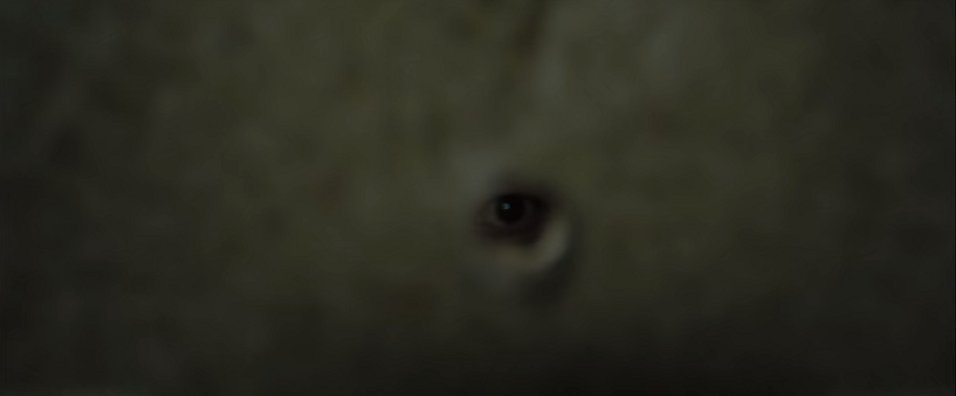
While surrounded by the unexplainable, Jung Woo believes himself to hold dominion over his bedroom, yet even in this tiny space, Jung Woo faces two giant power rivals— Moon Jo, a murderous dentist, and Ji-eun, Jung Woo’s girlfriend. Just as Jung Woo faces a rival to his domain, Gregor too battles an unexpected rival in his sister, Grete. Within Strangers from Hell, both Moon Jo and Ji Eun are reminiscent of Grete, a woman determined to see her buggy brother through to the end. All three characters share an off-putting obsession with their counterpart’s transformation and are, ultimately, the victors in the aforementioned power struggle.
For example, although he felt he had “sole dominion” over this room, Gregor continues on to admit that his room was a “place where no one other than Grete would ever dare to set foot” (Kafka 75). The word choice of “dare” insinuates that Grete is a threat to Gregor. To dare to do something means one is challenging a power no one else could; Grete is challenging the rulerdom of Gregor’s domain when she joins him and coincidentally, eliminates its emptiness. In Strangers From Hell, Moon Jo dares the same challenge by peeping on Jung Woo from a hole in the wall; the hole may be tiny, but it’s effect of stripping Jung Woo from his power is immense.
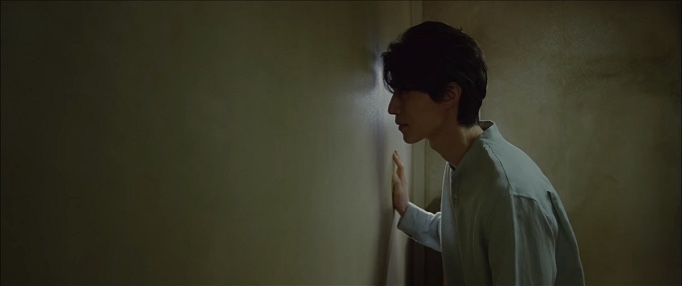
Along with Moon Jo, Ji-eun threatens Jung Woo’s power mentally as she is constantly at odds with him over the assumed criminals living within Eden Residence. Ji-eun looks down upon Jung Woo and concludes that his remarks are baseless and nonsensical; he is acting abnormally, so his statements are invalid. Jung Woo’s mental stability wavers with every jab from Ji-eun.
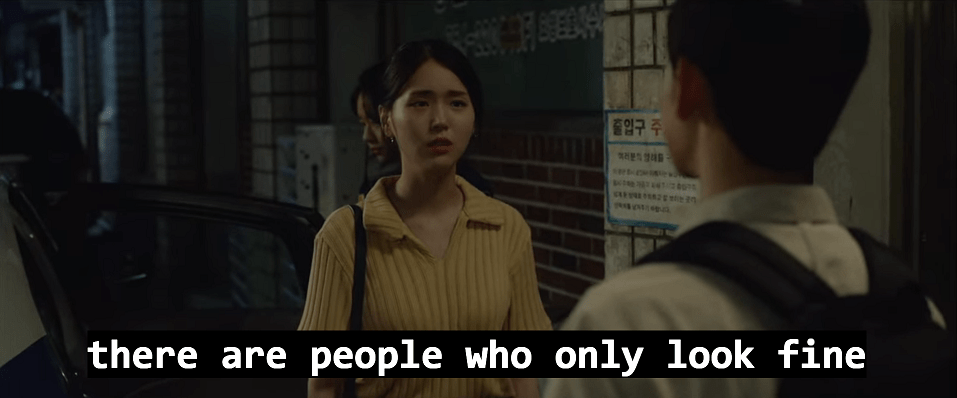
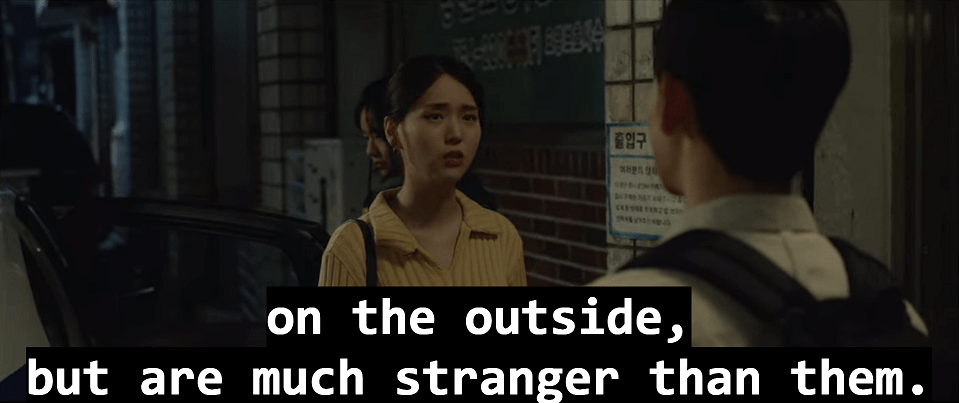
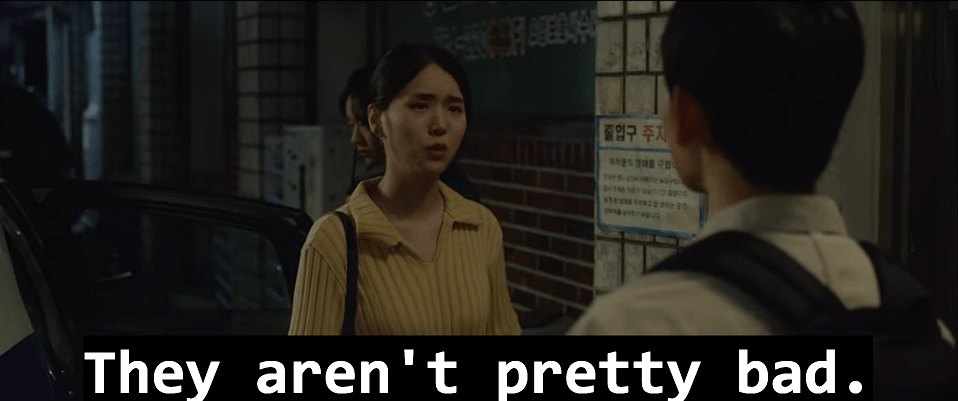
Like Grete, however, Ji-eun feels a sense of responsibility for her boyfriend. THis responsibility is not out of love per say but out of a hunger for control and power. Despite her distaste with his behavior, Ji-eun shields friends from Jung Woo. This behavior is very reminiscent of Grete becoming the sole person to interact with Gregor within his family. Though she is uncomfortable with him, Grete “was on her guard to make sure the task of tidying Gregor’s room was reserved for her” (Kafka 75). If his room is where Gregor derives his power, Grete’s stripped that power by cleaning and rearranging the room. The word “guard” incites images of battle and violence as these two, Gregor and Grete, are at war for power.
Reflecting this imagery, Ji-eun attempts to find Jung Woo at Eden Residence, which results in Jung Woo calling the cops and nearly destroying the place trying to find her. When found, she is sitting with the residents in pleasant conversation while playing Jenga.
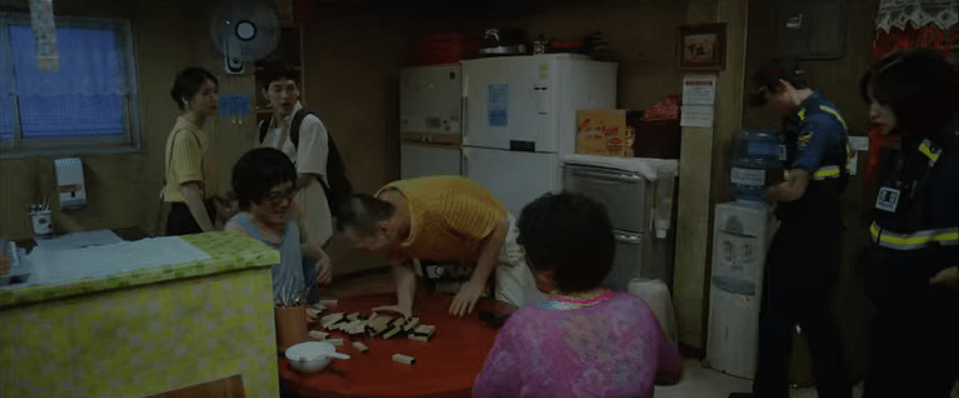
For Jung Woo, one who has found solace in knowing he is the only safe and sane being within the building, this sight strips him of his power. Ji-eun takes the dominion as she metaphorically tidies his room and takes out his dirty, baseless laundry.
Another example of this room imagery occurs after Jung Woo and Ji-eun escape Eden Residence and go to a hotel room. Ji-eun tells no one where they are and is the only other person in the room with Jung Woo as if the responsibility of caring for him is reserved for her as it is for Grete. Ji-eun even watches over Jung Woo like a mother would a child— someone who seemingly cannot protect themselves. As Jung Woo lies cradled asleep, Ji-eun physically towers over and looks down on him.

Both Ji-eun and Grete take advantage of the transformation trope and use it to satisfy their hunger for power. Both witness a loved one undergoing a major transformation and though it shallowly appears that they are lovingly protecting the other, Ji-eun and Grete expose how easily one can utilize a transformation as a means to procure power through labeling another as abnormal and, therefore, beneath them.
Society promotes transformation as a way for the transformed to gain power and better oneself, but Strangers From Hell eradicates this facade and in its place leaves the idea that real transformations often conclude in the transformed suffering at the hands of society. Society exploits the fragility of the transformation process in order to strengthen its dominion. Ji-eun is not the only character to embody Grete, however, as a dentist attempts to infiltrate Jung Woo’s dominion as well.
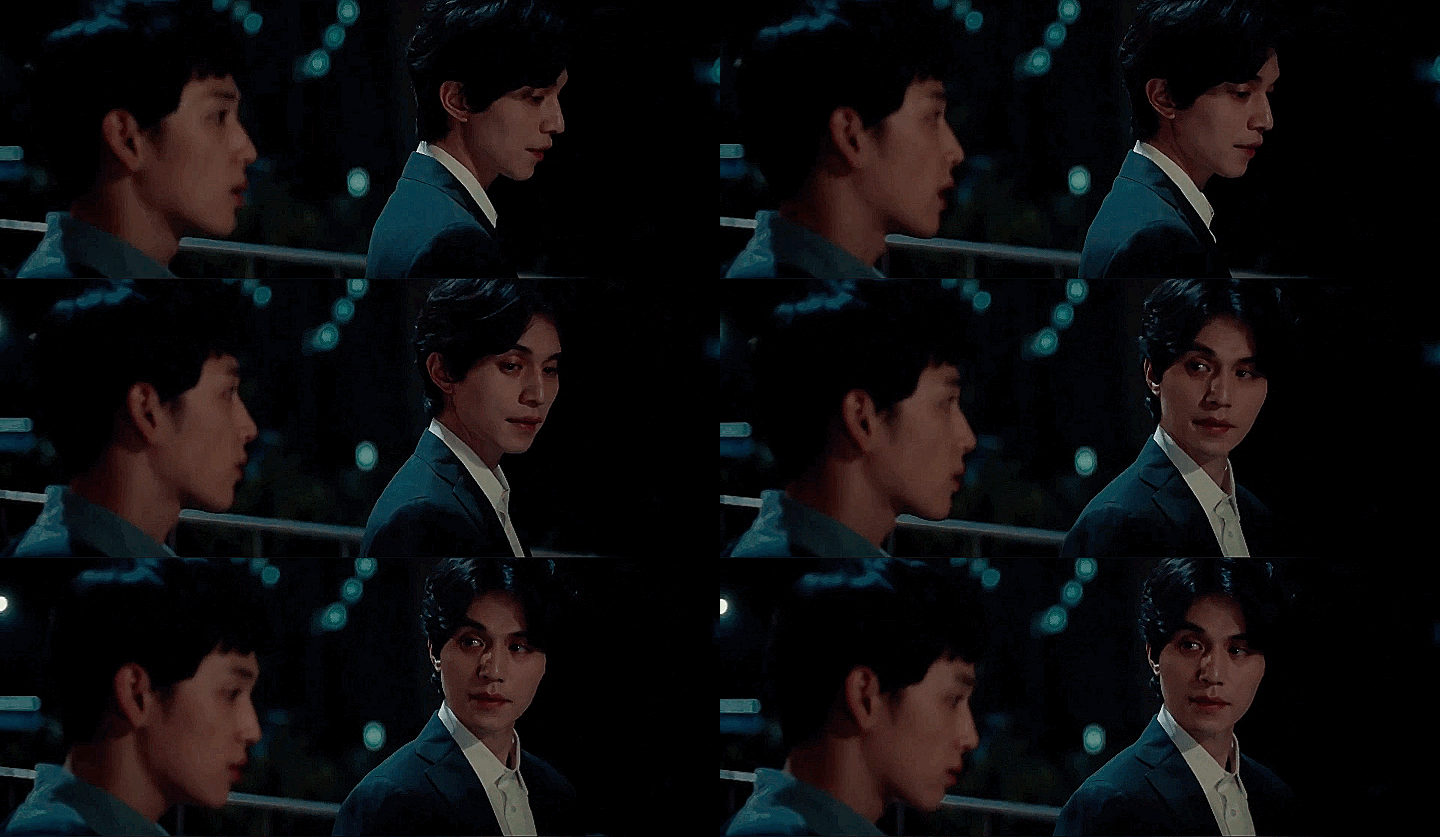
Now, if one is a dentist within a capitalistic society, that is considered to be an elite occupation, which results in more societal power from the get go. Mix that occupation with a serial killer tendency and one finds a craving for power that is insatiable. This combination is also a prime example of passing in terms of normal versus abnormal. Moon Jo performs the role of dentist, a normal job, in order to secure the societal acceptance and power needed to protect his true abnormal serial killing nature— and it works quite well.
Moon Jo, who as aforementioned is super power hungry, takes a liking to Jung Woo from the moment he moves in as he recognizes his transformative potential. The two of them working together could secure even more power for the outcast. From offering him beer dates on the roof to blatantly admitting his liking of him, Moon Jo does not hide his attraction to Jung Woo; however, this attraction is not necessarily to Jung Woo himself (though it is enticing) but to the powerful psychotic potential he holds.
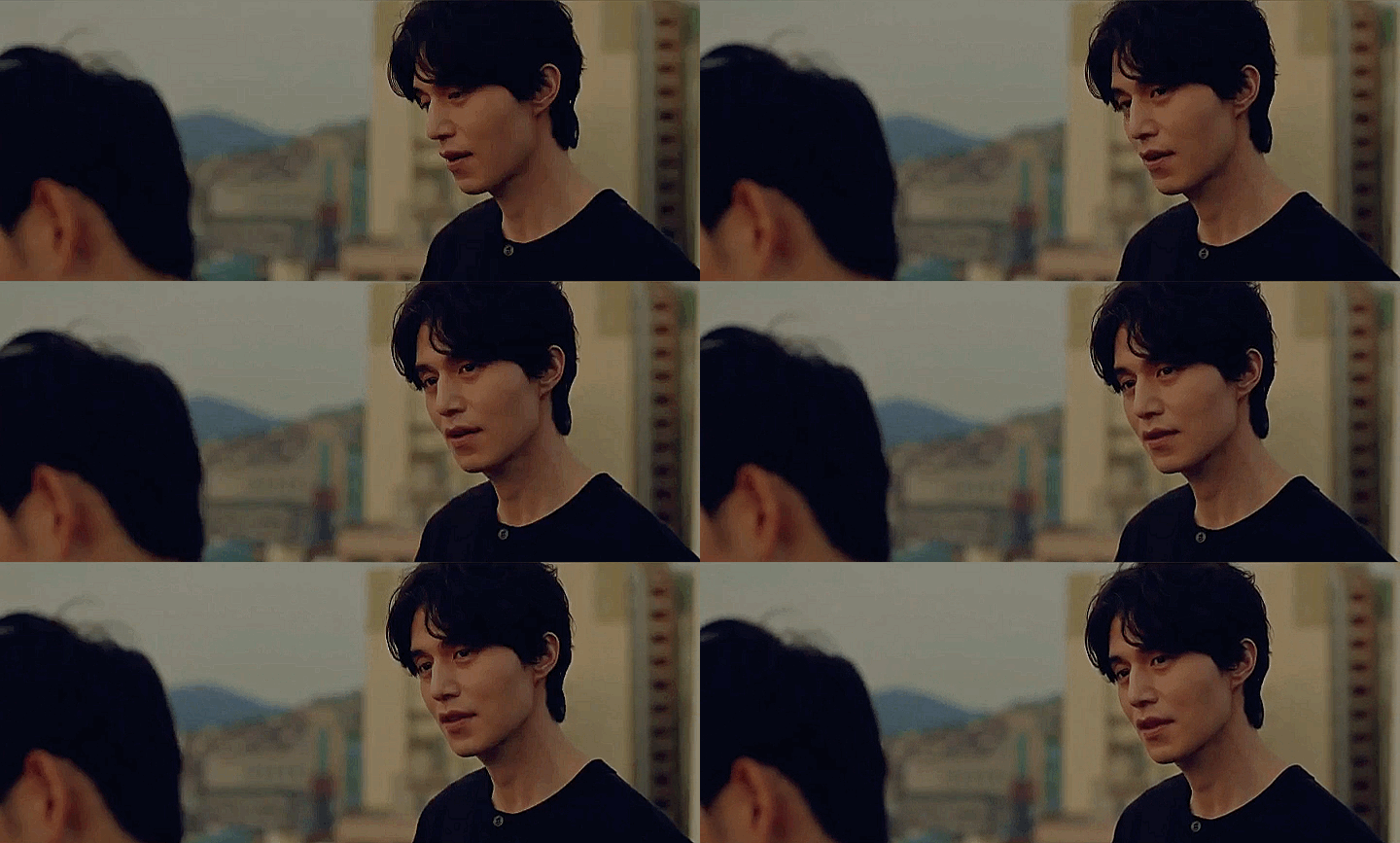
Just as Grete does to Gregor, Moon Jo attempts to keep Jung Woo under his thumb by isolating him from all other people in hopes of strengthening himself and extending his own domain. For instance, Moon Jo murders a fellow resident of Eden for daring to attempt to physically harm Jung Woo and explains that no one is to mess with “his art.”
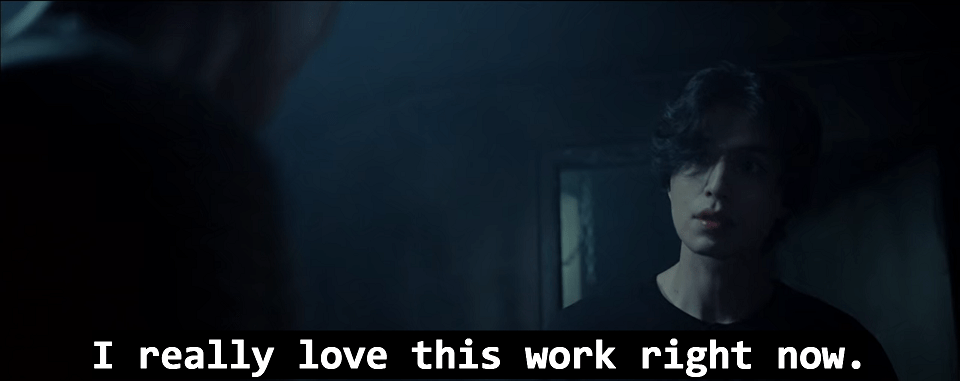
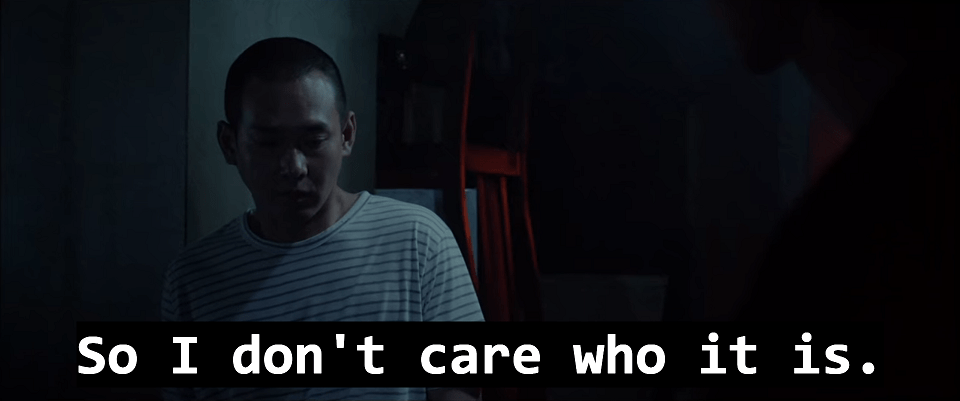
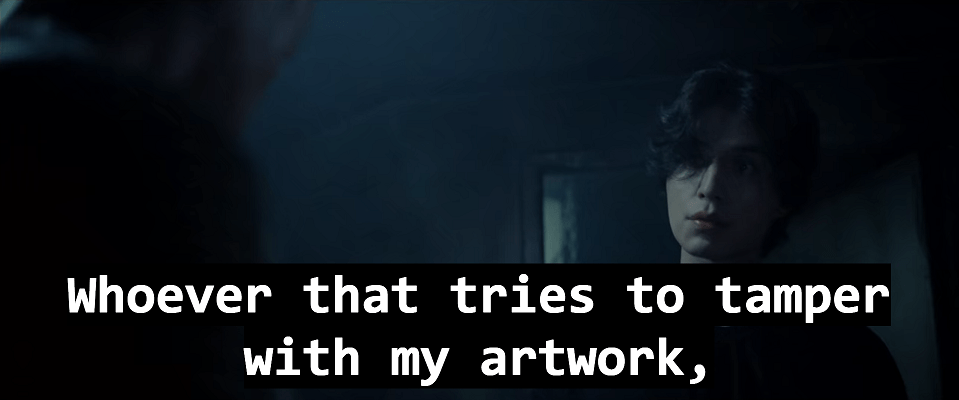
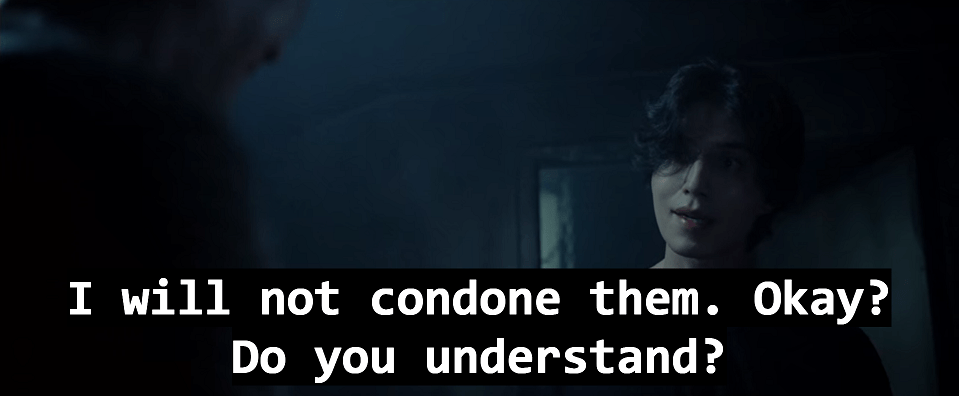
Moon Jo gains control and power from this murder as he instills fear in others and warns them of trying to overthrow his domain. However, unlike Ji-eun, this protective obsession stems from a desire to escalate and hyperbolize Jung Woo’s transformation; Moon Jo wants Jung Woo to lose his perceived reality and join him in what societal normalcy tries to hide underneath it’s gilded surface. This desire to guide the transformation process is seen in Grete as well.
For instance, when explaining his family’s reactions to his new form, Gregor explains that his sister was “presenting herself as the holder of particular expertise when discussing Gregor with her parents” (Kafka 75). The word “expertise” here holds scholarly connotations and evokes images of a researcher studying a specimen. Grete sees Gregor as something to study or boast about knowing the most about, which implies that she gains a sense of power from this knowledge. Grete is proud of how she alone holds the most knowledge of her brother much like Moon Jo boasts to others about how he knows Jung Woo best. For example, Moon Jo murders Jung Woo’s boss and friend because he undermined Moon Jo’s relationship with Jung Woo.
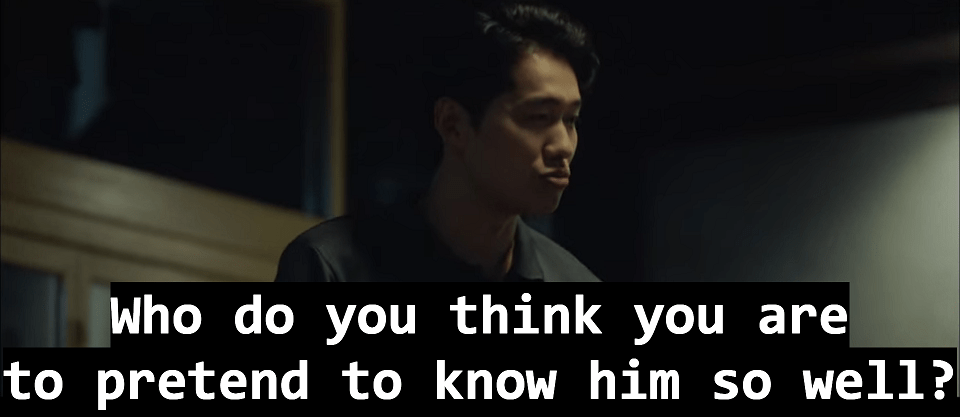
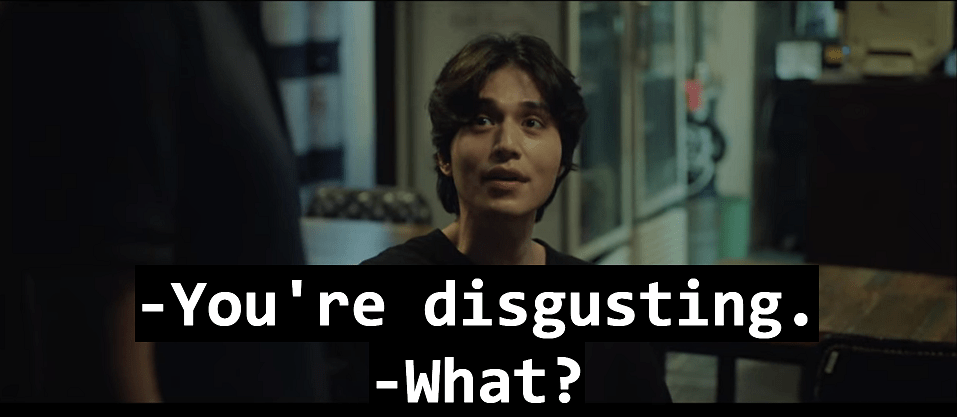
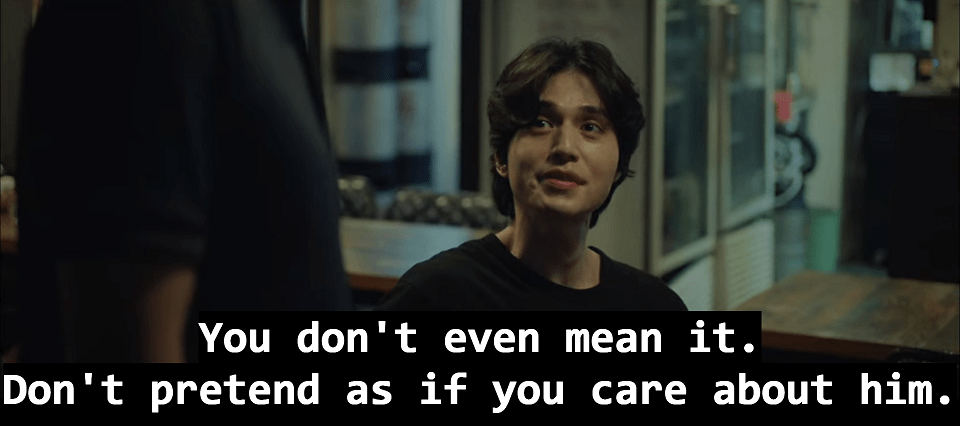
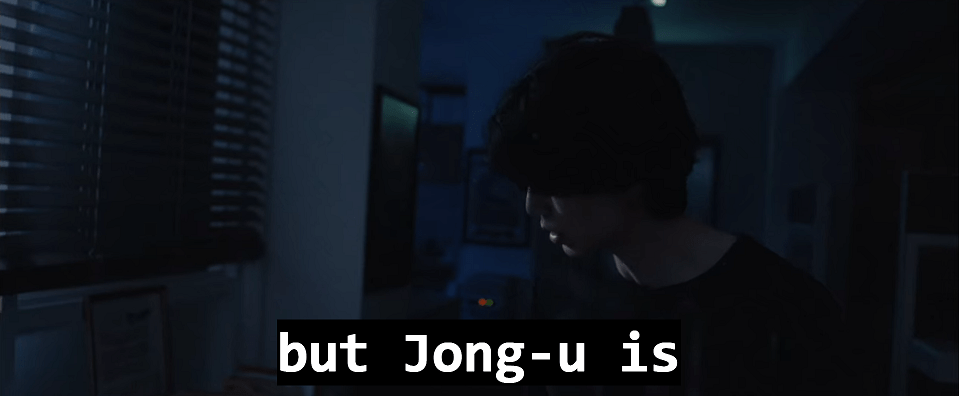
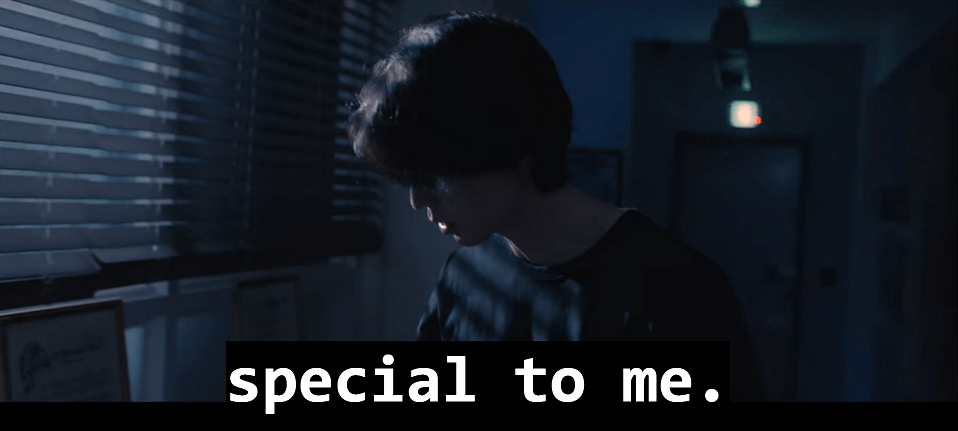
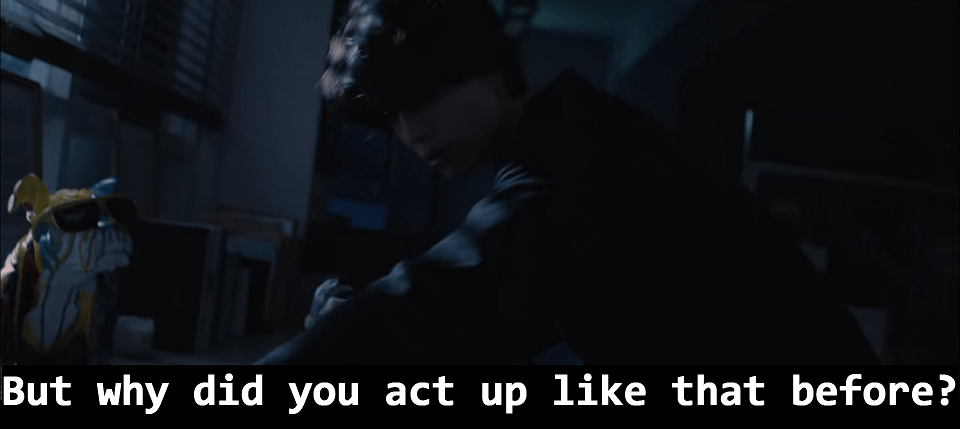
Jung Woo’s boss was a threat to Moon Jo’s expertise that needed to be removed. One could argue that Moon Jo not only kills Jung Woo’s boss because he sees him as a love rival, but also he is attempting to regain power from the capitalistic, abusive claws of society that his boss represents and ultimately, ostracized him in the first place.
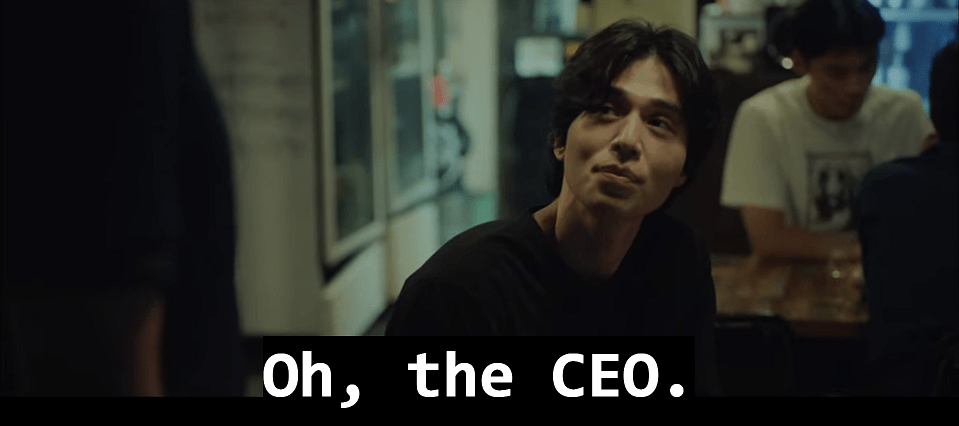
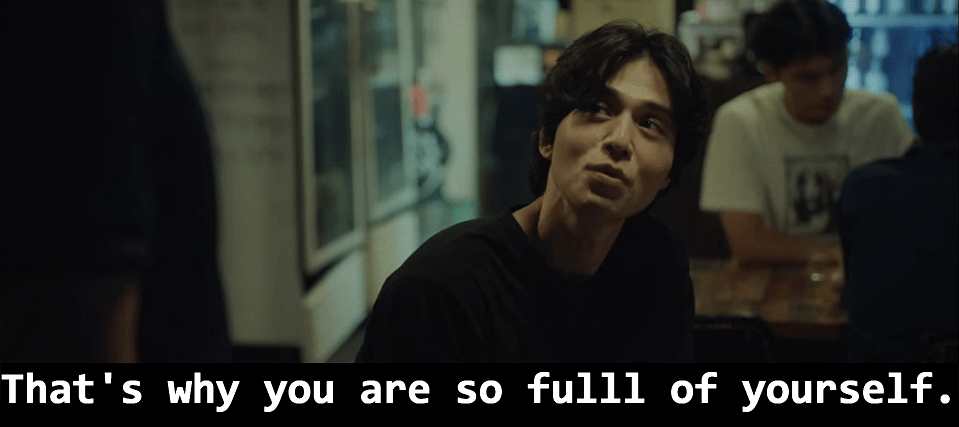
This explains why he kidnaps Ji-eun in the finale as well; Moon Jo recognizes her normalcy and knows she is taking Jung Woo’s power. Removing Ji-eun is Moon Jo’s final attempt at breaking down all barriers presented by societal norms from Jung Woo’s mind. Moon Jo ensures that no outsiders, no true normies, will alter Jung Woo’s transformation because Moon Jo’s power relies upon it; this transformation, to him, is good. This is proven when Moon Jo gets hold of Jung Woo’s copy of Metamorphosis and as he is taunting his latest victim, he recites the following lines and wonders if Jung Woo feels the same way as Gregor does:
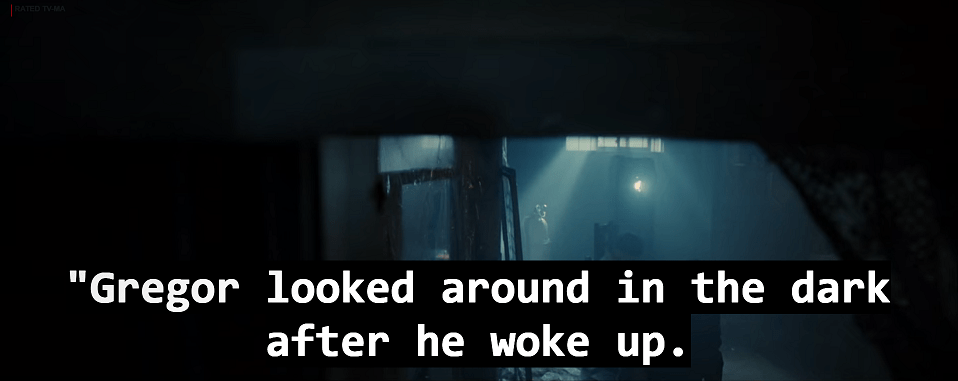
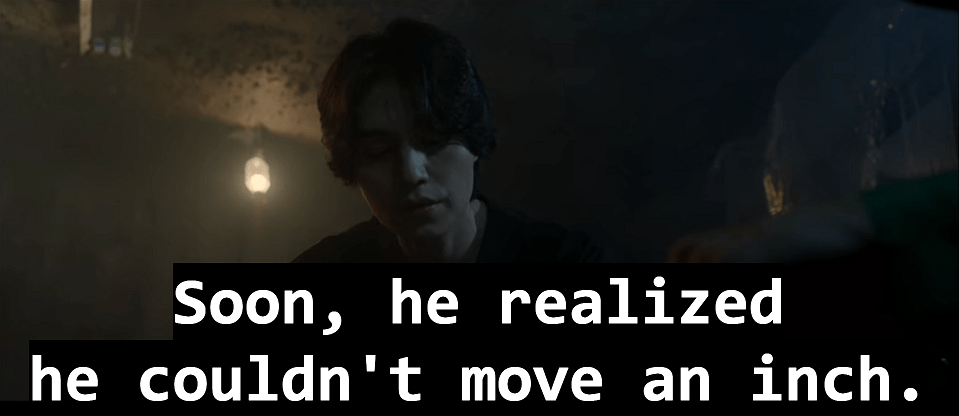
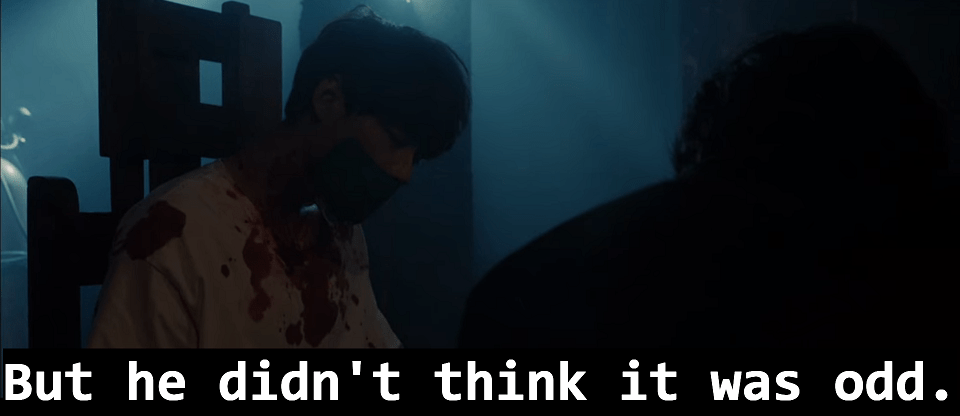
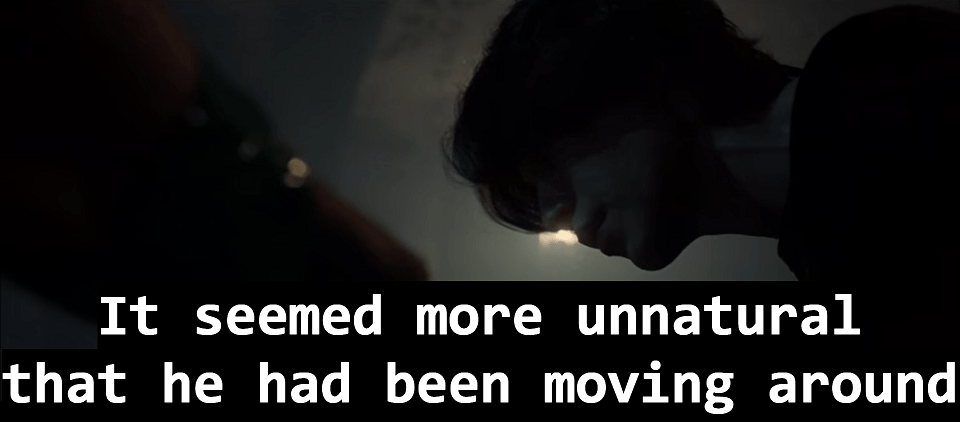
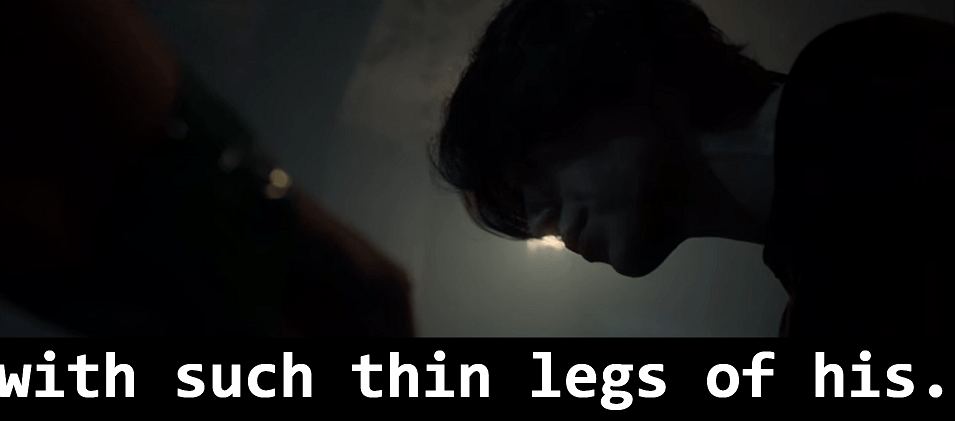
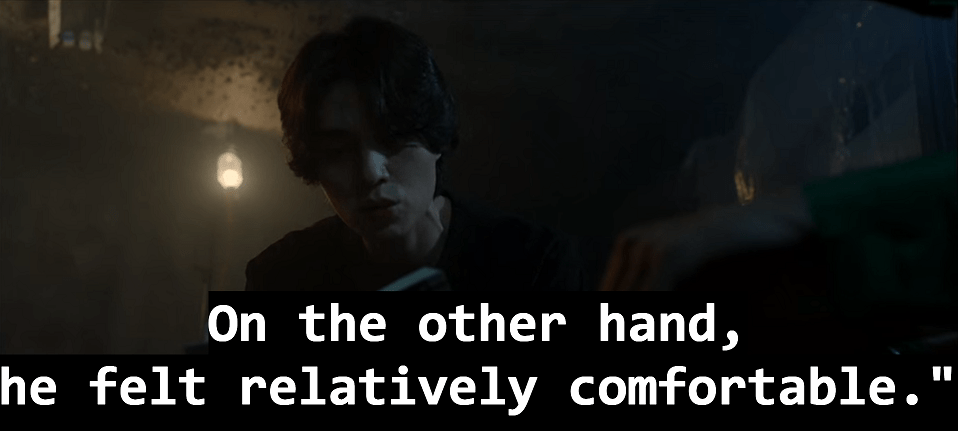
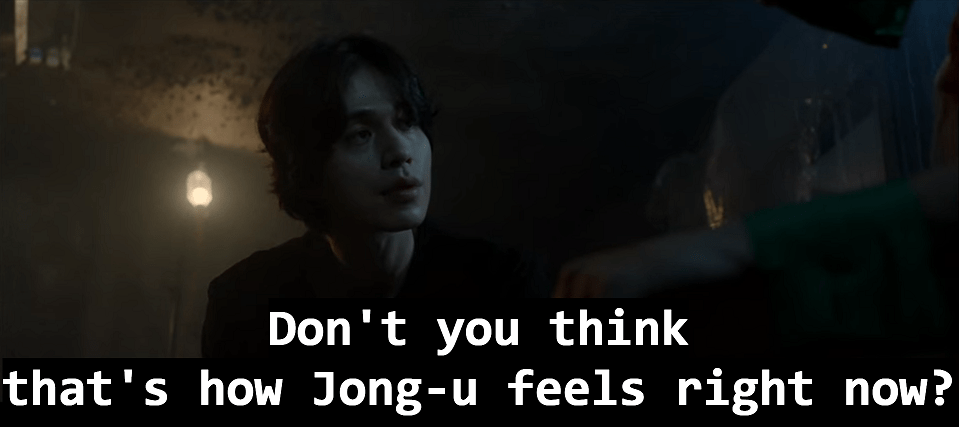

Moon Jo desires for Jung Woo to embrace the change and succumb to his temptations just as Gregor did. How Jung Woo behaved previously, abiding by societal norms, was uncomfortable and unnatural as opposed to his new form in Moon Jo’s eyes. Moon Jo thrives with Jung Woo’s descent into abnormalcy as it allows for society’s glimmering gilding to dissipate and bring light to his kind— the others that beautiful butterflies and little mermaids try so hard to cover up.
Moon Jo embodies the abnormal and, arguably, the realest, most natural parts of society. Negative transformations remind audiences that perceived normalcy is only a fraction of real life and that people like Moon Jo exist in all corners of the world. Moon Jo even announces this sentiment to audiences in the show’s finale; as he is about to kill one of the twins on the rooftop, Moon Jo states that:
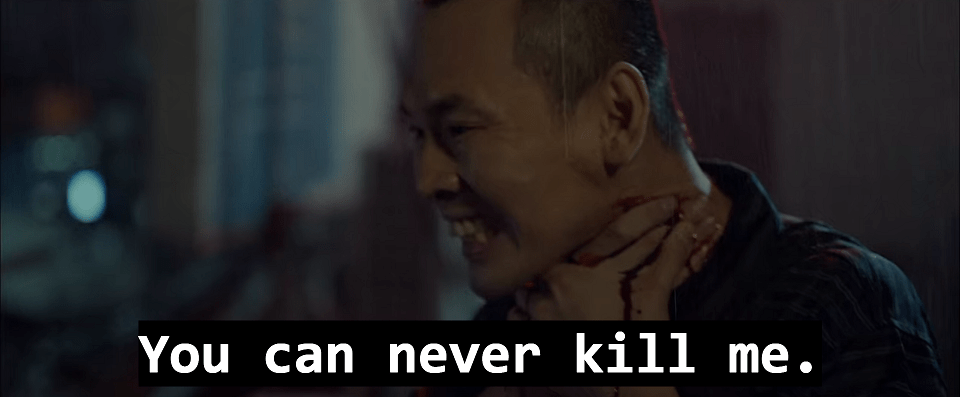
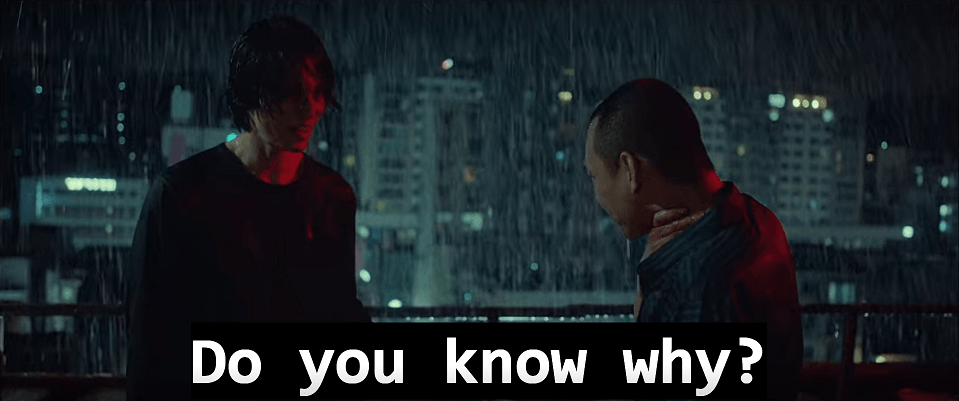
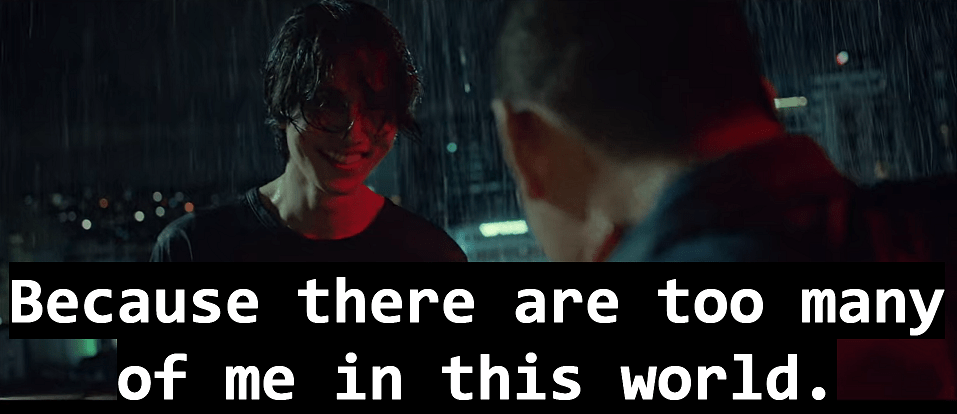
Moon Jo knows that he is only one of many that are othered due to societal normalcy like colonies of bugs that can never be fully extinguished and will always outnumber the squashers. He is simply one gear in society’s well-oiled comparative machine, but what makes him special is that he knows that society needs those like him to exploit for power—he is the holder of particular expertise and he wants Jung Woo to be special too.
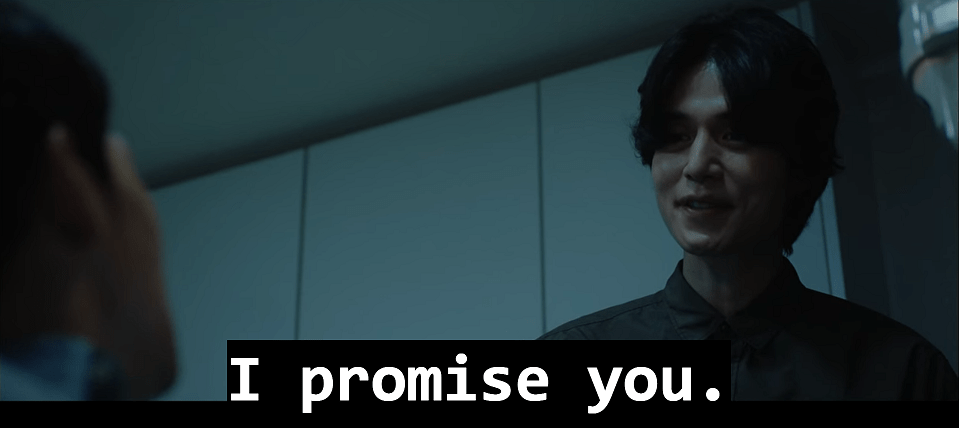
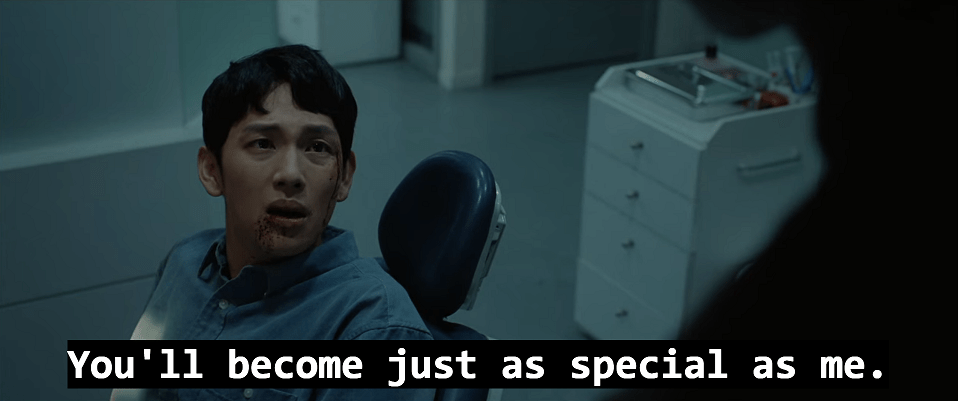
To Moon Jo, Jung Woo’s transformation is not negative at all, but a refusal of society’s facades. This belief is where Moon Jo separates from Grete, and becomes reminiscent of yet another character within Kafka’s novel— the charwoman.
To some, a return to normalcy might be sunshine and blue skies, but to Seo Moon Jo, normalcy is teeth bracelets for your crush and human flesh dinners. Normalcy is subjective and in Metamorphosis, the charwoman shows how fluid normalcy is in her interactions with Gregor and these actions are mirrored in how Moon Jo reacts to Jung Woo’s transformation.
The charwoman is Gregor’s family’s odd house cleaner and she knows about the bug in the room. To his astonishment, Gregor says that she interacts with him on a regular basis and feels “no particular repugnance toward Gregor” (Kafka 93). The charwoman acts against societal expectations and is not repulsed by Gregor’s abnormal form- instead, she does not show much of a reaction. Since first seeing Gregor, every day when she cleans, the charwoman “never fail[s] to open the door a crack for a moment every morning and evening to look in on him” (Kafka 93-4). The phrase “never failed” means that the charwoman always makes an effort to look at Gregor– she wants to witness this perceived abnormality instead of hiding it like Gregor’s family.
Just as the charwoman looks upon Gregor everyday, Moon Jo peeks at Jung Woo from the hole in the wall, from dark alleyways, across roads, from Eden’s rooftop, and more to inspect his transformation in awe.
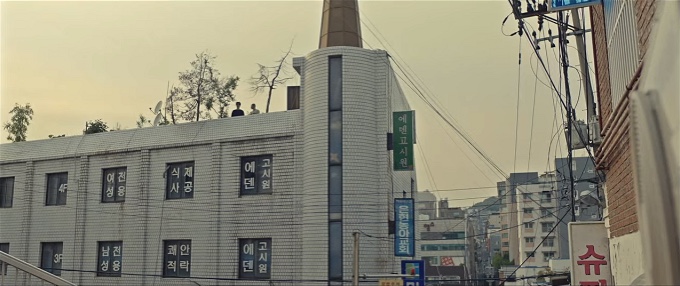
Both the charwoman and Moon Jo seek knowledge of the transformed and both also feel as if they have power over them as they descend into their world of the outcast. For example, both Moon Jo and the charwoman threaten physical violence to the transformed when they revolt against them.
Gregor, in his self pity, becomes fed up with the charwoman and her “quips” and in an attempt to attack her, the charwoman “instead of being frightened…just picked up a chair that was standing beside the door and held it high in the air…Gregor turned around again, and she placed the chair calmly back in its corner.” (Kafka 94-5). In this moment, Gregor surrenders his power to the charwoman. Not only is the charwoman unafraid of his abnormality, she can extinguish it; by potentially bringing the chair down on him, the charwoman can literally bring her power down upon Gregor. The charwoman wins.
While the charwoman never actually harms Gregor, Moon Jo and Jung Woo spend the majority of the final episode physically fighting, and yes, there is a chair involved here too.
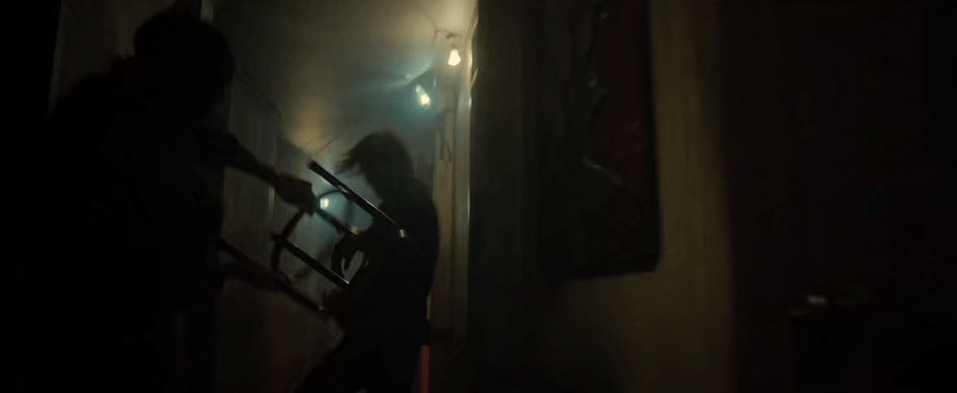
Moon Jo welcomes the fighting as he is certain that he will win and this glee stems from him knowing that Jung Woo has finalized his transformation; in challenging Moon Jo, Jung Woo has abandoned his former self, the self that subsided its violence, and embraced the abnormal. The moment Jung Woo reentered Eden Residence, Moon Jo won dominion and he even says he feels like a god.
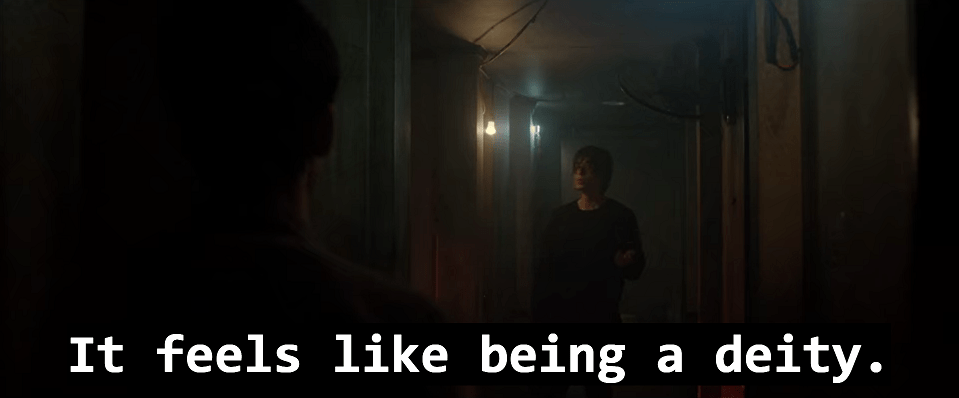
Both Moon Jo and the charwoman are the ones who benefit from the transformation as it further sets flame to the societal barriers that condemned them. This triumph is why despite popular belief, I believe Moon Jo did not die in the end. The perceived bad guys always pay in the end and stereotypical societal justice always prevails in happy transformation stories— but this is not one of those stories. Just as the charwoman simply walks out after cleaning up Gregor’s corpse and Grete romantically moves to the countryside at the end of Metamorphosis, Jung Woo watches Moon Jo walk away from Eden Residence as he lays helpless and mentally broken in an ambulance (I have a whole fleshed out theory about this ending detail and what I think really happened, but that is for another blog entry). The bad guys, the abnormal ones, walk away victorious in these tales.
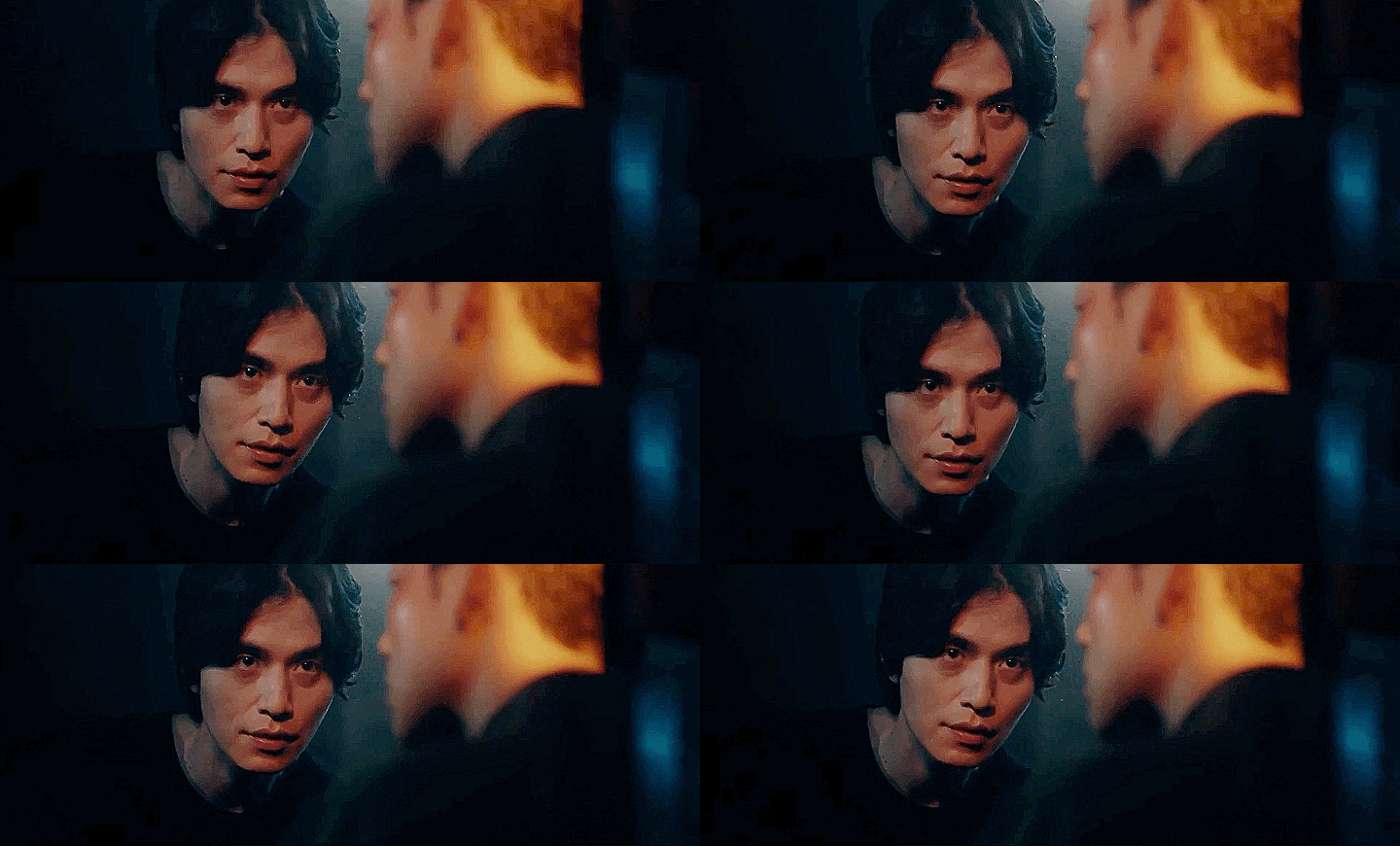
From now on, Jung Woo will live as Moon Jo’s transformed masterpiece beneath society’s gilded surface as he sports a silver bracelet composed of teeth upon his wrist, a symbol of abnormality and the permanent mark of a mentor.
Though the drama ends with Jung Woo’s crazed smile and heinous typing, based on how he was able to collectively hold a conversation in the park with the police officer and she then just left him be, he too will now be able to pass and perform the role of normal in order to protect his abnormal tendencies just as Moon Jo does. Jung Woo’s metamorphosis is complete with his power and ability to pass between the two and break down that barrier.
Accessorizing with a bracelet made of genuine human teeth instead of a tiara is only one of many possible outcomes when witnessing an unstereotypical transformation narrative. The transformations of two perceived pedestrian men into a) a gigantic beetle and b) a psychotic killer queer the common metamorphosis story in hopes of festering disbelief in society’s beautiful swan of normalcy.
Grete and Ji-eun’s hunger for power and control over their counterparts expose that transformations are exploited in order to strengthen those who abide by societal norms. The metamorphoses of both Gregor and Jung Woo bring to light the idea that normalcy and transformation stereotypes are simply tools used to suppress those outcast within society. The desire to be normal and fit the glorified cookie cutter lifestyle sparks toxic transformations that further divide people and cast them out of Eden (yes, pun intended).
Moon-Jo and the charwoman walk away as performative victors after guiding the stories’ transformations as they abolish the divide between normal and abnormal, forcing audiences to acknowledge that those beautiful butterflies might not be as harmless as previously thought— they might just kill you, babe.
Sources:
Kafka, Franz, and David Cronenberg. The Metamorphosis: A New Translation by Susan Bernofsky. First Edition, W. W. Norton & Company, 2014.
Strangers From Hell. Dir. Lee Chang-Hee, Woo Sang Film, Studio N, 2019.
This post belongs to my category titled “Extra Crispy Hot Takes,” in which I take either a show, book, movie or song and analyze its themes and plot while looking through a selected theoretical lens.
 Grow the Roses
One thought on “Caterpillar to Butterfly: Transformation in Strangers From Hell (2019)”