
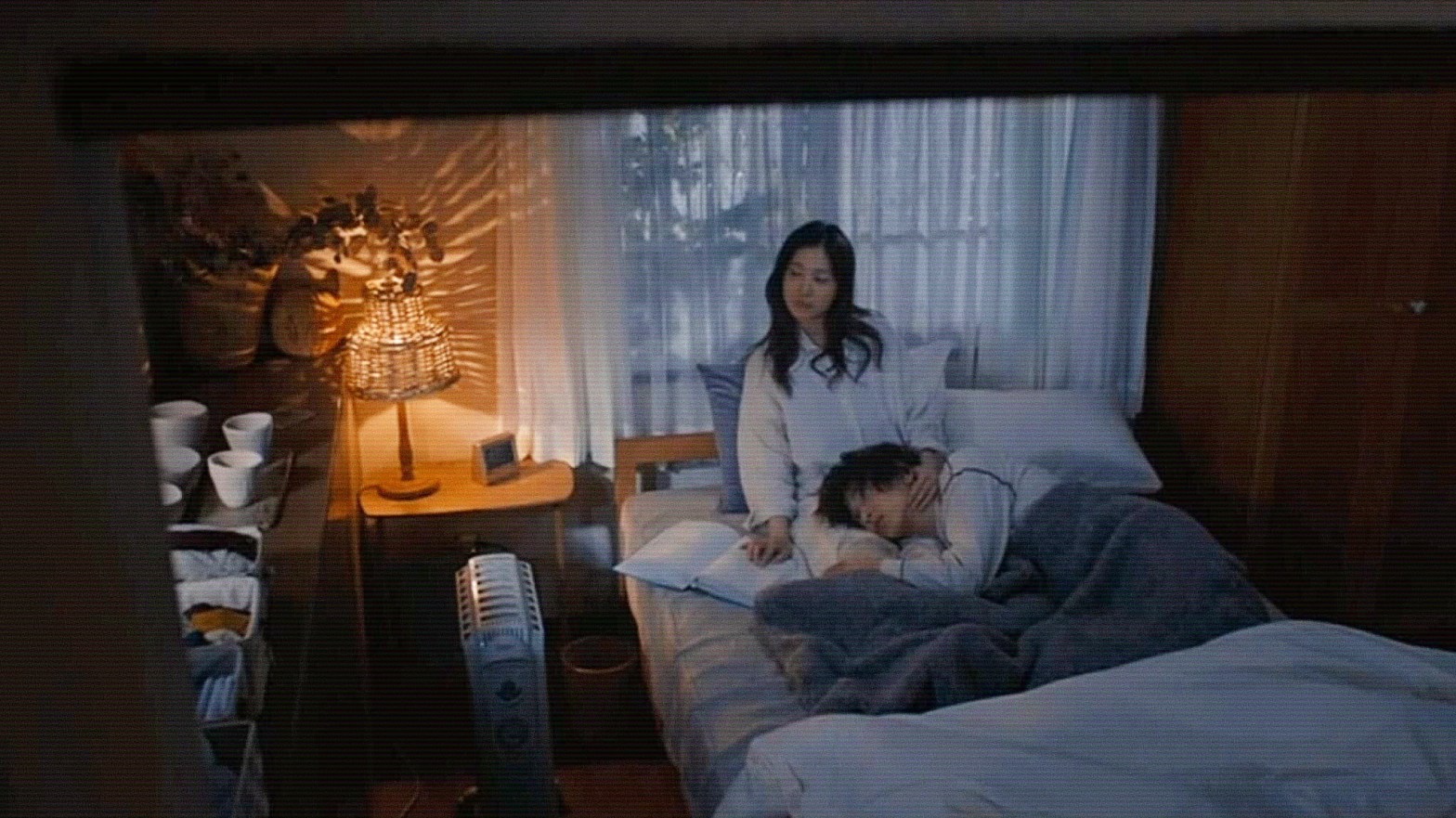
In transcending stereotypical romance tropes, the intimate connection forged between the leads in Your Eyes Tell (2020) leaves viewers longing for the romance of springtime and in tune with the message of what it really means to see the world around you.
——————-
this is not a spoiler-free review.
——————-
Springtime is in full swing in the northern hemisphere and with spring comes romance. These twitterpated feelings that fall down with April showers and morning sunshine are unparalleled this time of year, which means the season for romance movies is upon me— and I am excited to say the least!

My first romance film this spring was none other than Your Eyes Tell, a Japanese retelling of the South Korean film, Always, that explores the nuanced clear sight of self-purpose that we all strive for in life.
The story follows Rui, a former convict and kickboxer who is cleaning up his act, and Akari, a woman who lost her sight due to a tragic car accident. The two meet while Rui is working as a parking attendant at a car garage and they slowly evolve from friends into lovers over the course of the film. As a disclaimer, I have not seen the original South Korean film, Always, so my review is based on a totally fresh introduction to the story.
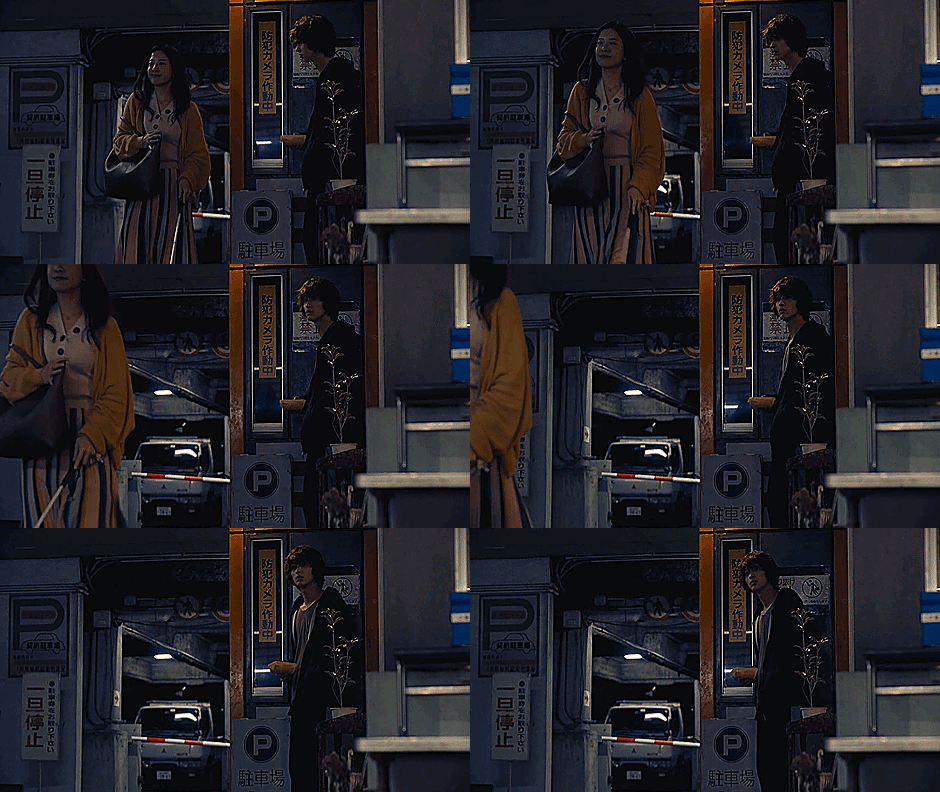
I am a longtime fan of both Ryusei Yokohama and Yuriko Yoshitaka as both are leads in some of my favorite jdramas— Hajikoi and Tokyo Tararareba Girls. So when the news broke that they were going to star opposite each other in a romance movie, I knew I was on board.
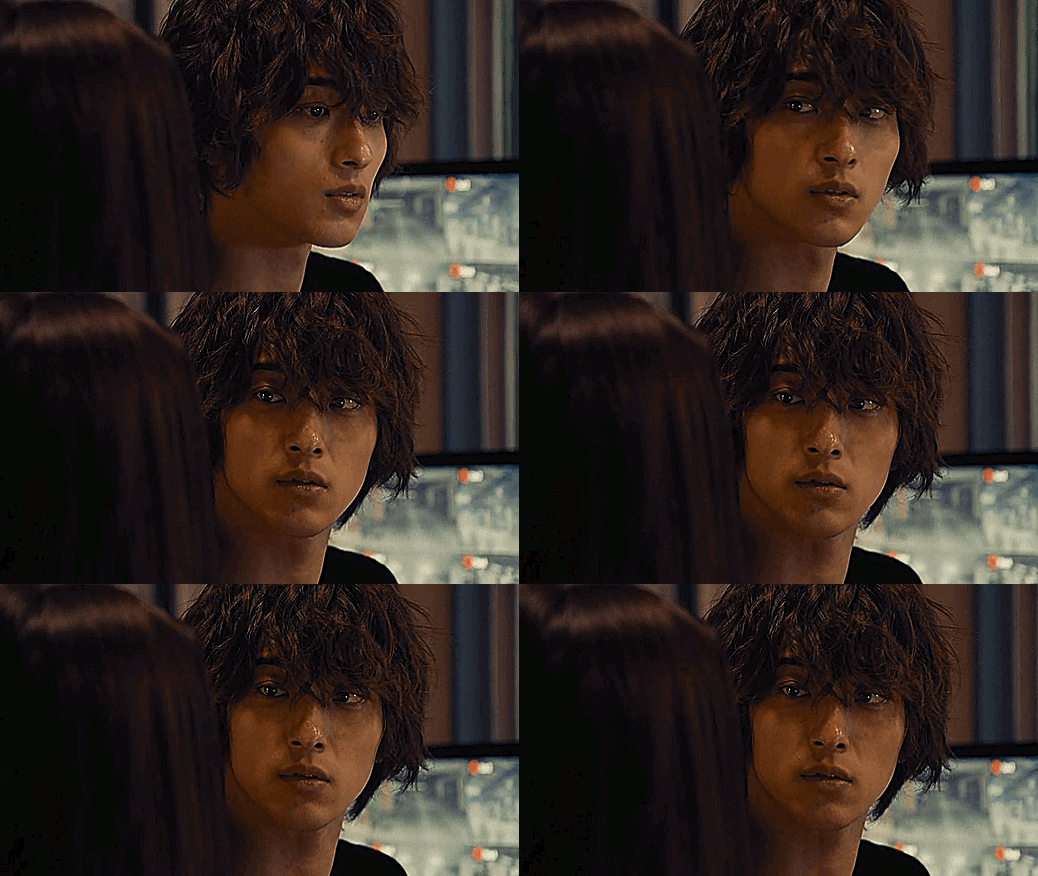
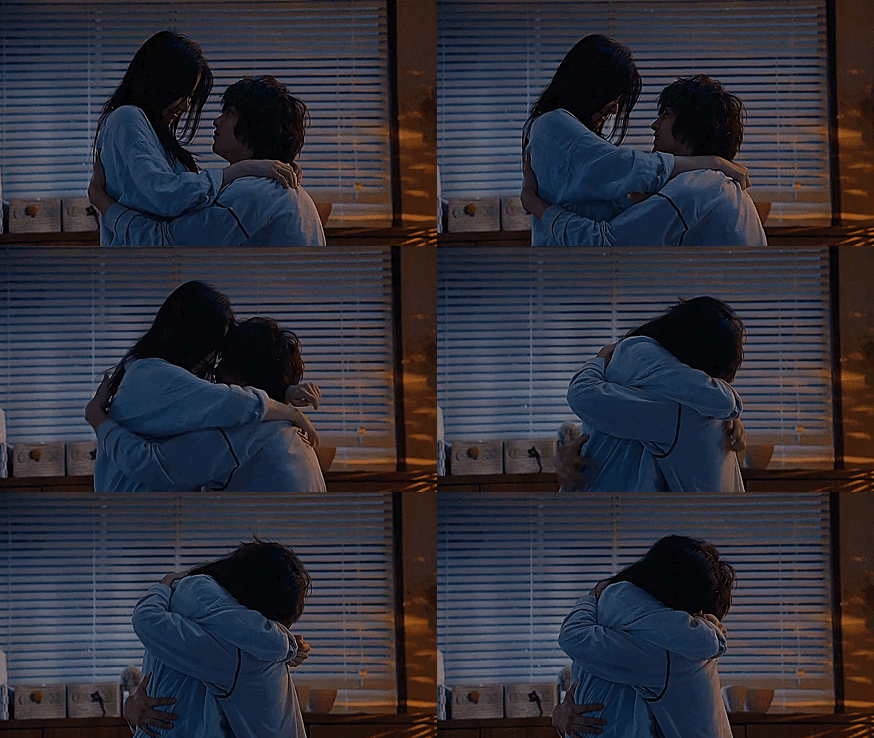
While portraying Rui and Akari, these two actors show an expert strength at tackling romance often missed in other films. Their interactions with each other— a gentle touch to the hand, a caress to the face, a relieved hug— do not appear forced or awkward. These two believably seem enamored with each other’s every move and choice. Ryusei Yokohama has the yearning stare down to a science and every longing moment left my chest full of the feeling too.
Yuriko Yoshitaka does a brilliant job executing the shallow happiness of Akari’s character, someone who never fails to put on a smile because that is all she can do to make it through another day. Both characters long to find a true smile, a true glimmer of happiness, as the cycle of night and day heralds on.
Only once they realize that they can forgive themselves, forgive their pasts, and forgive their believed faults, do Rui and Akari truly embrace and find a home together. They change from harsh, jagged, self-critical, broken beings into people who finally see the smooth preciousness of themselves like a piece of sea glass found on a beach— once understood as undesirable but actually a priceless artifact of change.
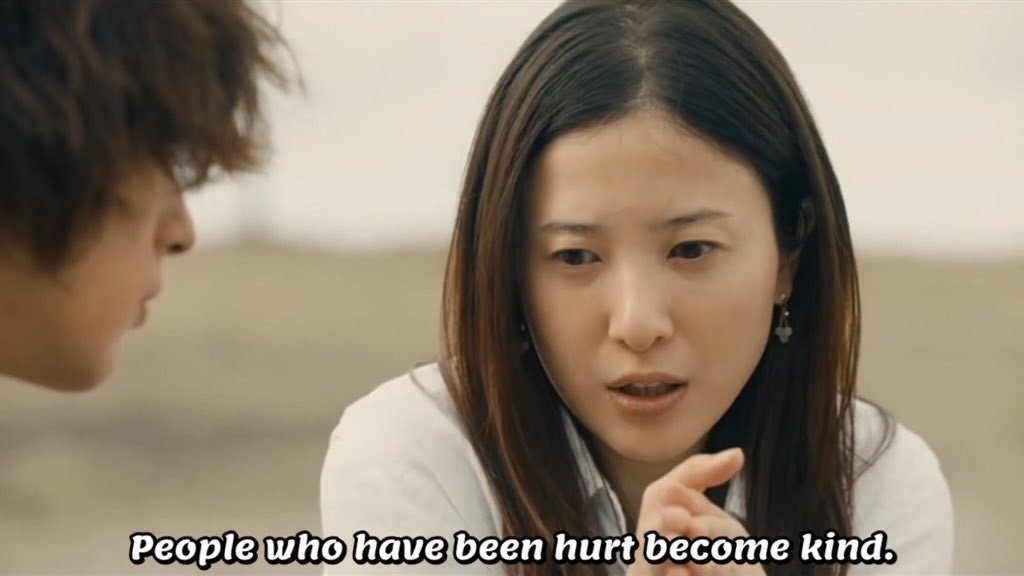

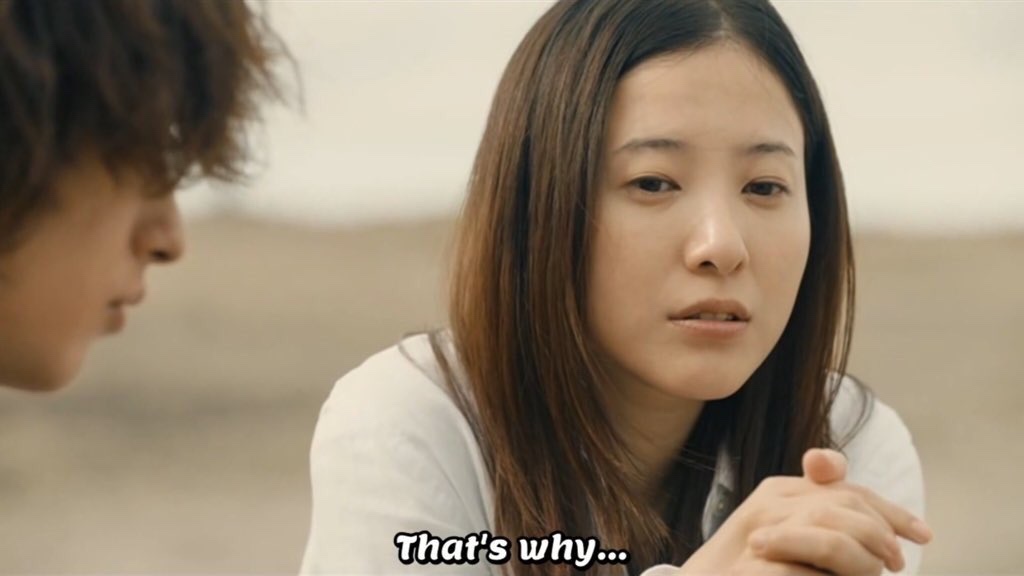
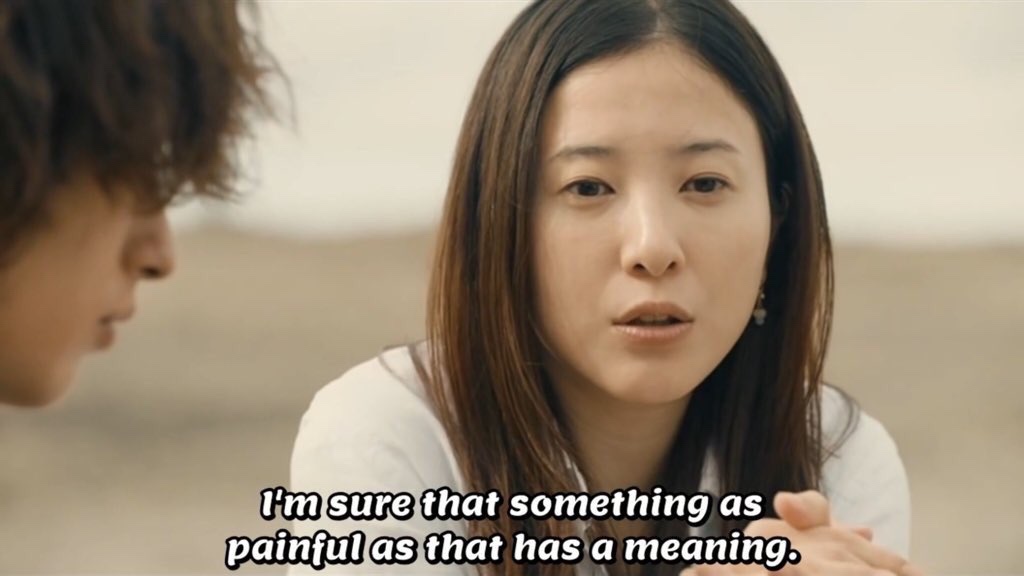
Truly seeing oneself is not just being able to look in a mirror, but instead is reflecting on oneself and understanding that every strength and fault adds up to make one unique being. Be kind to oneself, learn from mistakes, and then use them to build a home with those you love.
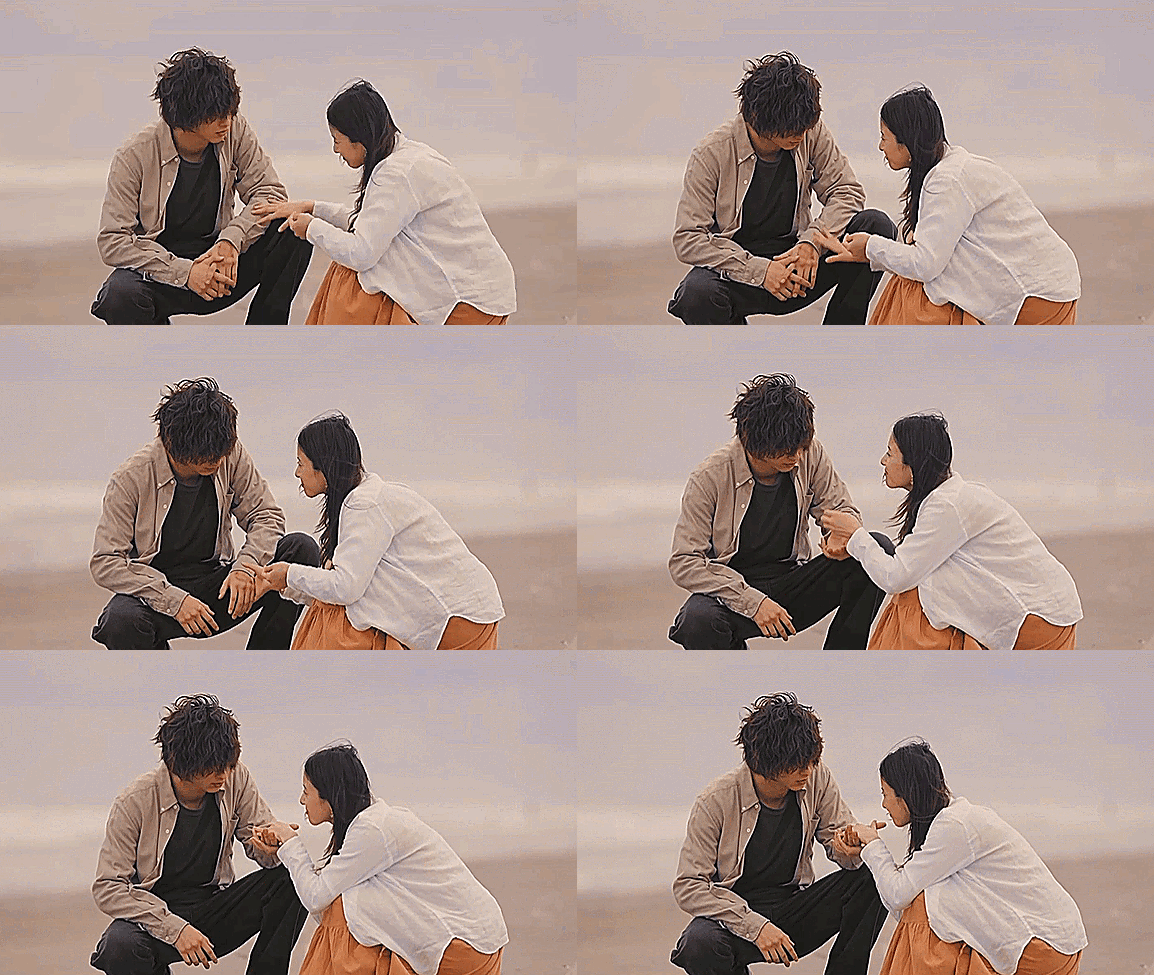
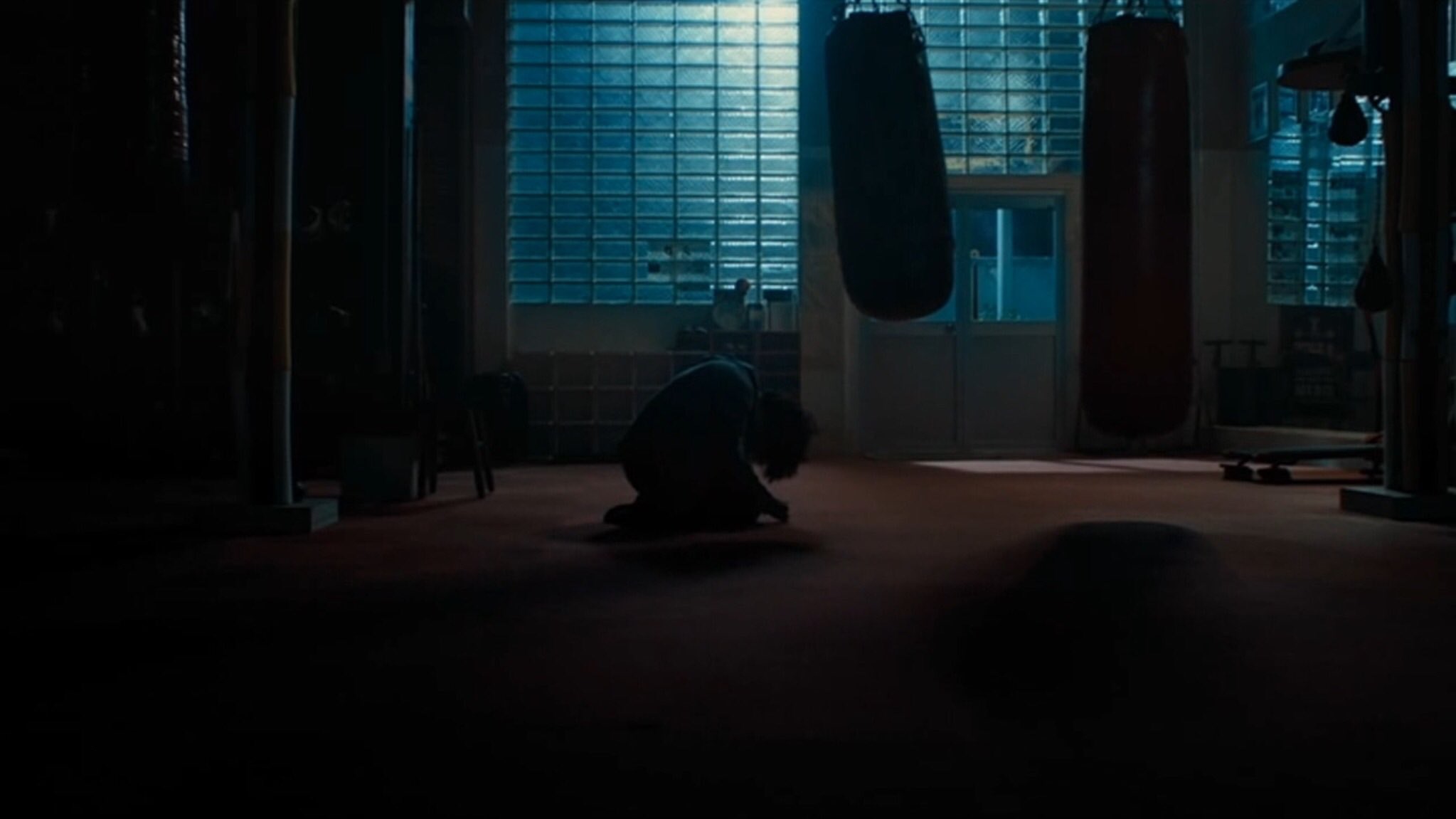
Beyond the plot and characters, the cinematography is lush and defining. Shots were not wasted and were used to their full potential. The color palette teeters on a thin light between warm and cold, which enables it to flip on a dime to match character’s constantly changing emotions.
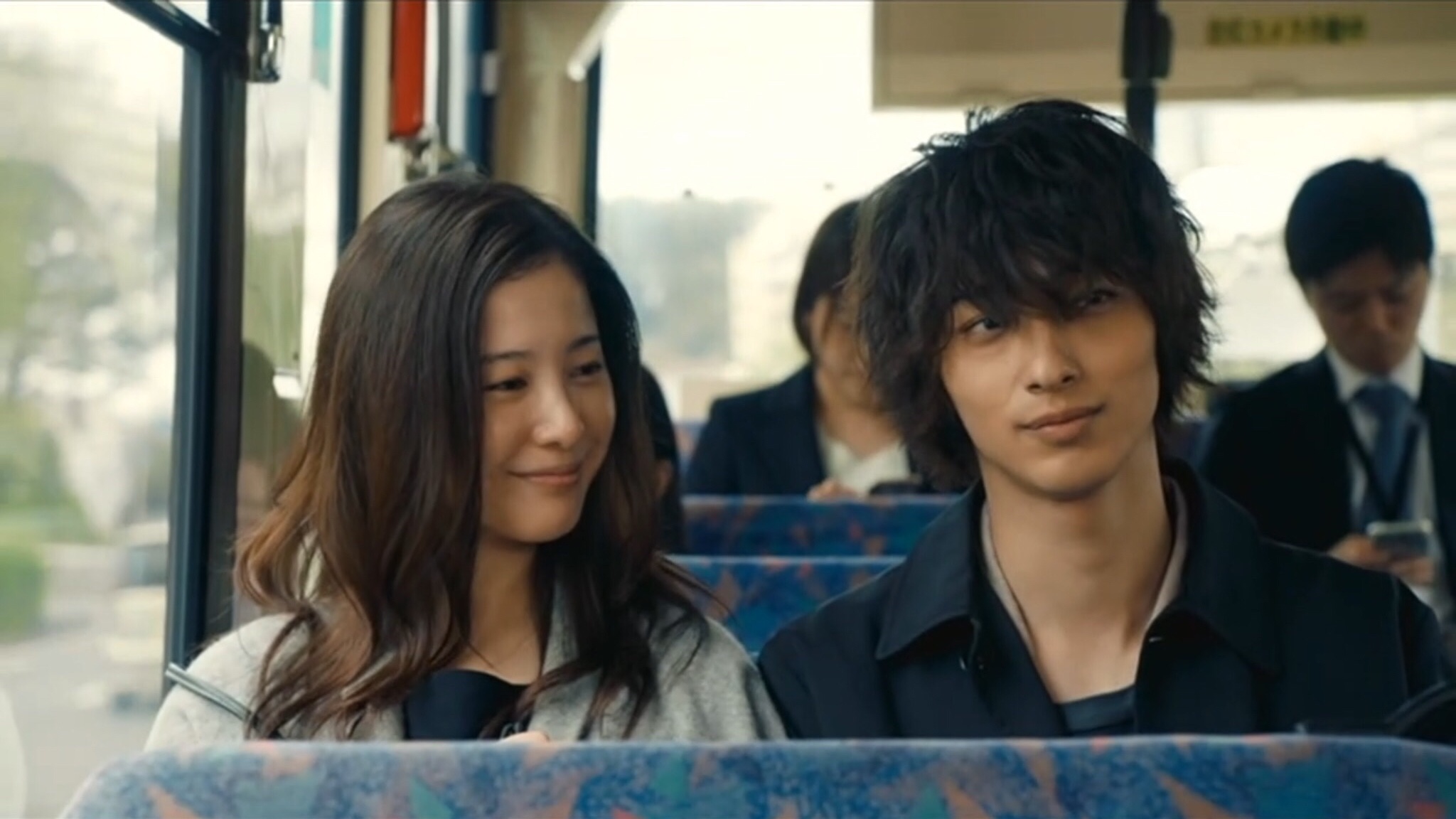
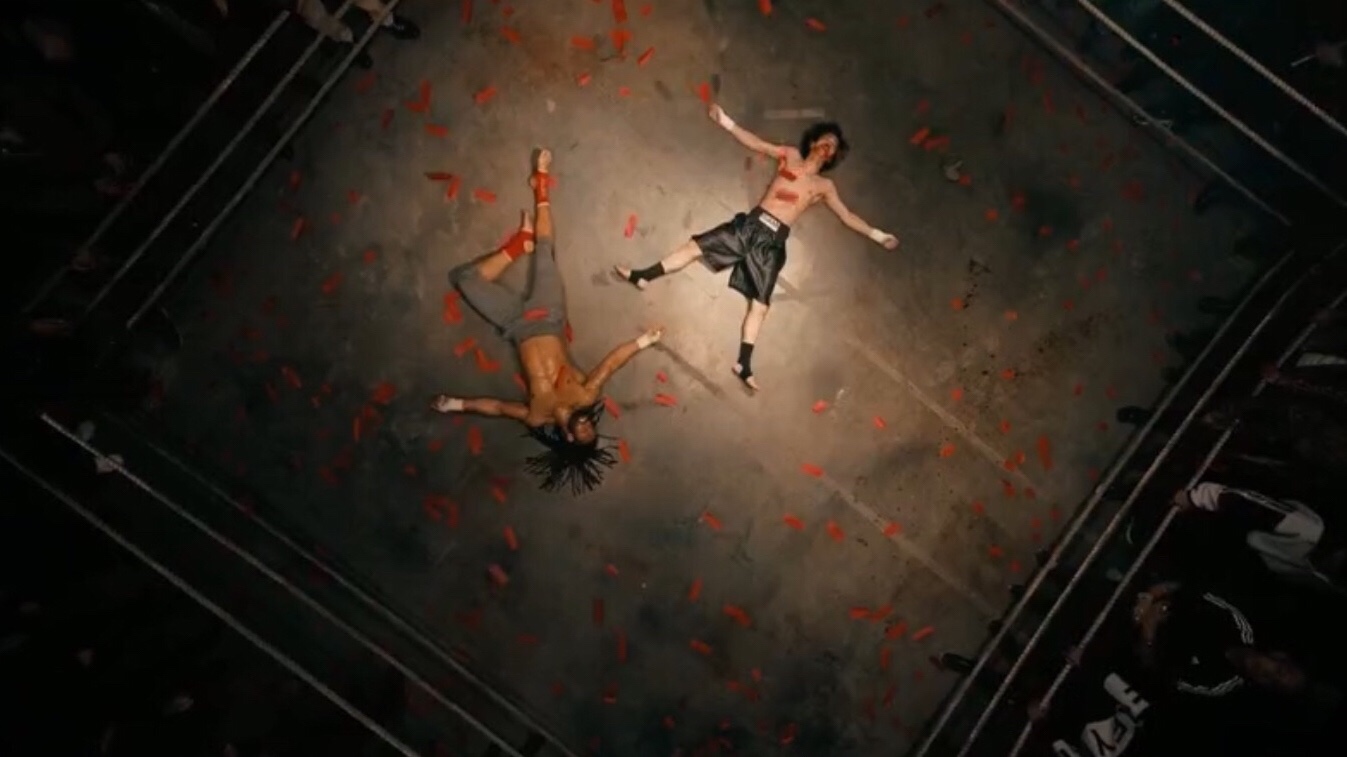
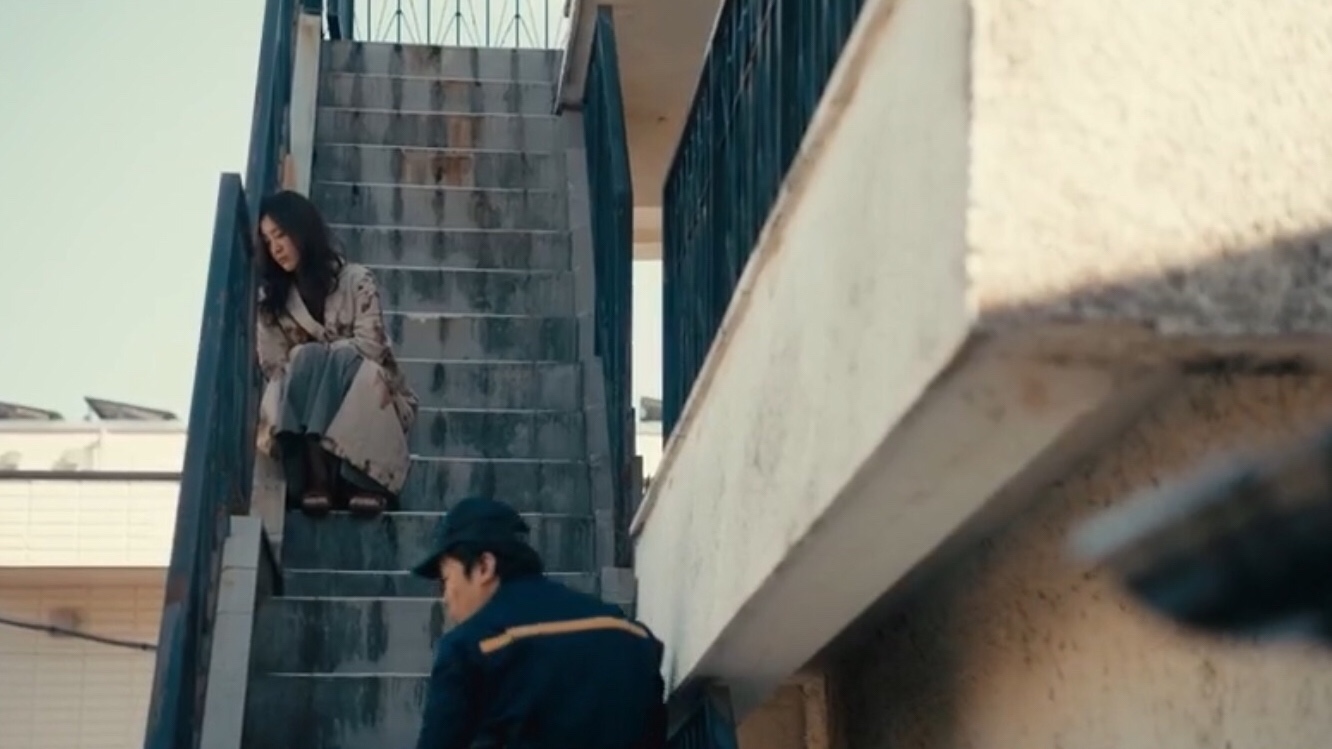
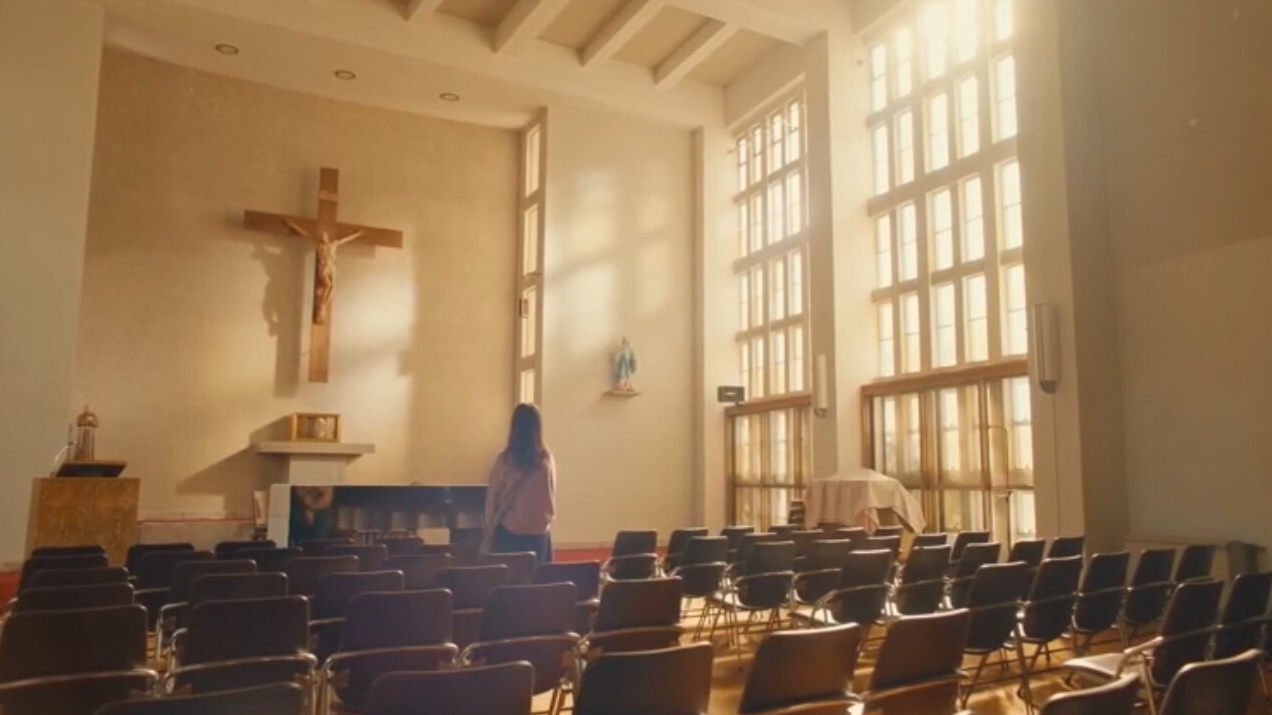
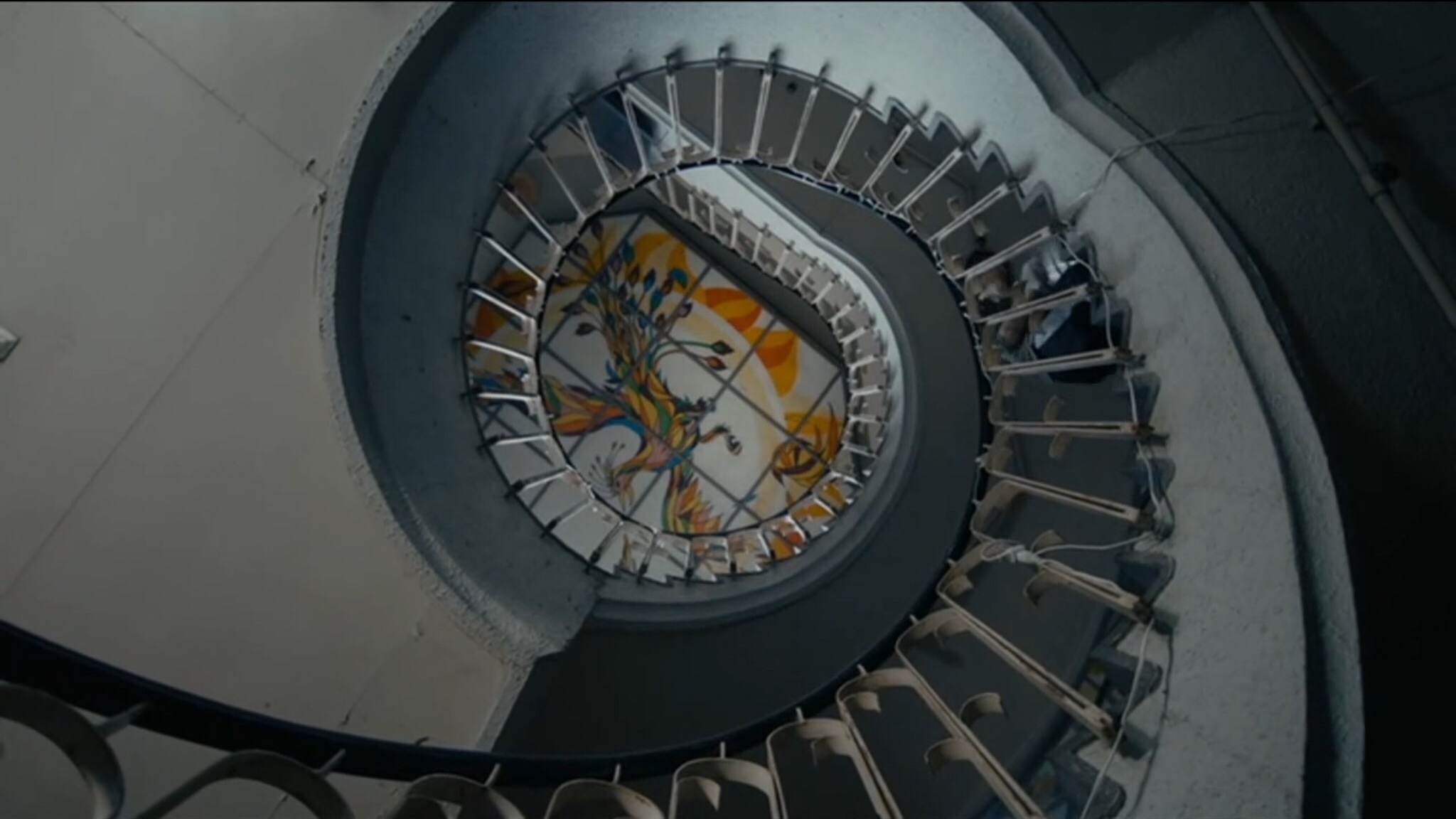

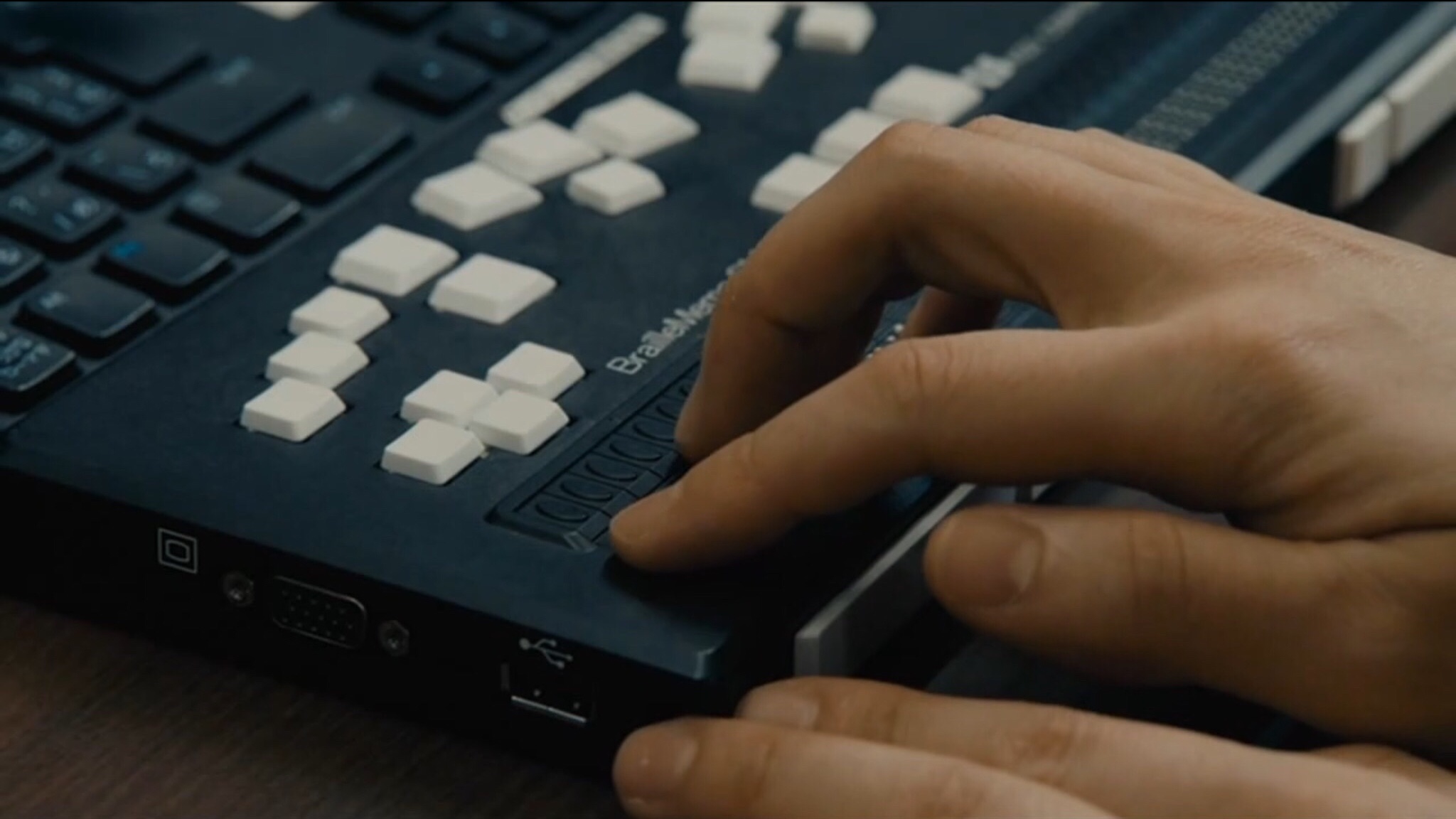
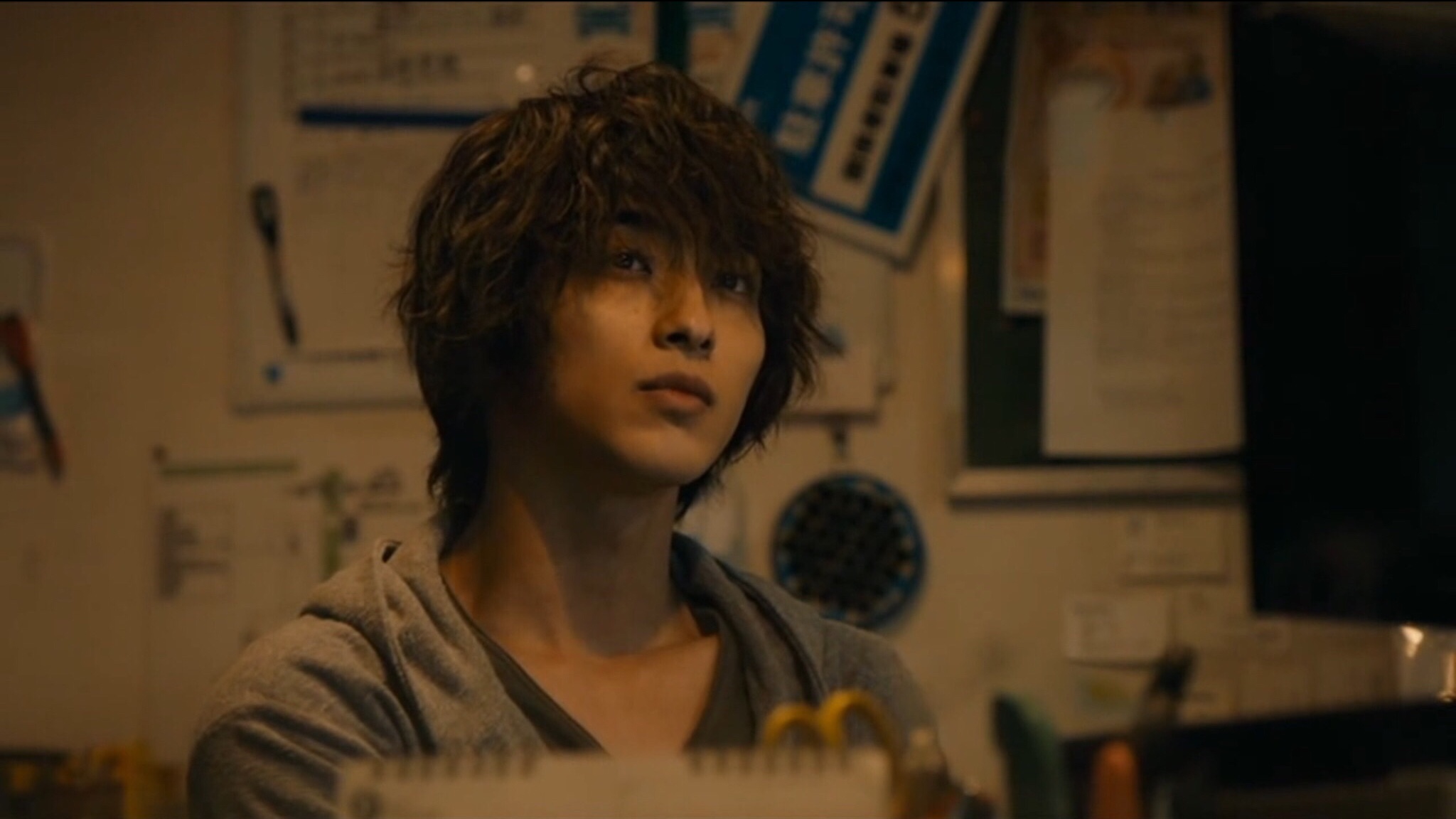
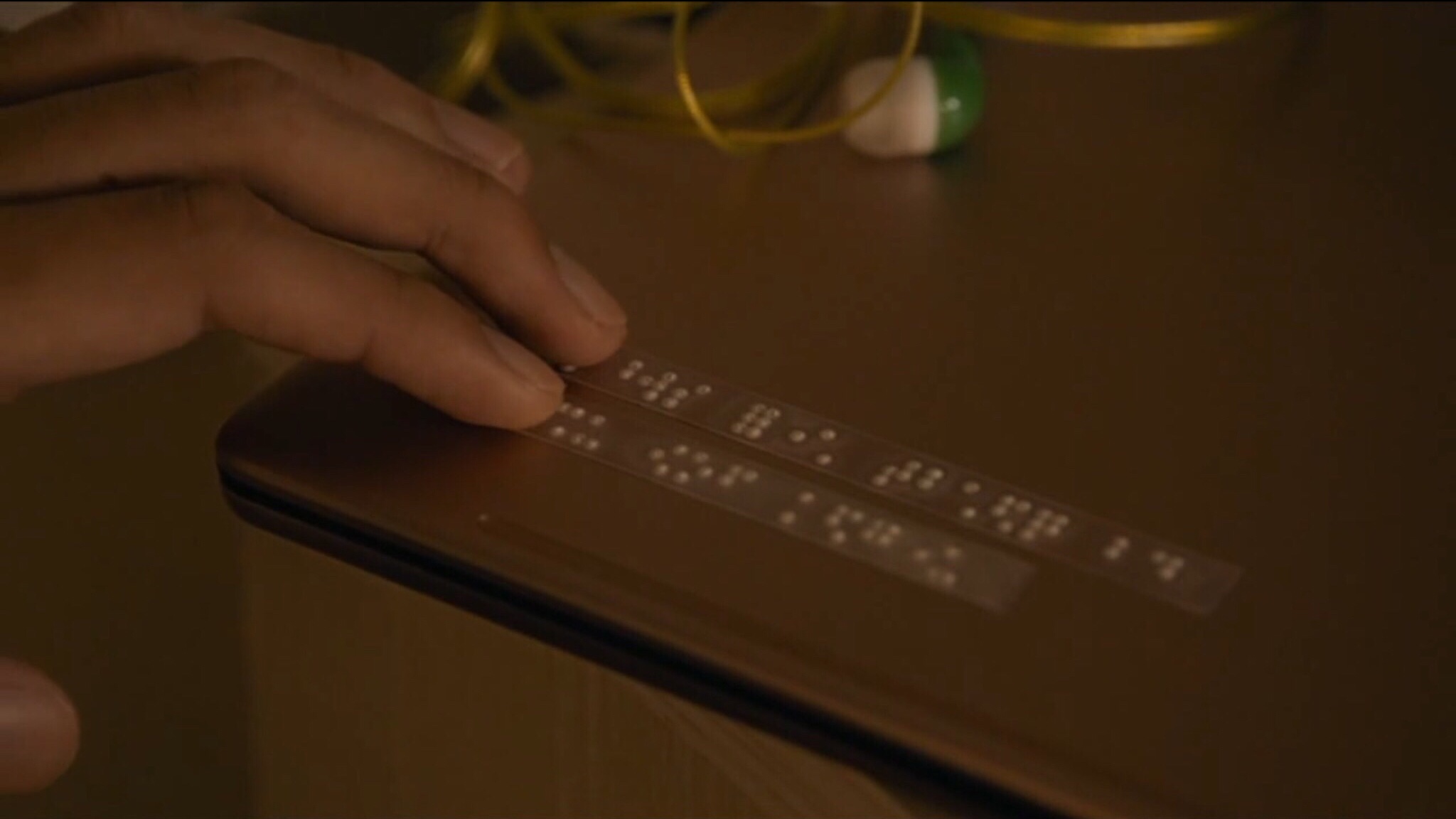
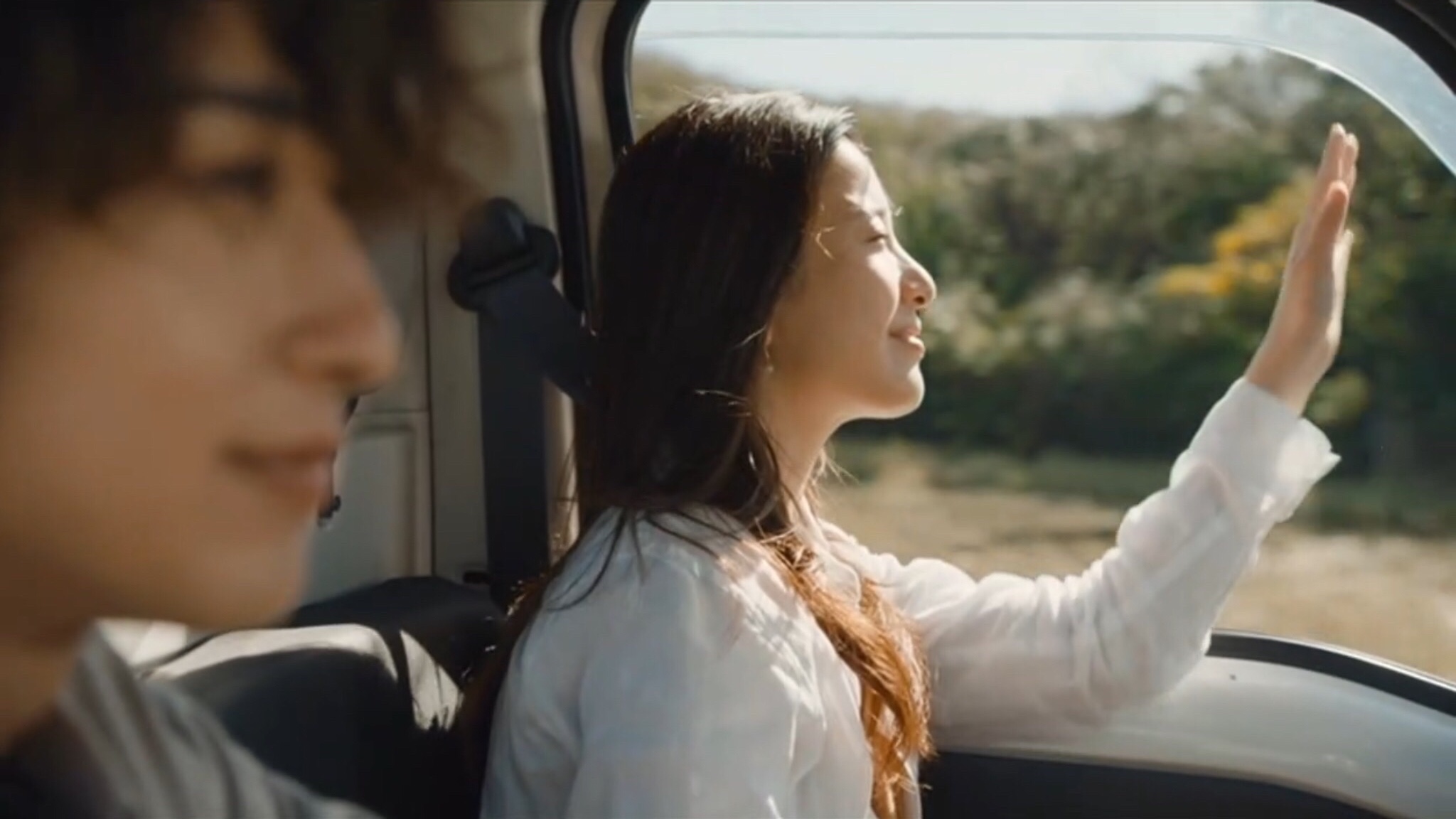
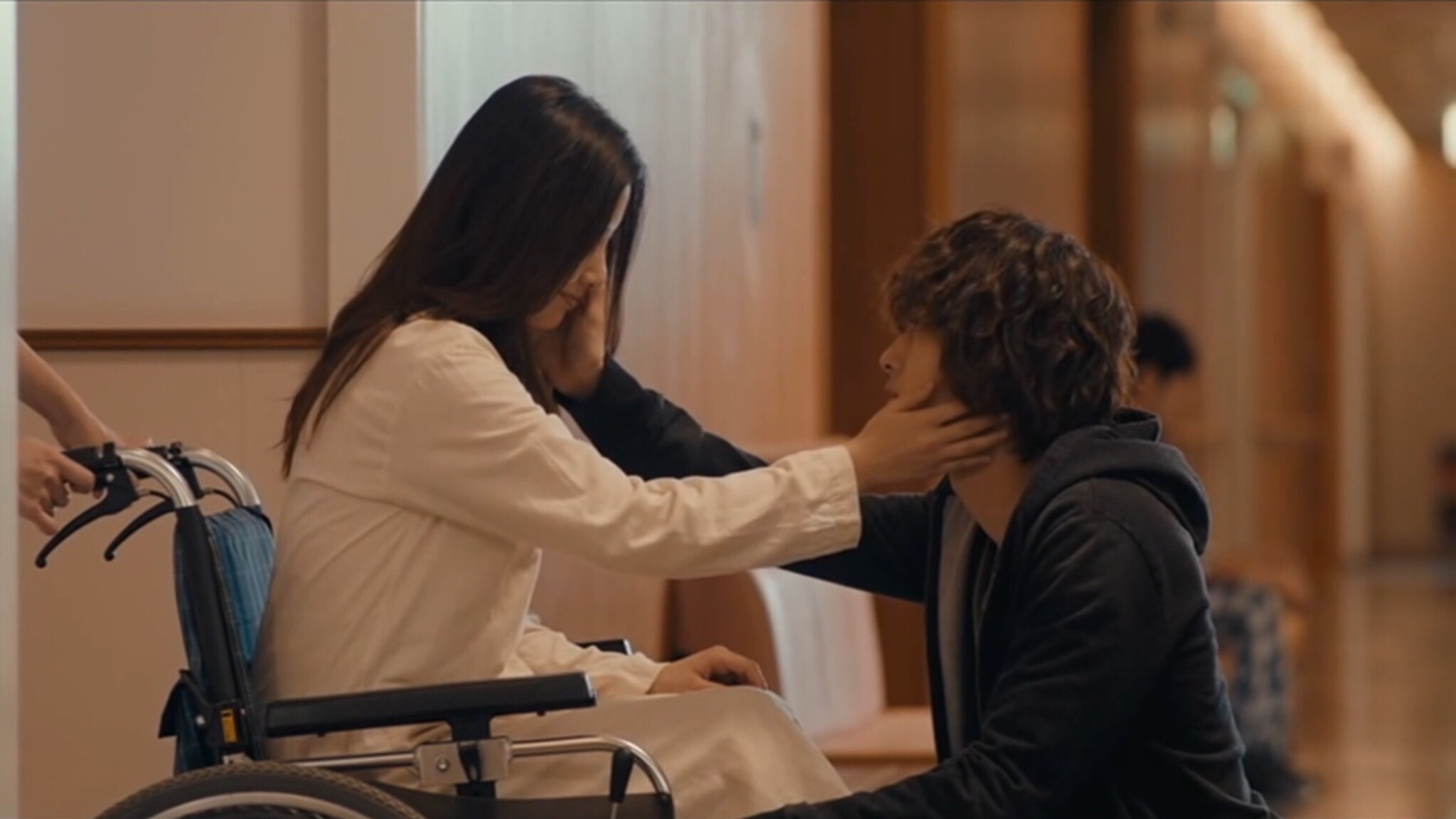
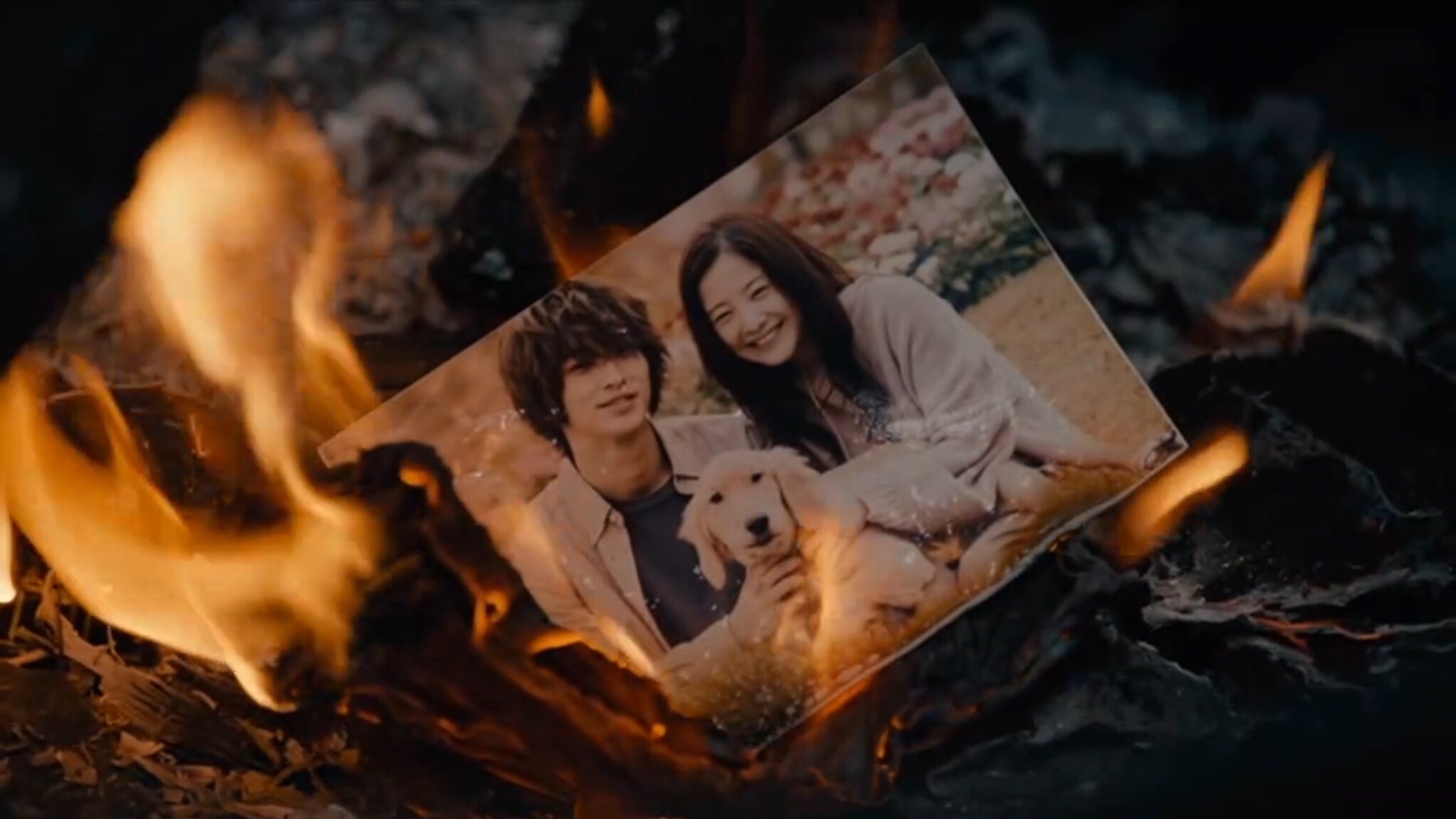
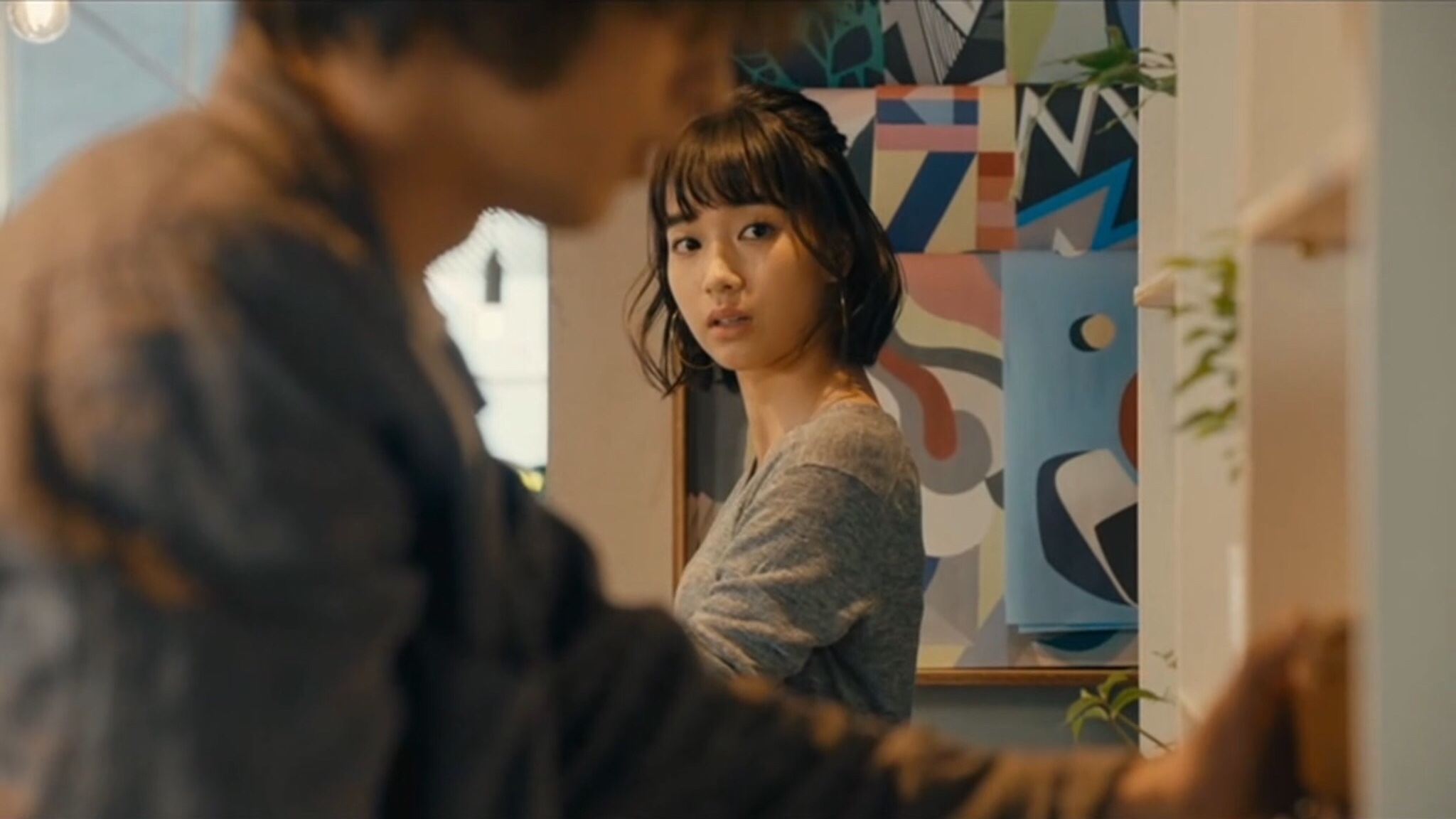
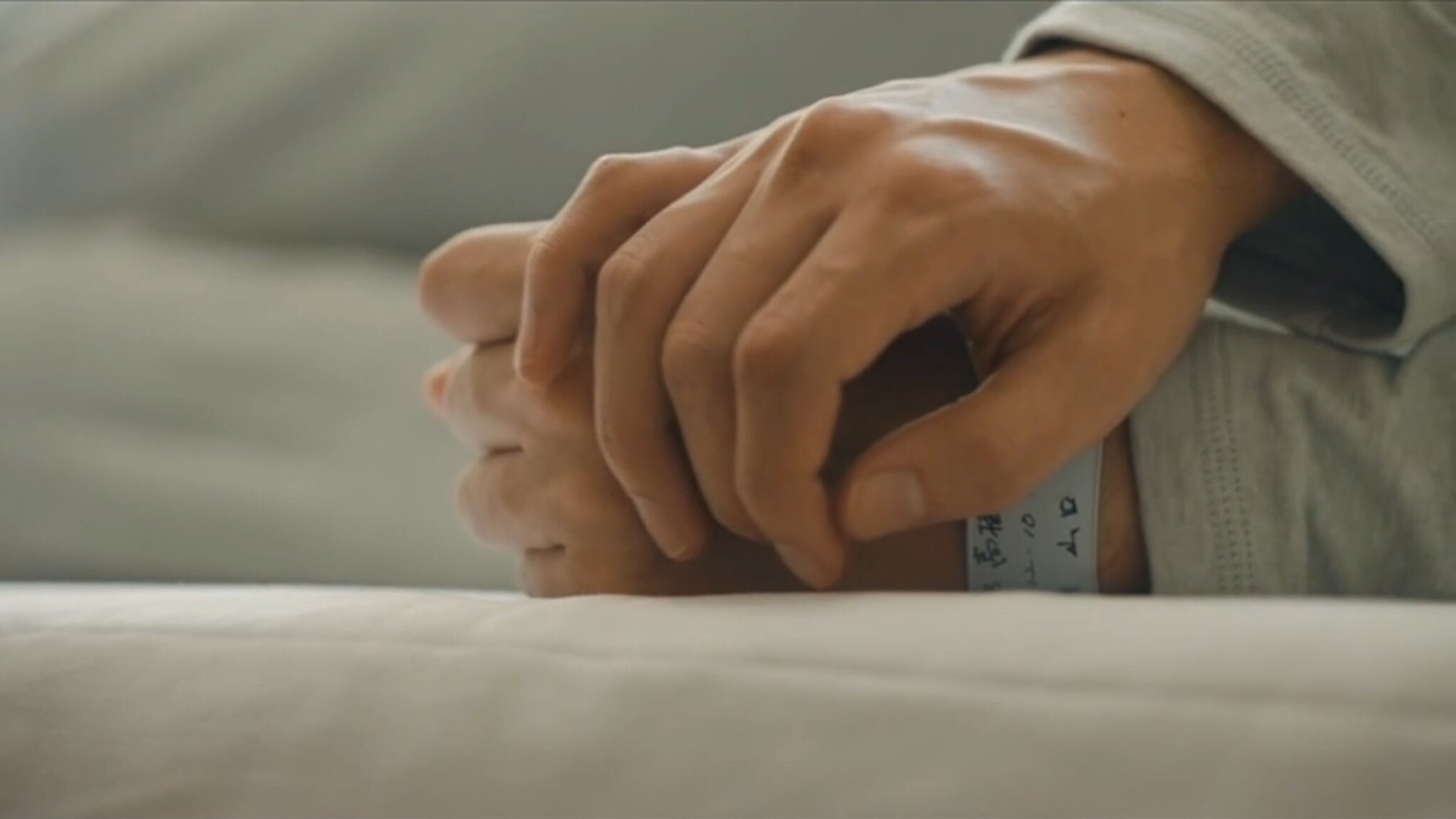
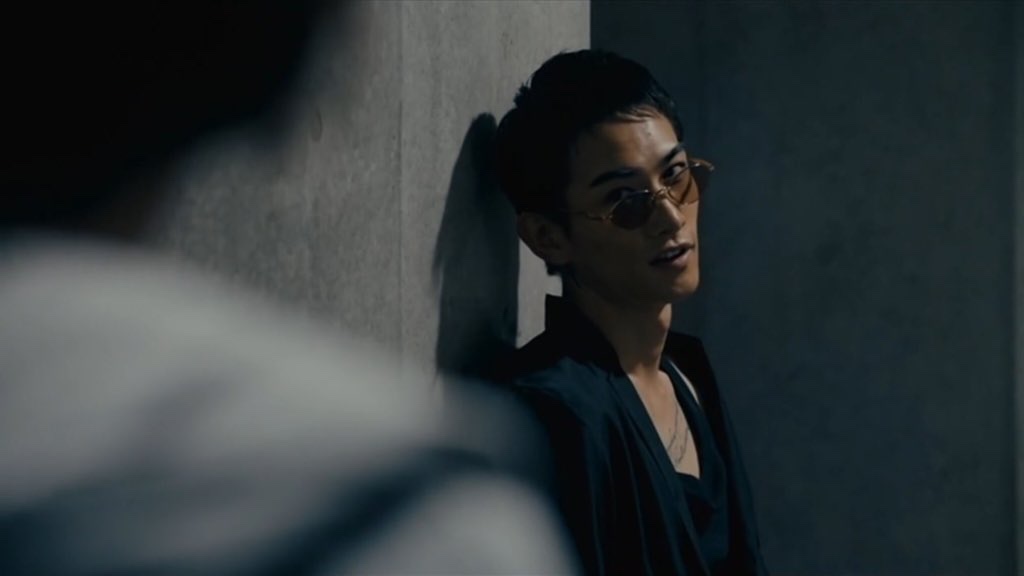
Oftentimes, two concurrent scenes alternate between dark and light, which adds beautiful, jarring contrast to the visuals that mirror the complexities of characters’ emotions. As seen below, light and dark fight for dominance as these two characters approach the same topic in two very different manners.
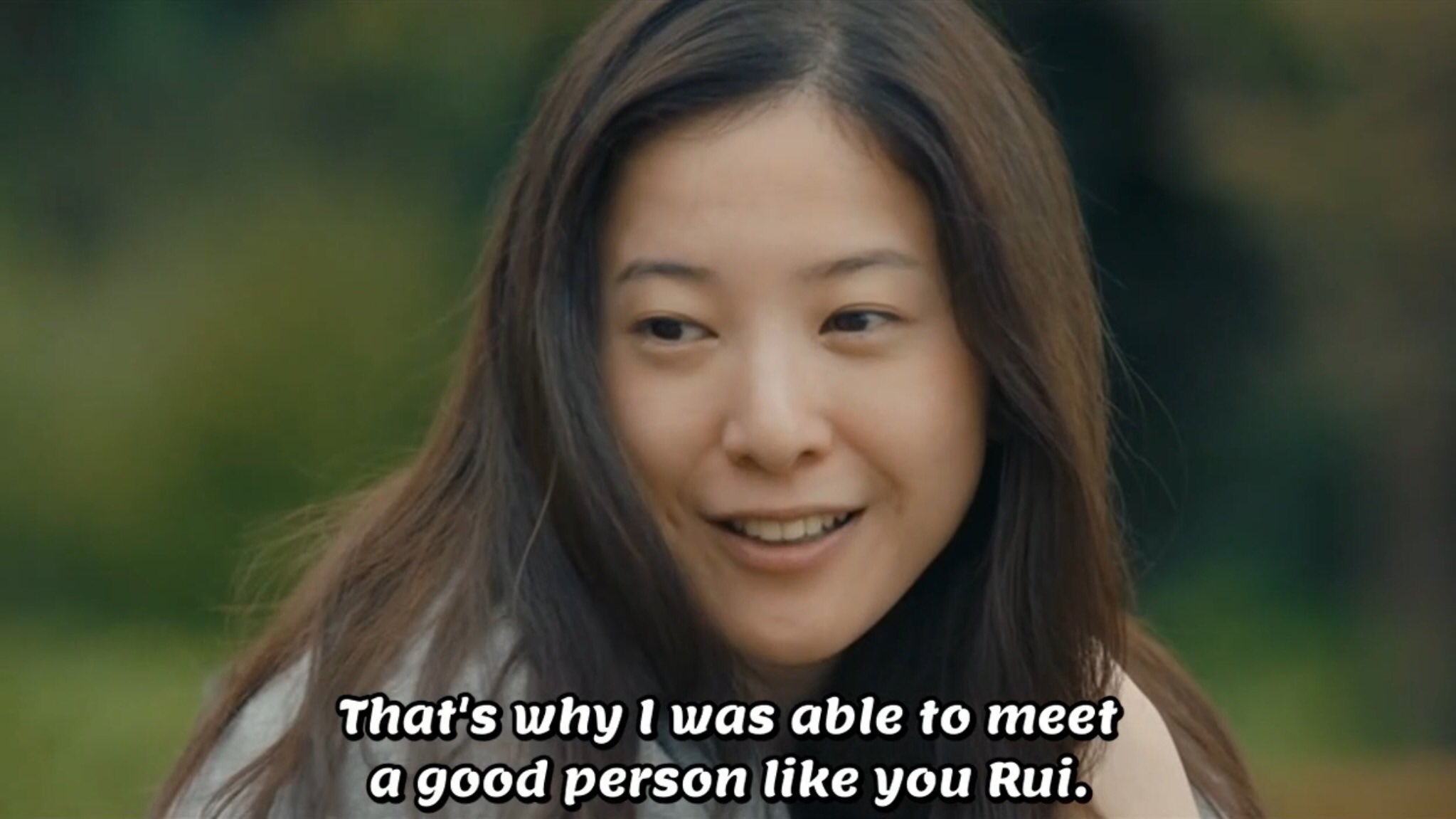
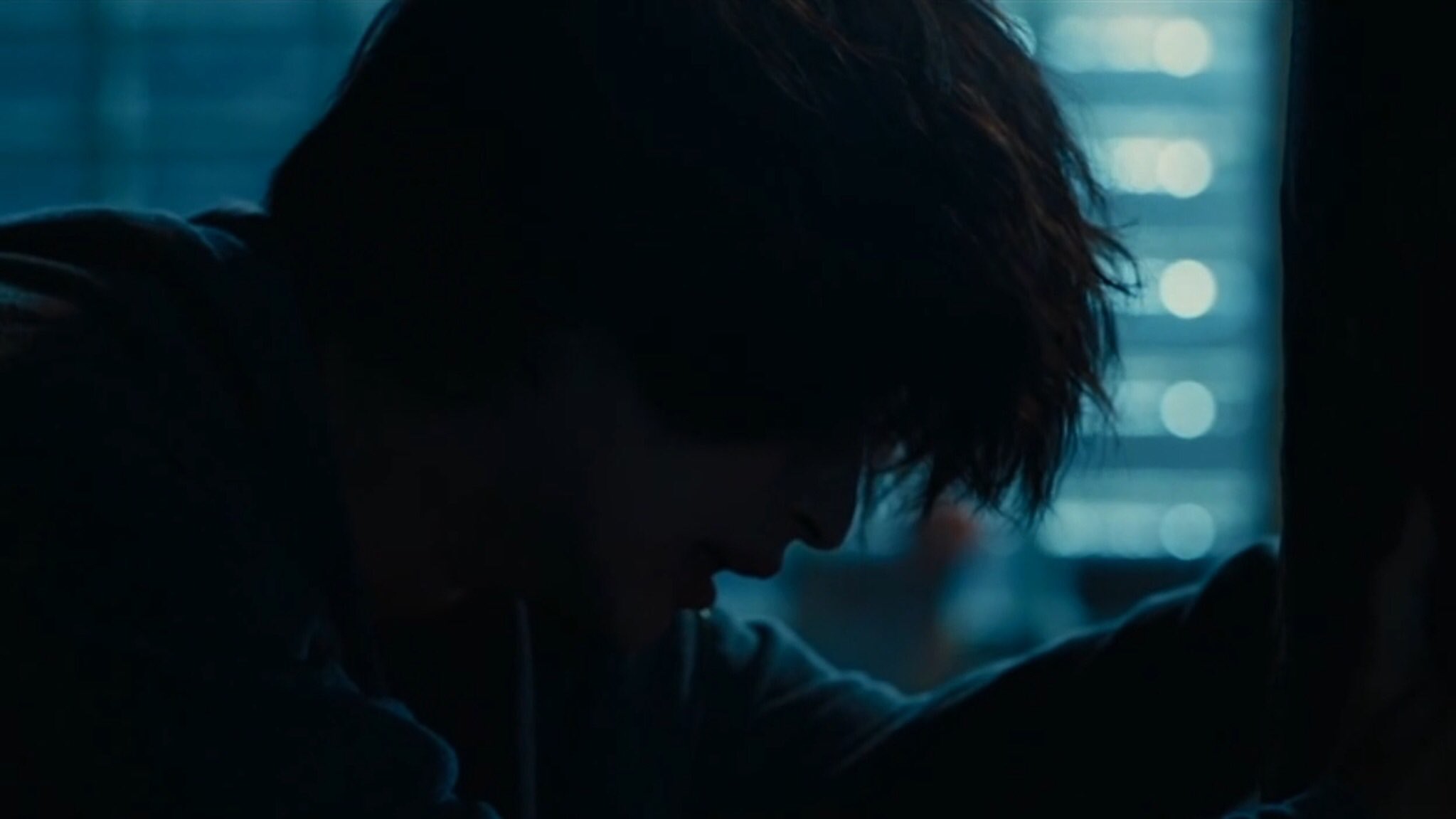
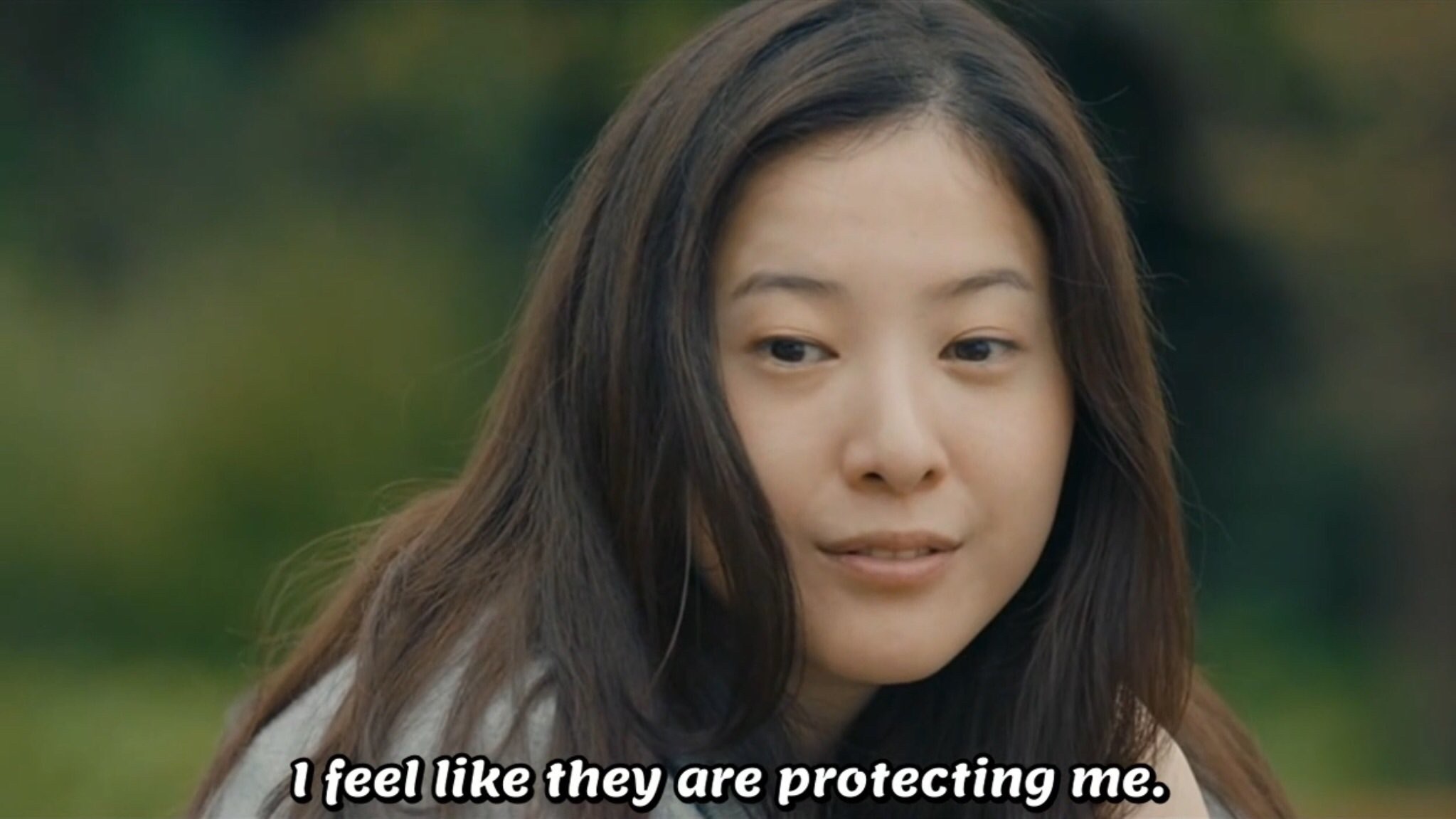
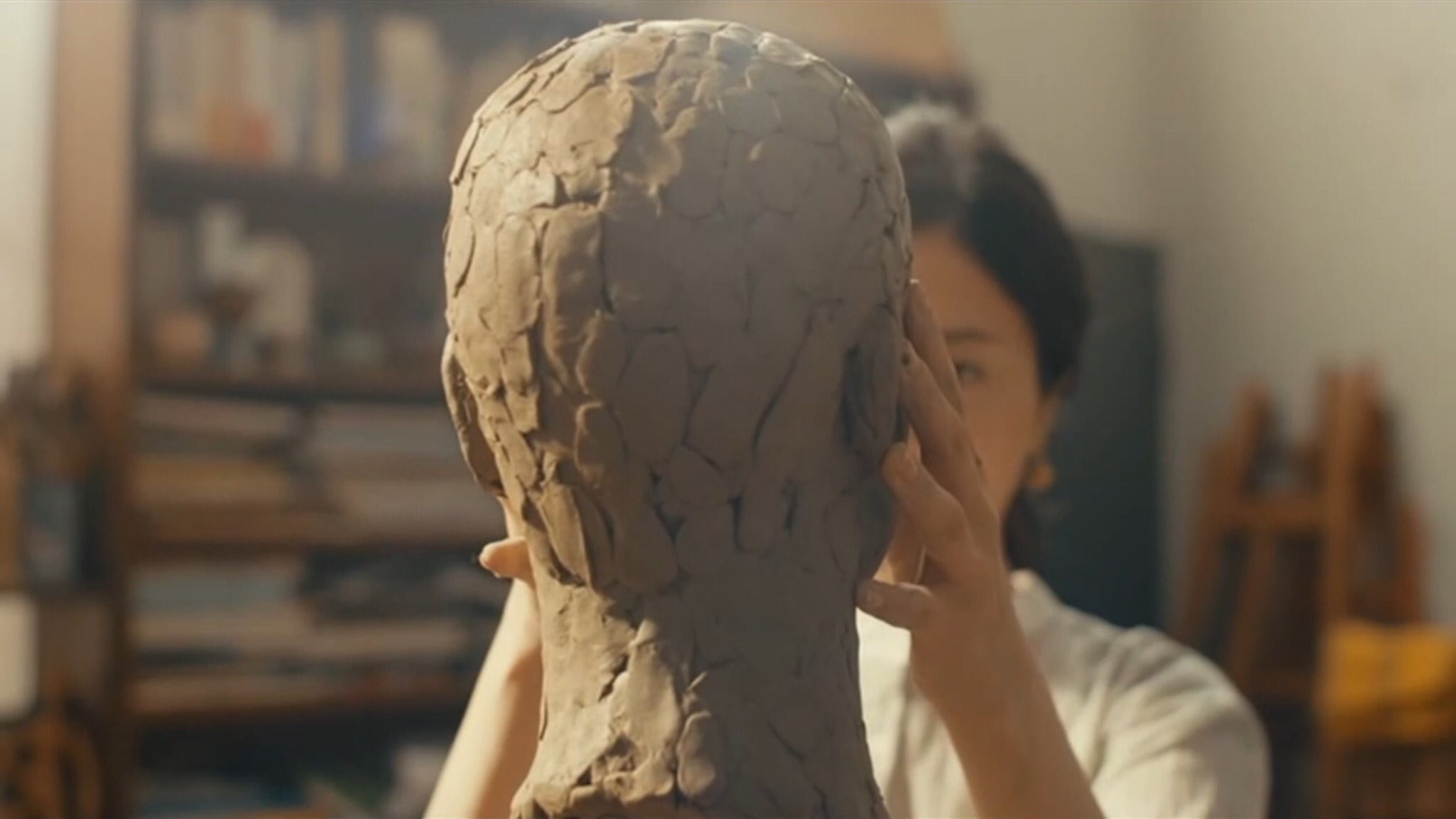
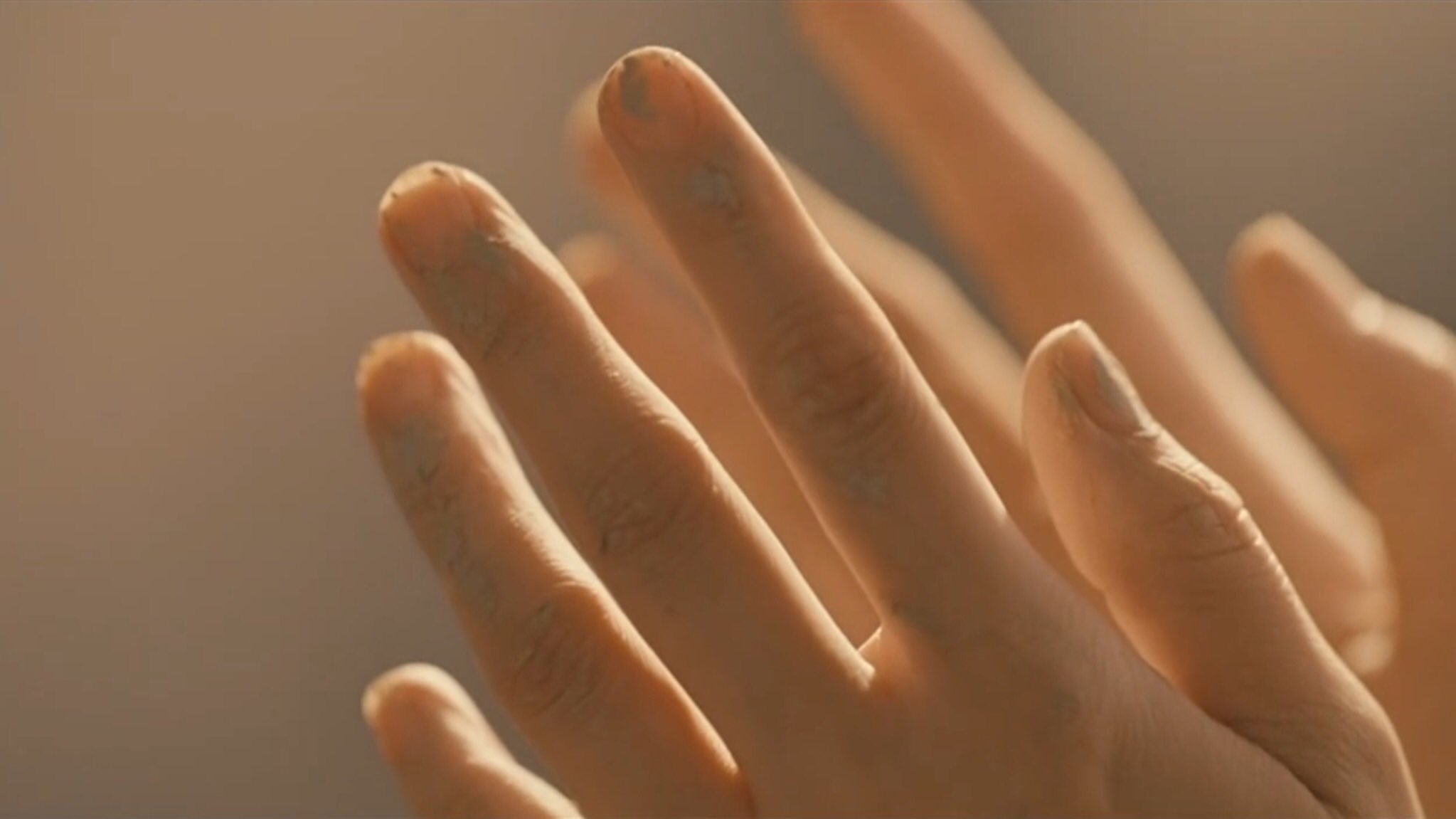
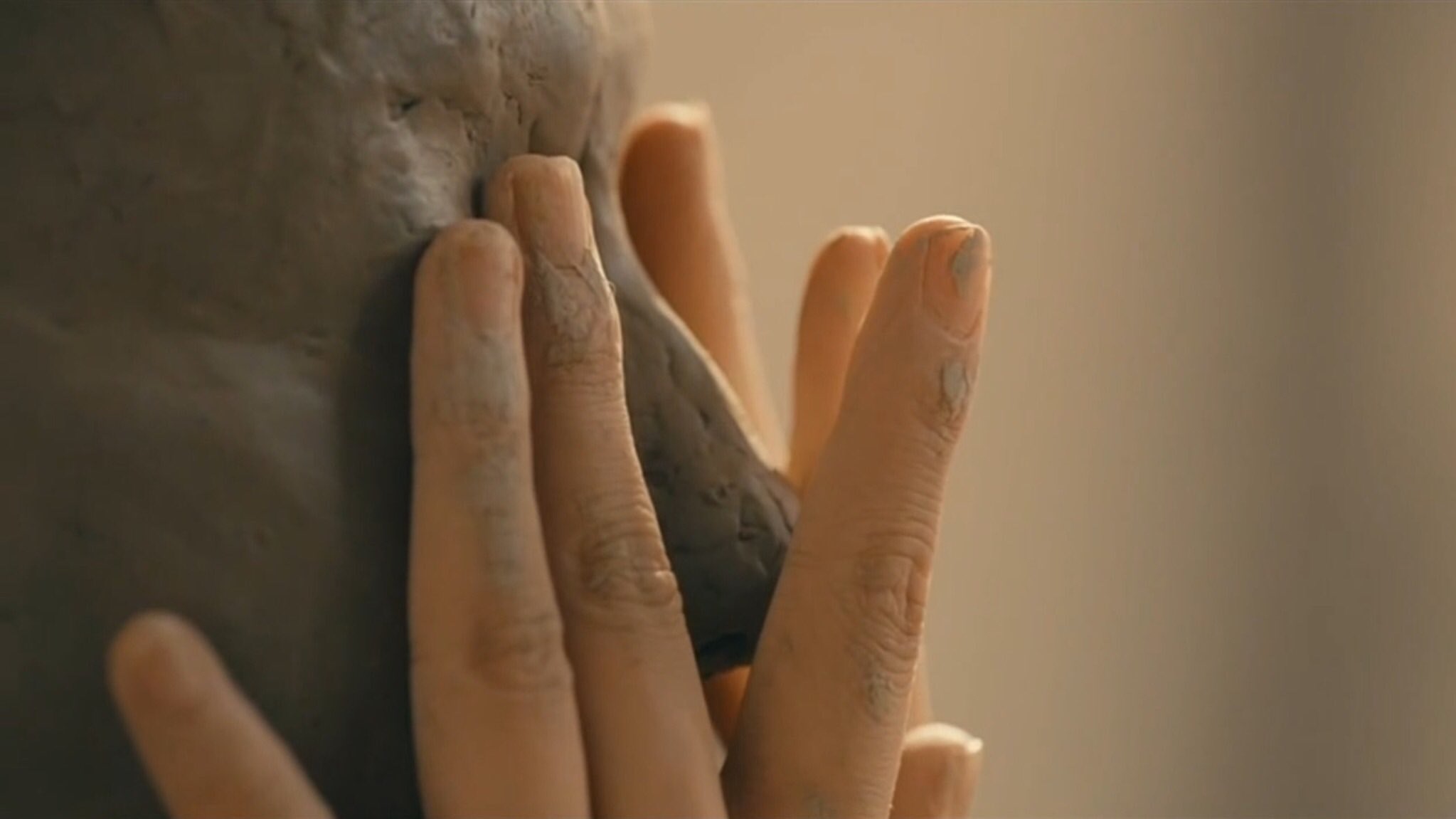
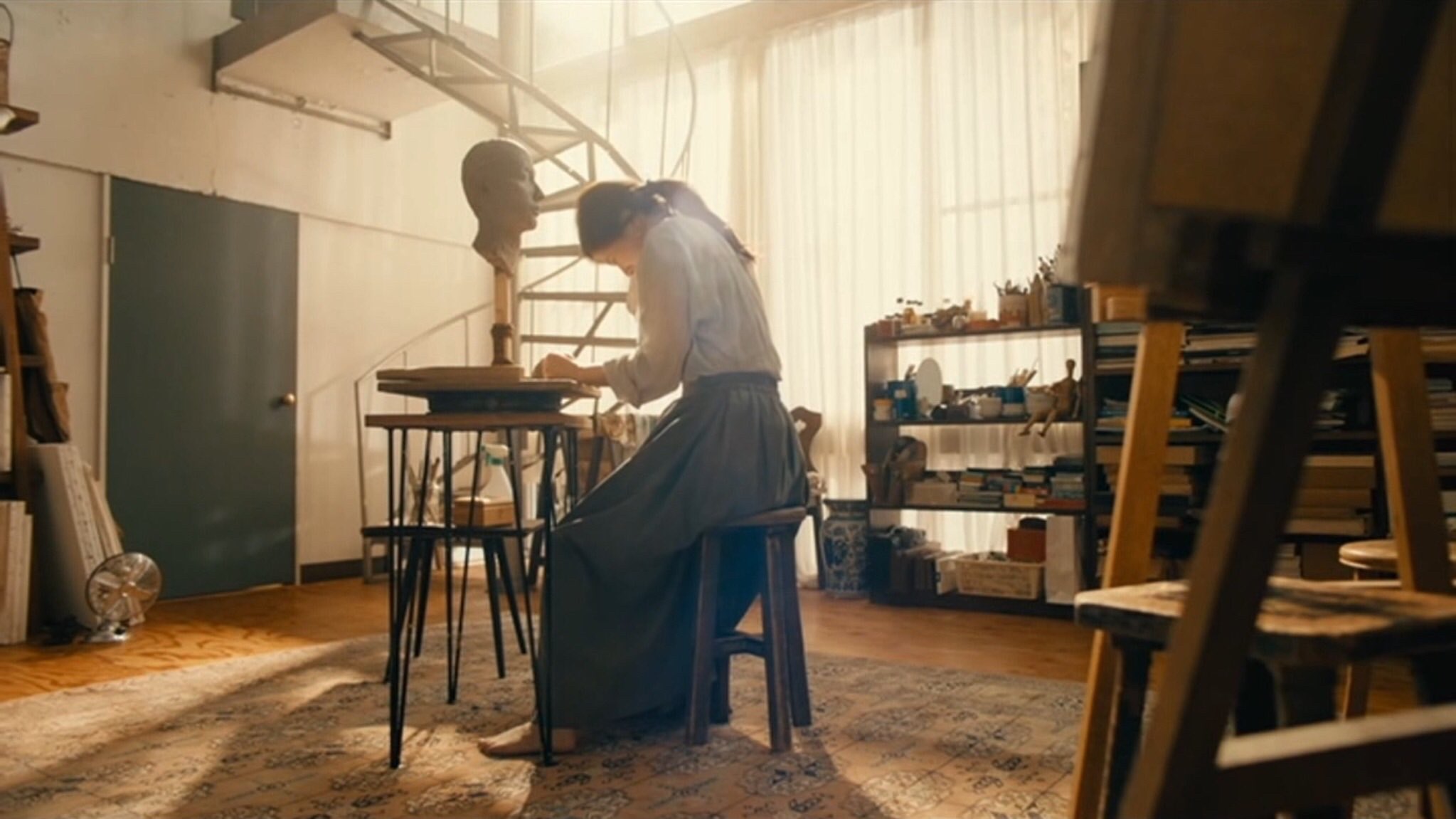
One other particular scene remains in my mind still all these weeks later— when Akari attempts to sculpt Rui’s face out of clay in her studio. The camera focuses on her hands shaping the clay bust instead of solely Akari’s face; audiences see in the same way that Akira was accustomed to before her surgery— through her hands.
It felt like I was overcome with desperation and that I was the one channeling that into the clay before me on the screen. The soft light holds warmth yet sobriety at the same time like a facade of hope hiding the grim truth that lingers in the studio.
As the camera pans away from Akari weeping in front of the cold, now overworked clay, one cannot help but feel sorrow for the woman before them, which is a true marker of exquisite cinematography, acting, and directing.
Along with the cinematography, the soundscape was simple and not overwhelming. Unlike other films and dramas that play the theme OST at every chance, Your Eyes Tell did justice to BTS’ lead song, titled the same as the movie. There are a few distinct, memorable moments in the movie when BTS is heard instead of everything being jumbled together in a chaotic mess of the same song over and over again.
Despite its plethora of strengths, however, the plot is a tad— and I mean a tiny tad— bit lackluster in world building. I would have loved to see the underground gang fleshed out more from Rui’s past along with his history tied to the kickboxing dojo.
Also, the ending is sweet and emotional, but I would have loved to witness more of Akari and Rui’s future; however, with that being said, the plot was not slow and was masterful in its storytelling. It is only a movie, not a drama, so this criticism is a result of my selfish longing for more Your Eyes Tell content.
Between the characters, plot, visuals, and soundscape, Your Eyes Tell gracefully showcases two individuals taking their first steps towards their walk in the sunshine; however, just as the sunshine found on a spring morning, I wish it stayed a little longer.
Folks say that you smile with your eyes and through both their hardships and tender, stolen moments, Akari and Rui finally find genuine smiles in each other as they gaze into each other’s eyes.
Watched on: 4/24/2021
Tracked Themes:
- what is sight
- importance of religion
- societal ideals surrounding employment
Rating: ⭐️⭐️⭐️⭐️.7/5 stars
Recommend? Y/N
“I want you to see your happiness with your own eyes.”
– Rui, Your Eyes Tell (2020)
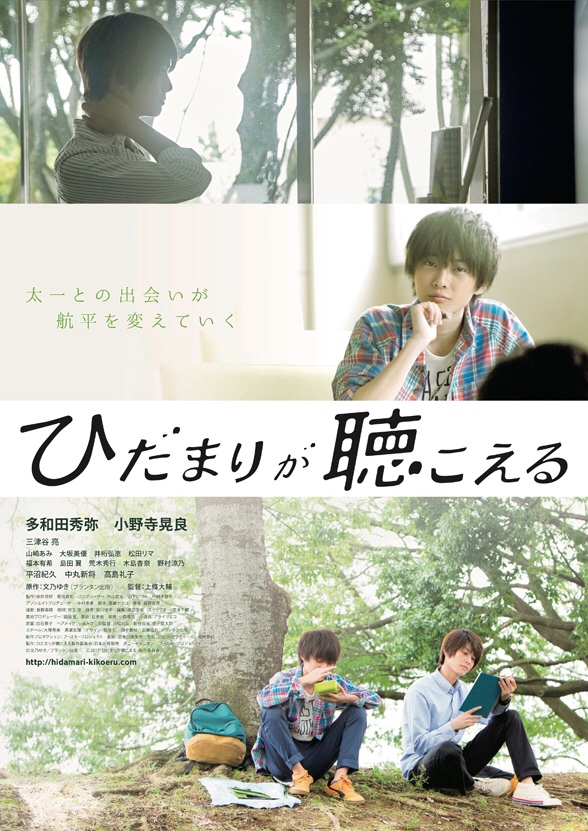
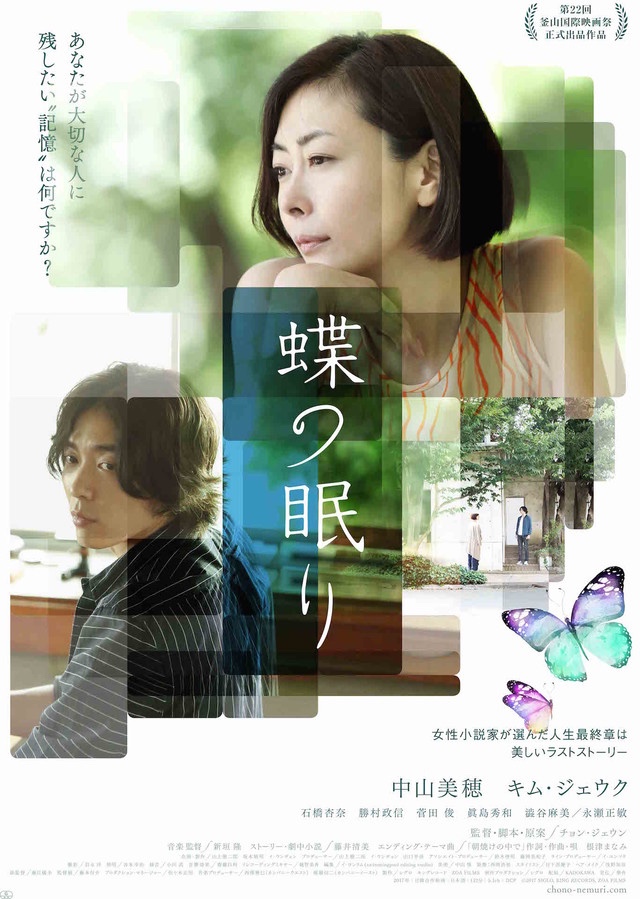
If you like Your Eyes Tell, I recommend:

 Grow the Roses