
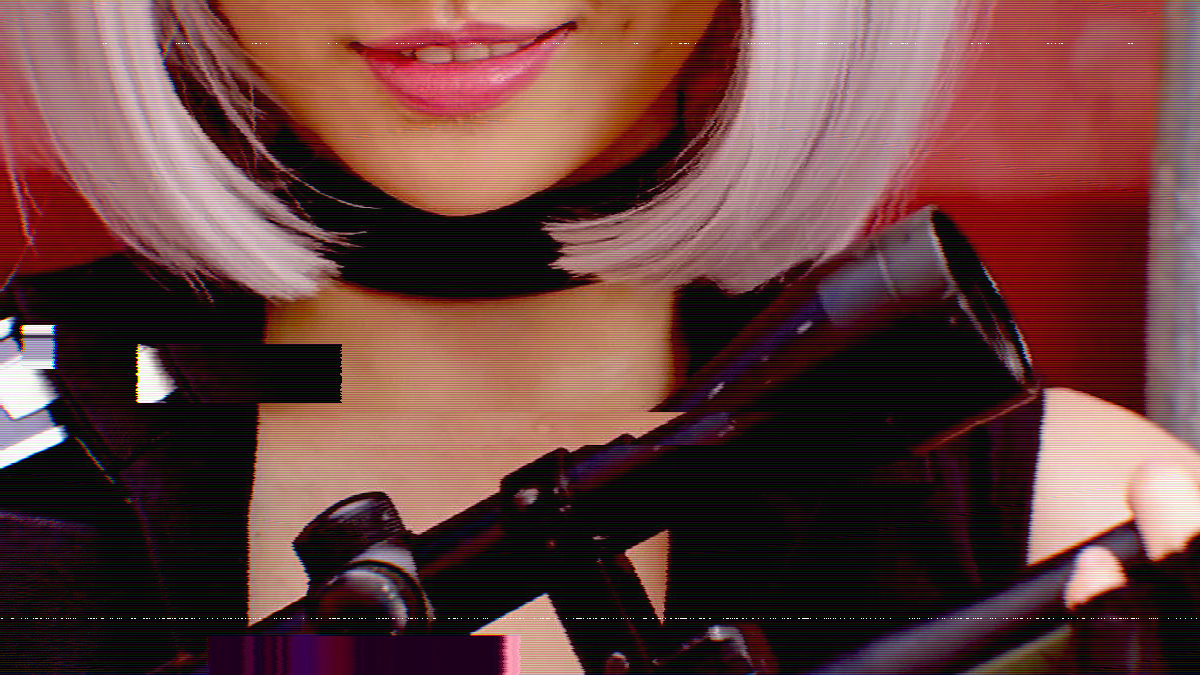
Though a bit discombobulated and with inconsistent pacing, Cross Fire regains it’s momentum in allowing audiences to experience each character presented as player one; consequently, the team called Continue not only makes an impact in this fictional gaming world, but also in the hearts of viewers who watched it’s origins.
—————————-
While growing up, video games were never an essential part of my day-to-day life. Hearing “they’ll rot your brain!” and “they’ll make you antisocial” in rotation was not too encouraging to my child mind. To put it bluntly– I respect it, but I practically have no interest in video games or even online gaming. Besides the occasional Mario Kart or Mario Party session with my friends, I’m out of luck when it comes to online gaming culture.

Keeping that in mind, as I heard multiple people rave about the 2020 Mainland China drama titled Cross Fire, I kept passing it by. Why would I spend time on a drama centered on PC game culture? However, as 2021 came around, I figured I would try something new. New year, new me, right? Well, that was one of the best drama decisions I have made because Cross Fire found a permanent residence in my heart.
Cross Fire is a Mainland China drama that focuses on two male gamers– Xiao Feng and Xiao Bei– and their underdog teams as they compete to become the best Cross Fire players in the country. Xiao Feng and Xiao Bei meet through the game and start sharing tips with each other, but there is a catch– Xiao Feng is playing in 2008 and Xiao Bei is playing in 2019. As the two timelines cross in the virtual world, both of their realities become laden in romance, crime, murder, mystery, despair, and companionship as events change before everyone’s eyes.
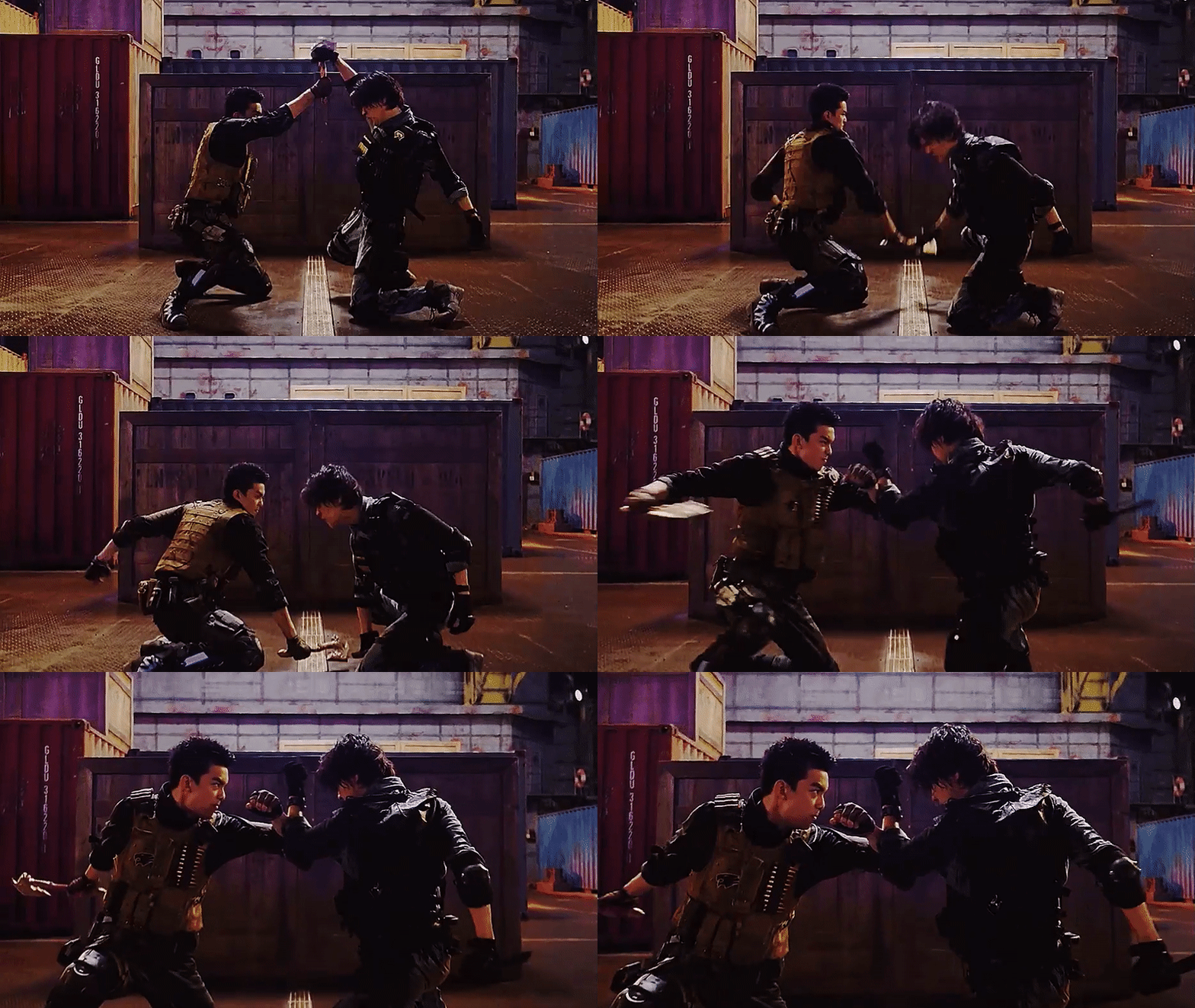
As seen above, Cross Fire intertwines a plethora of genres and themes with the saturated, loud, and vibrant world of online gaming. This adds more complexity to the common gaming plot line that has flooded dramaland in the past approx. six years. Yes, it focuses on the game itself, but Cross Fire also showcases how gaming affects the private and public spheres of one’s life as is seen through the growing pains of both of the drama’s leads; Xiao Feng struggles to conform to societal expectations of the 20-something year old due to his interests lying elsewhere while Xiao Bei butts heads with his family, who has hardened it’s heart to gaming as a result of trauma. Cross Fire becomes so multi-genred as this is what reality is– learning to balance the crossing of interests and duties.
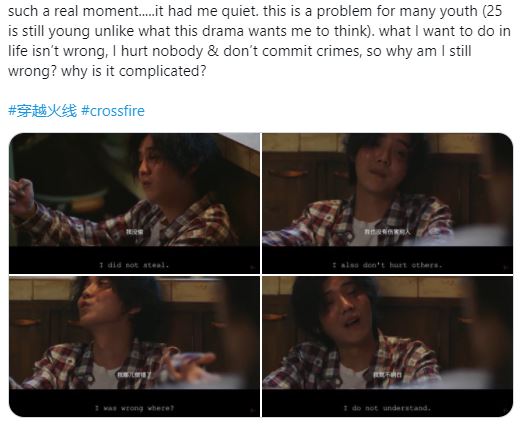
Speaking of balance, this aspect is where Cross Fire earns a significantly lower score. With the crossing of timelines, comes the responsibility of efficiently telling two tales instead of one. The 2008 story and the 2019 story are very uneven in terms of quality, with the former being better handled. While watching, I was much more engulfed in Xiao Feng’s story from 2008. The characters are more complex and shown as morally grey and as a result, the emotion the story evokes in viewers is more intense. In the 2019 story, there are crystal clear good and bad guys; the story is more cookie cutter and reminiscent of gaming stories found in dramaland already. The timeline also jumps much more and the passage of time is not coherent. While I love Xiao Bei, I did not become to enthralled with any of his teammates as their characters are the stereotypical set that commonly surround the main character– the childhood bestie, the token girl, the hothead, the quiet one. The 2019 timeline takes a recycled plot and tweaks it, while the 2008 timeline holds a much more poignant spot on the playing field of originality.

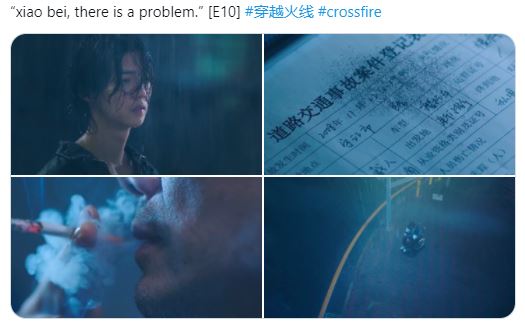
While the two timelines are noticeably different in their storytelling, in the instances when the timelines meet is when viewers are in for a true treat. I distinctly remember where I was and what I was doing when I was watching Episode 10, the episode where Xiao Feng and Xiao Bei make their first extreme climactic change to time and events. The build-up, the emotions, the cinematography, just everything about the storytelling up until Episode 10’s climax was superb.
However, once the drama reaches the Episode 18 mark, Cross Fire experiences a cacophonous lull in storytelling that is only resolved when the two timelines converge in present day in the last few episodes. Thankfully, the characters and their compelling development keeps viewers satisfied during that lull. Each character is given their own moment to shine, their own spotlight, and is allowed the chance to connect with viewers whether it be through humor, hatred, or the struggles of everyday life. Topics of femininity & misogyny, ableism, ageism, morality, and conformity all make significant appearances in the stories told by each gamer.
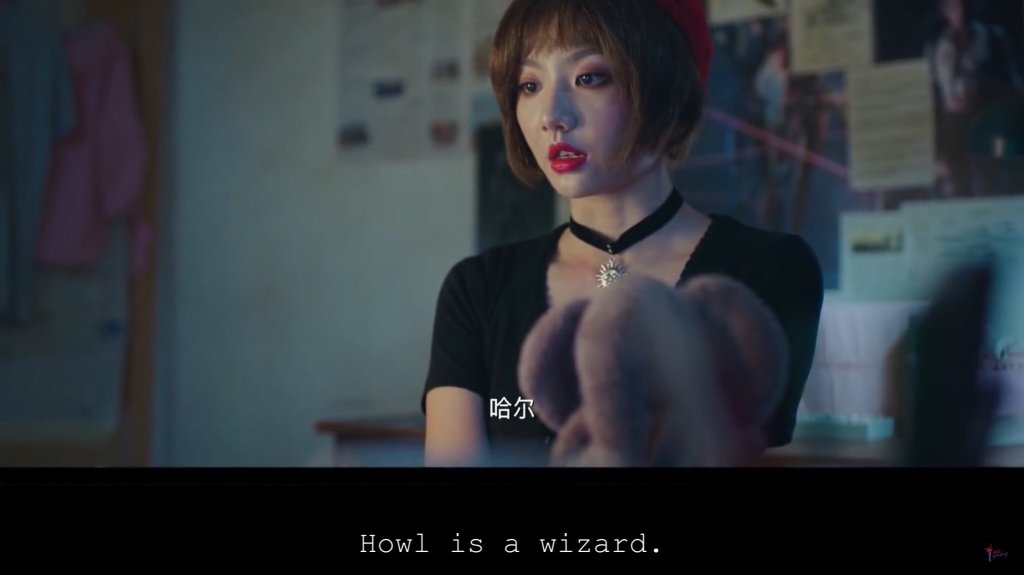
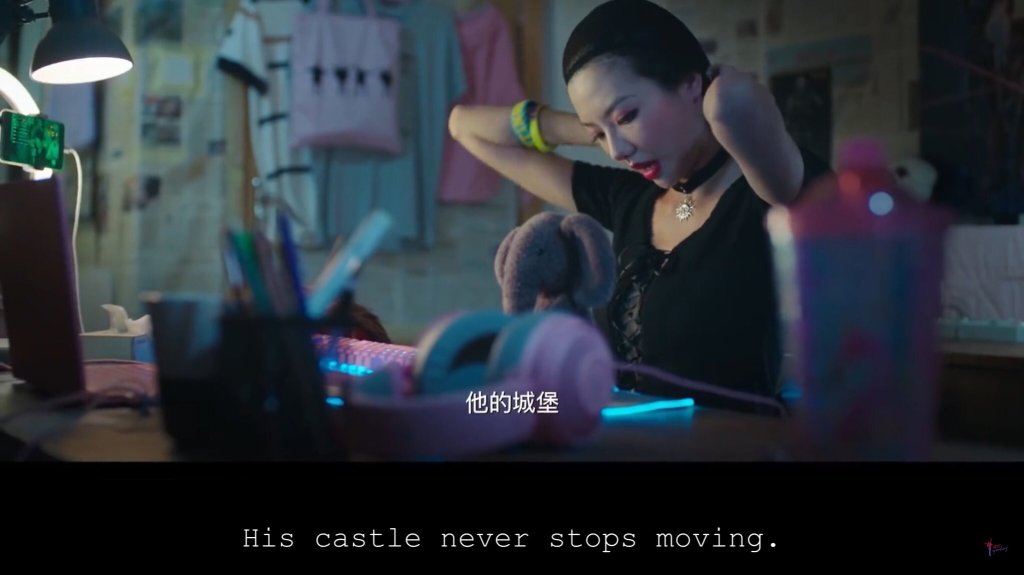
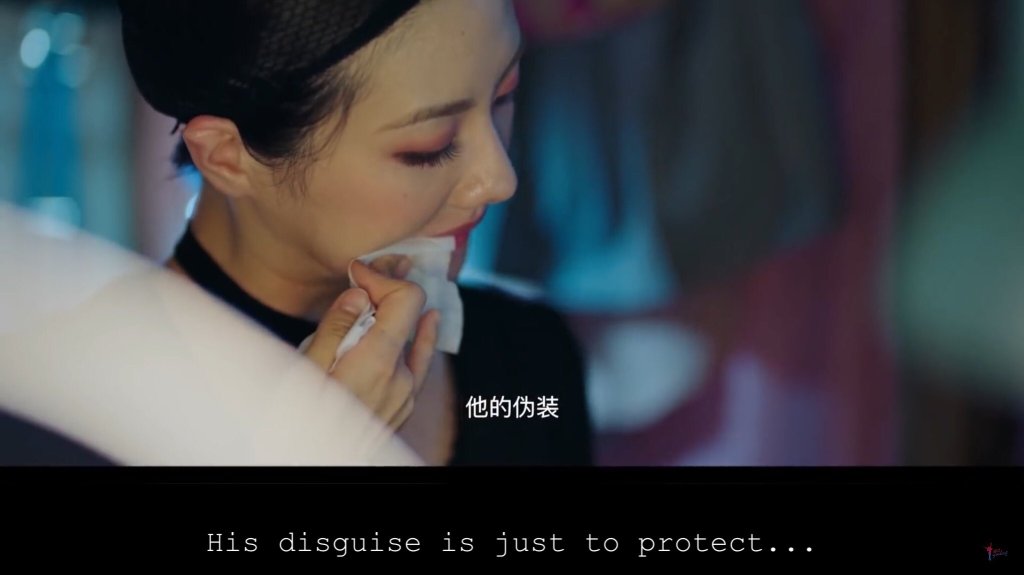
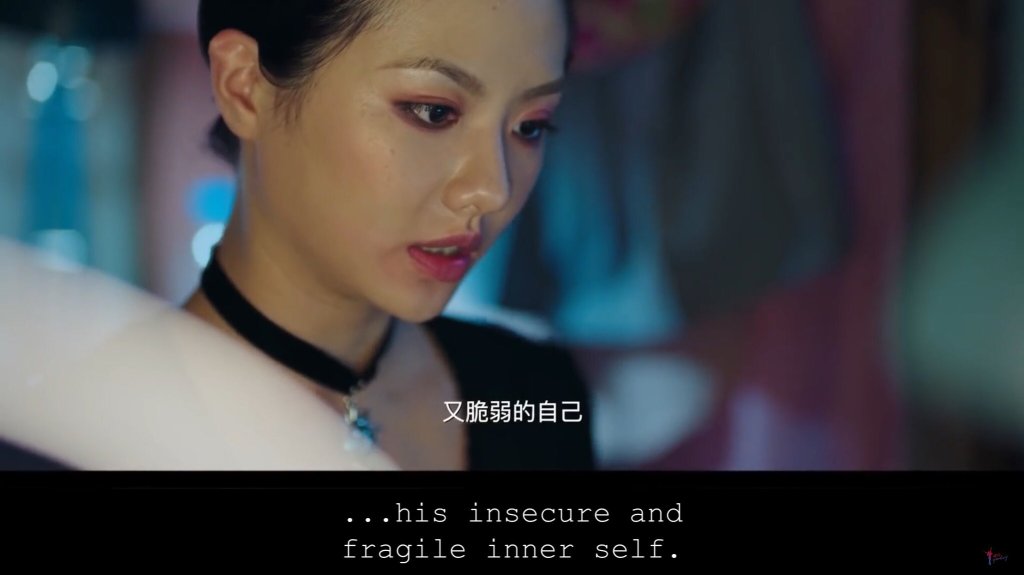

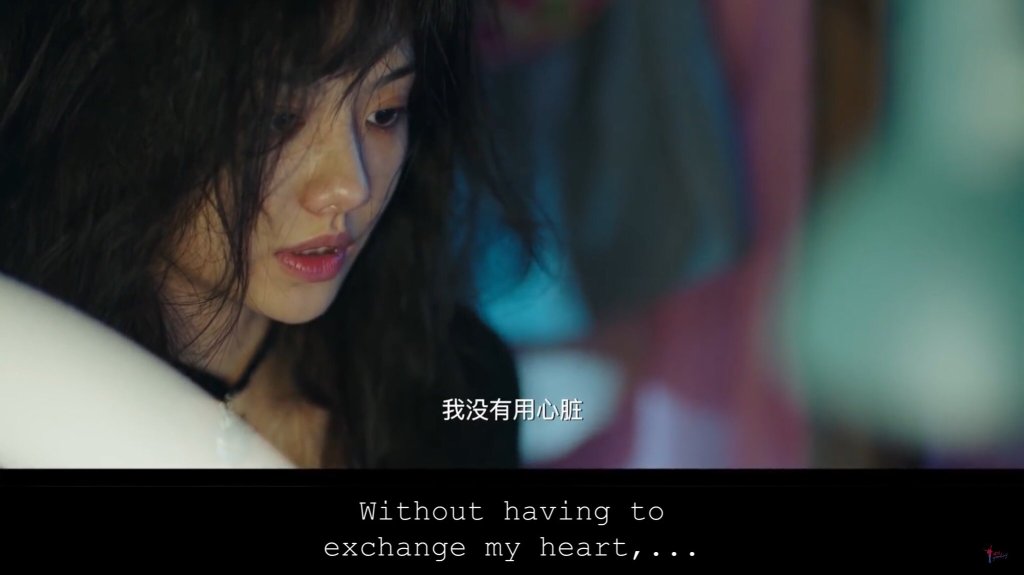
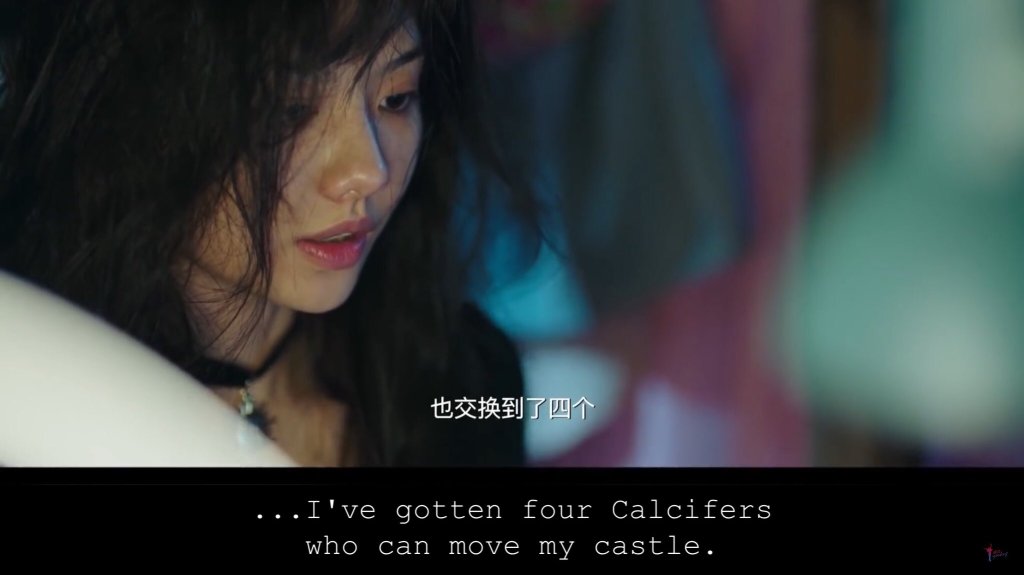

In making the characters so enrapturing, one finds it easier to forgive the faults Cross Fire presents. Though a bit discombobulated and with inconsistent pacing, Cross Fire regains it’s momentum in allowing audiences to experience each character presented as player one; consequently, the team called Continue not only makes an impact in this fictional gaming world, but also in the hearts of viewers who watched it’s origins. Found family and life lessons are the real winners in this gaming world.

Now, this viewer had a very hard time saying goodbye to this gaming world. Personally, when I find a drama that is on another level of delectability, I tend to postpone my finishing of it– I simply do not want it to end. I enjoy the characters, the story, cinematography, and the humor too much to say farewell. However, much like Xiao Bei eventually parts ways with the image of his brother he held onto so tightly, I must also loosen my grip on Cross Fire. I hope Cross Fire becomes a drama others want to hold onto to, whether it be for the multifaceted storyline; the complex grey characters; or simply because of one’s love for gaming (or Wu Lei, hehe). I also hope that this drama sets an example for future gaming drama endeavors; gaming can be and is so much more than just computers, fake worlds, and shouting. Gaming affects so many aspects of life and has the ability to spice up world building within dramas when effectively written.

As someone who is not a gamer, watching Cross Fire made it very apparent that a special camaraderie forms within the long hours, grueling battles, and long-deserved wins of the gaming world. I am not quite sure if another gaming drama will catch my eye soon, but I am certain of one thing: my journey with the genre is to be continued.
Finished on: 5/10/2021
Tracked Themes:
- what is family
- normalcy
- ableism in virtual worlds
Rating: ⭐️⭐️⭐️⭐️⭐️/5 stars
Recommend? Y/N
“youth is about not giving in.”
– Cross Fire (2020)
If you like Cross Fire (2020), then I recommend:

for the multiple timelines and action

for the found family
for the underdog redemption
 Grow the Roses