
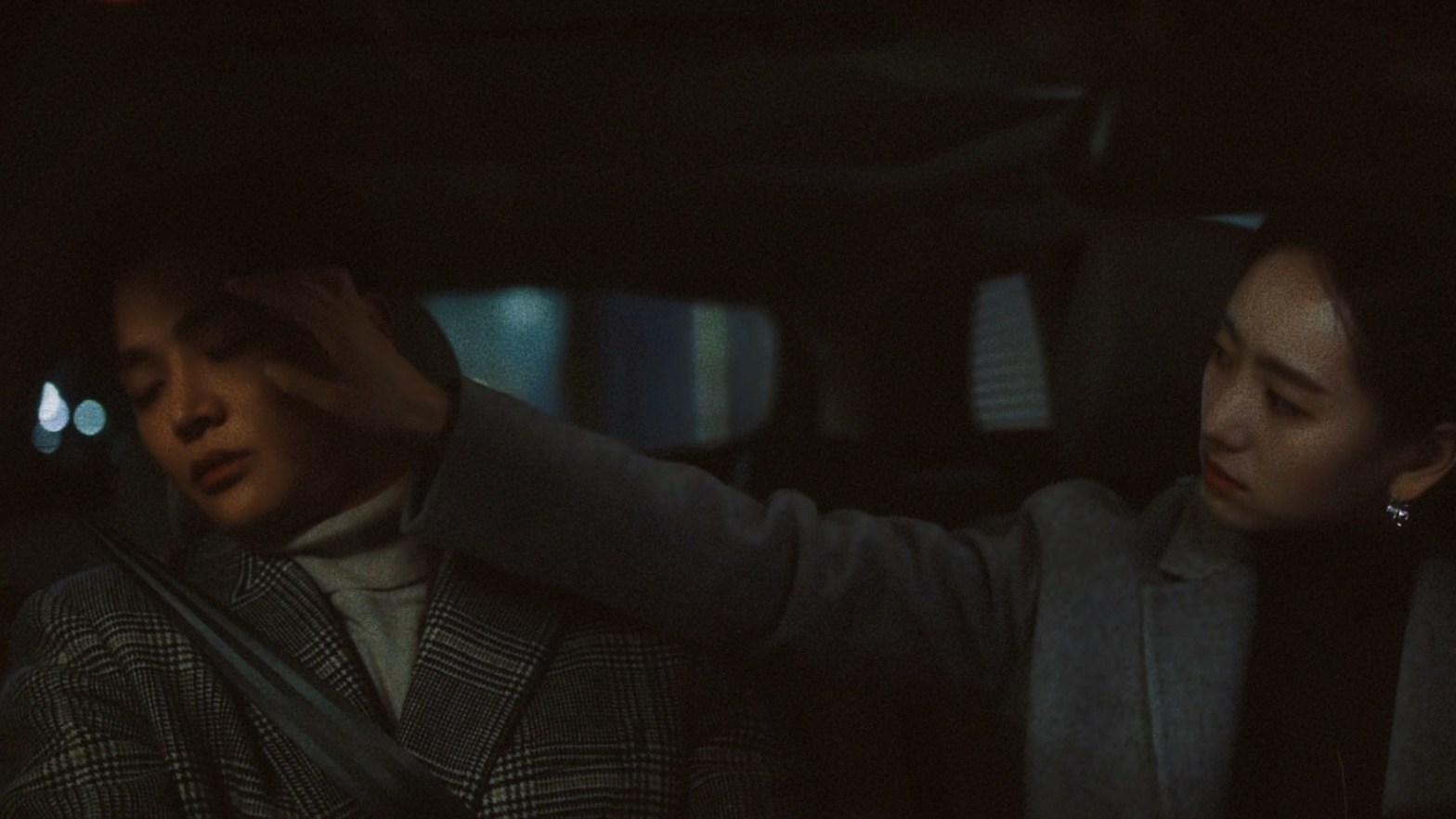
“Showcased by each relationship in She Would Never Know, every person loves and reacts to being loved differently. Modern capitalistic society labels change and difference as negative and undesirable when in reality, it is what creates happiness and depth in ourselves and our relationships. Just as each of our skins need a different regime to keep it healthy, each of our hearts needs different care and steps to keep it beating.”
Now more than ever, it seems that make-up and the social norms that come with it affect and dominate over people’s perceptions of others and themselves. With the rise of TikTok, Instagram, YouTube, and many other social media platforms, the importance of being trendy and “sickening,” as Gen Z slang calls it, crowds media feeds and minds. So, as a result, when JTBC announced a make-up centered drama set for broadcast in early 2021, I was immediately interested; would it touch on the toxicity of beauty standards?

She Would Never Know skirts by this opportunity, but opens the door (or compact) to other societal critiques— ageism, business corruption, toxic capitalism, and, most evidently, the oversimplification of what it means to love. Stereo-typically, love is romanticized as an everlasting, defined element of life in books, television, and movies. With the over saturation of these love stories, many seem to have one conception of what love should be— fireworks and a foot pop as we kiss at midnight. When, as this drama showcases, the word love is simply a place-holder for an intense range of emotions, actions, and moments that are different to everyone. Love holds different consequences, values, and sentimentality for each person that walks down the road, which makes its portrayal in She Would Never Know refreshing.
Among the dreamy color palettes and top notch fashion, She Would Never Know’s viewers discover a vast representation of what it means to love in our modern world. The drama’s characters explore the ways in which humans love along with how to make the hottest lip stain of the winter season. The drama erases the shallow, fragile rules society creates in its media about love and in their place welcomes the idea that love is all about you, what you need, and what you are comfortable with; as you change, the love you give and receive should too. This message encourages viewers to break away from stereotypes and normalcy in favor of ingenuity and individualism.
She Would Never Know is a 2021 South Korean drama set in modern Seoul proper at a growing and trendy cosmetics company called KLAR . Song-ah, the female lead, is a lead marketer at the company and her junior, Hyun-seung, has an intense crush on her. He discovers that her current boyfriend, Jae-shin, who is another higher up at the company, has a huge secret that will break Song-ah to pieces— he is engaged to another woman. In an attempt to protect her, Hyun-seung tells her the truth and the two decide to start a fake relationship to get revenge. However, cheating and fake dating are only two of the love representations seen over this sixteen episode drama.

Along with the aforementioned fake dating and cheating, viewers witness discoveries of self love; of love reformed; and of familial love. Song-ah journeys down a path of self-love as she heals from her previous relationship. Audiences first see a reserved Song-ah pushing Hyun-seung away as he shamelessly chases her. In a pivotal moment, she claims her heart is not big enough for his love when she truly could not fit herself in her heart. Then, near the end of the drama, a reformed Song-ah becomes the chaser as she changes from a woman who broke up with her lover because she claimed they would never be able to see each other enough, to a woman who exclaims that just being able to see him at a glance would be enough.


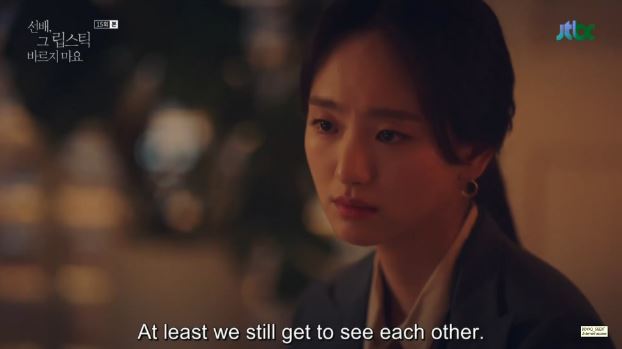
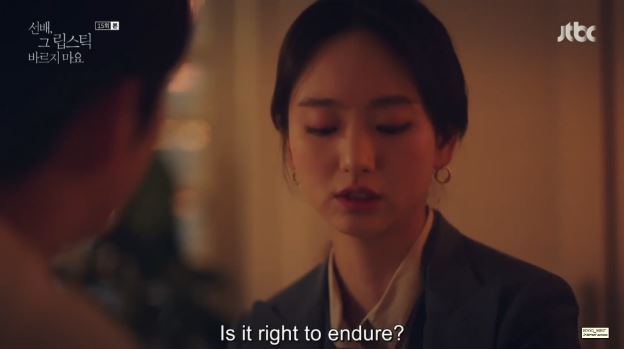
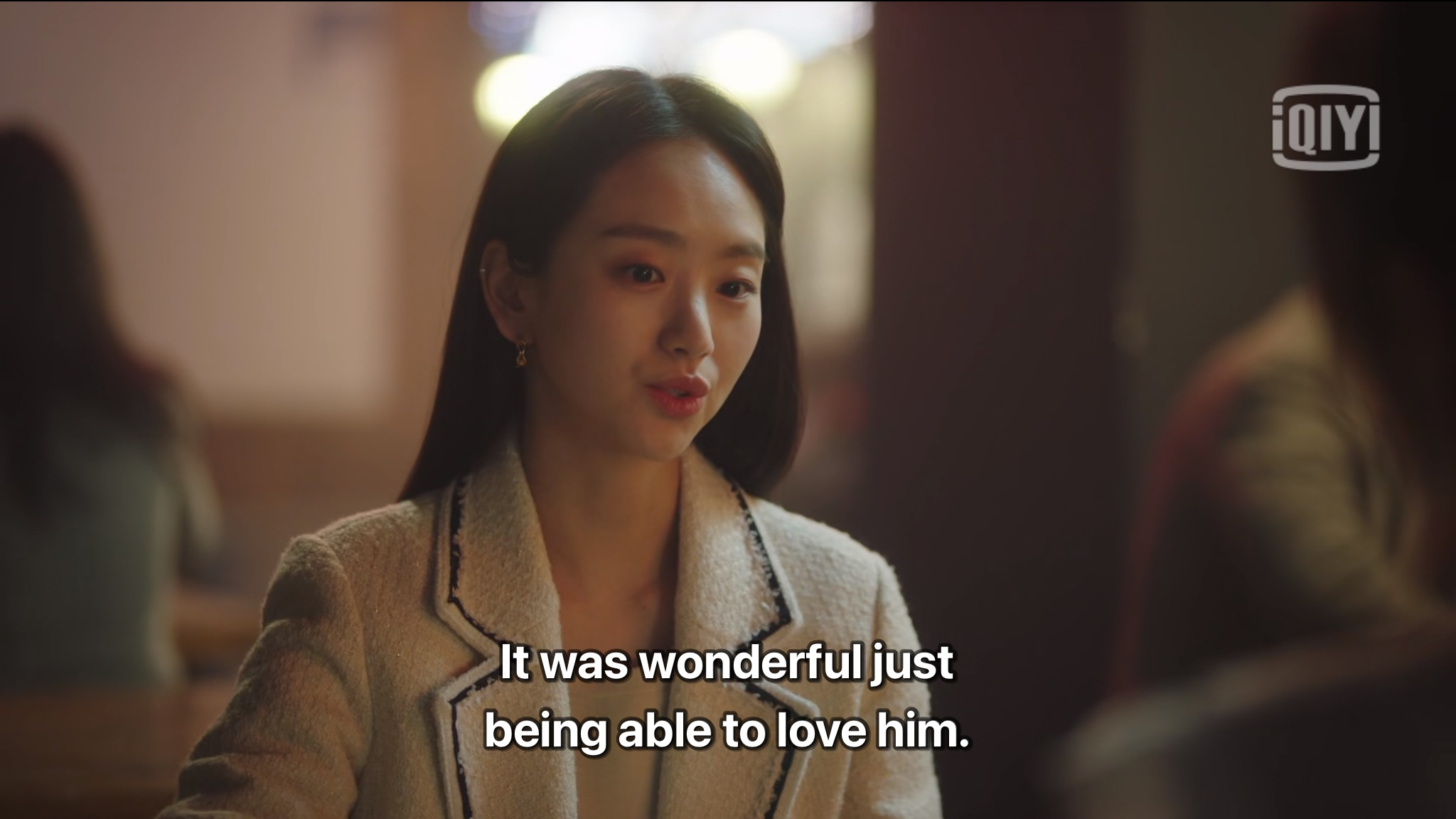
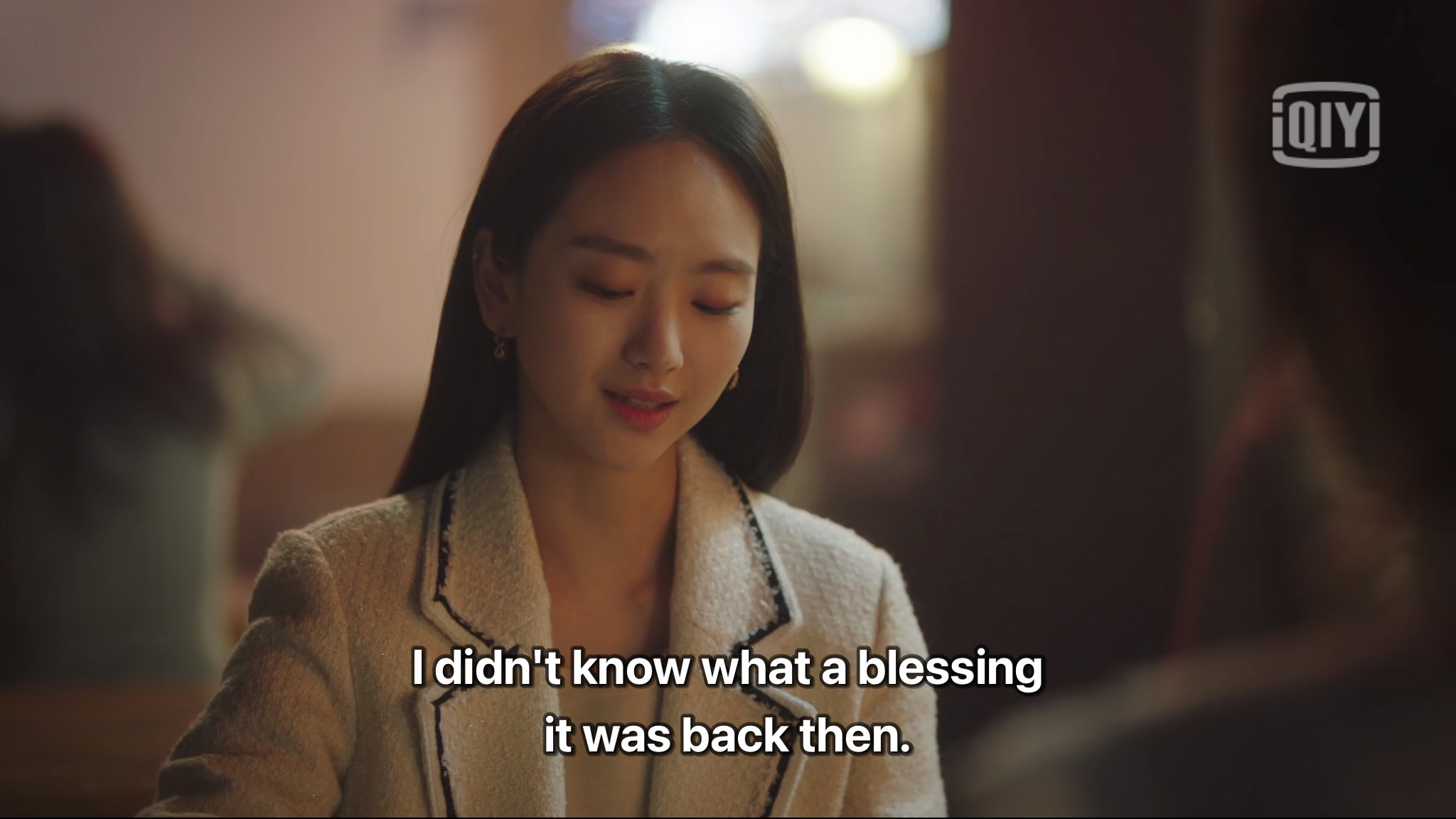

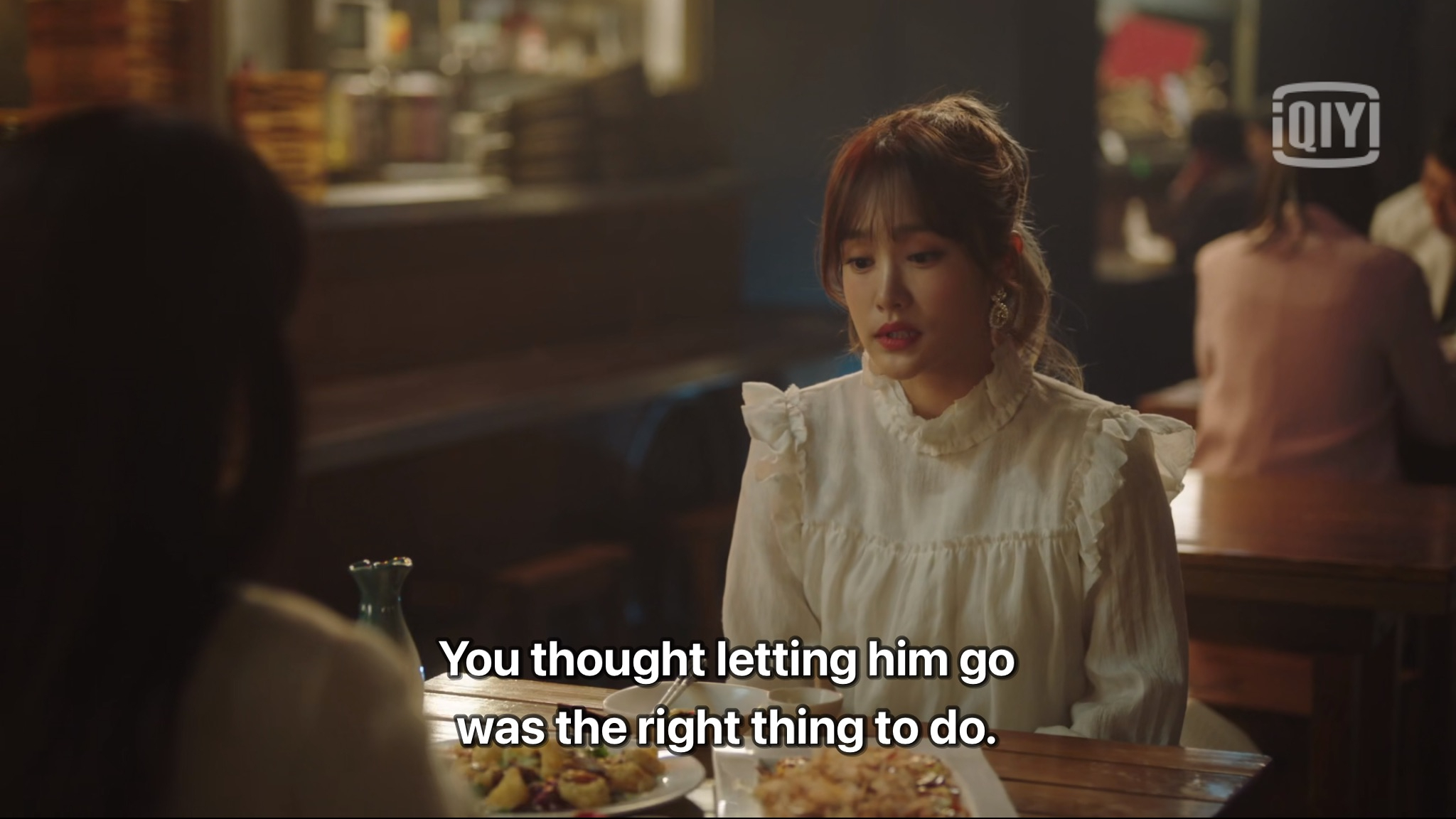
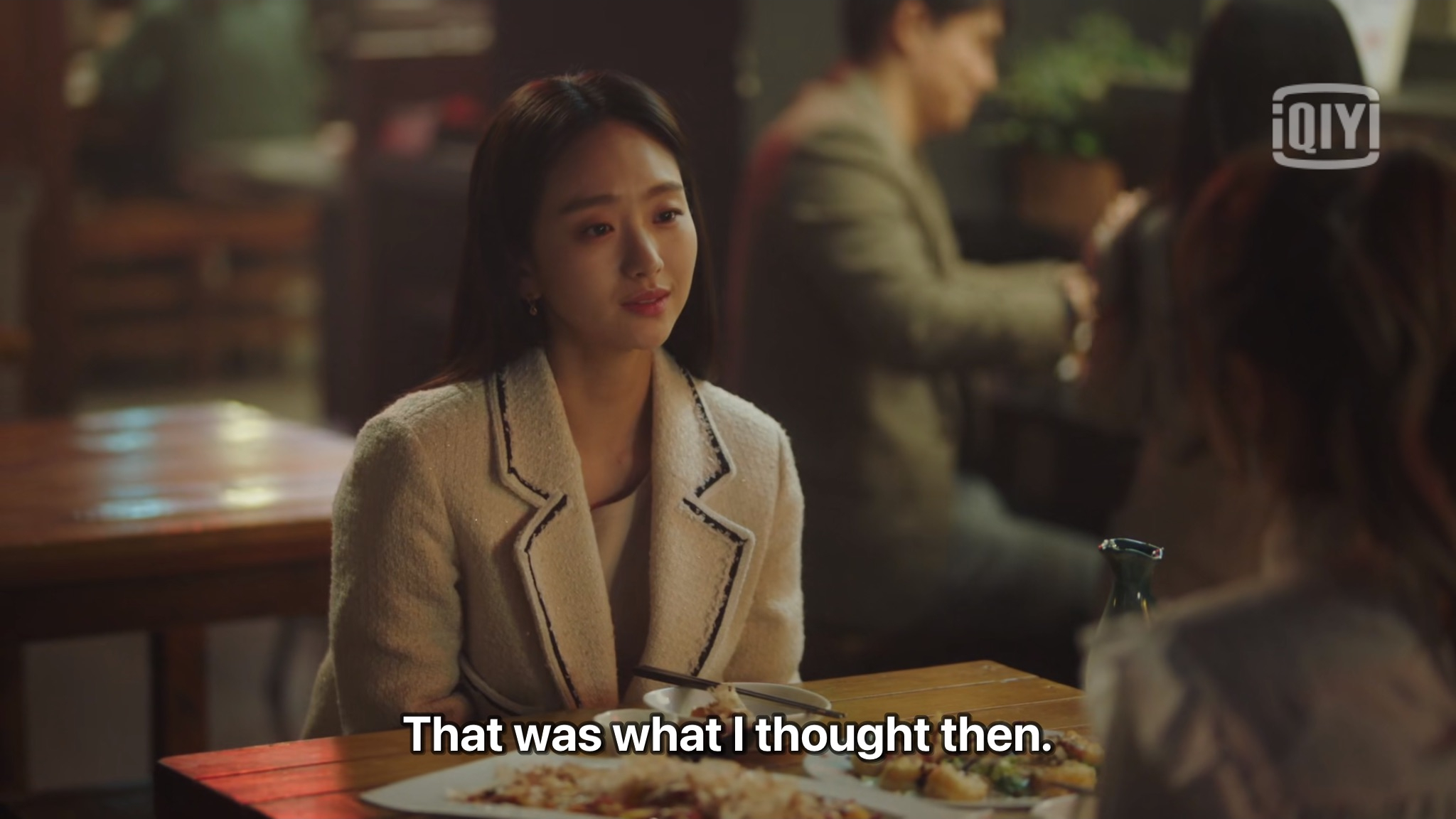
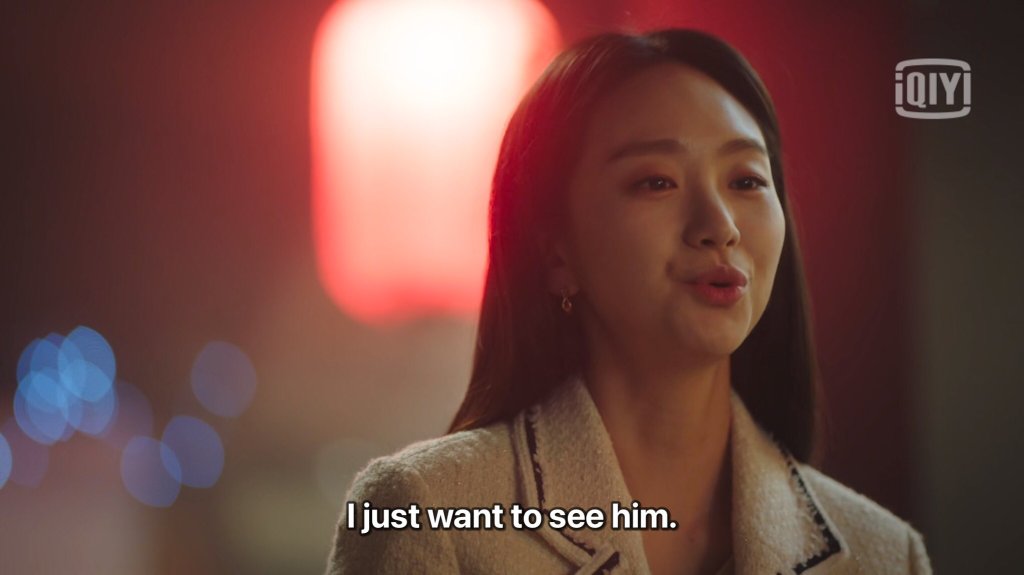
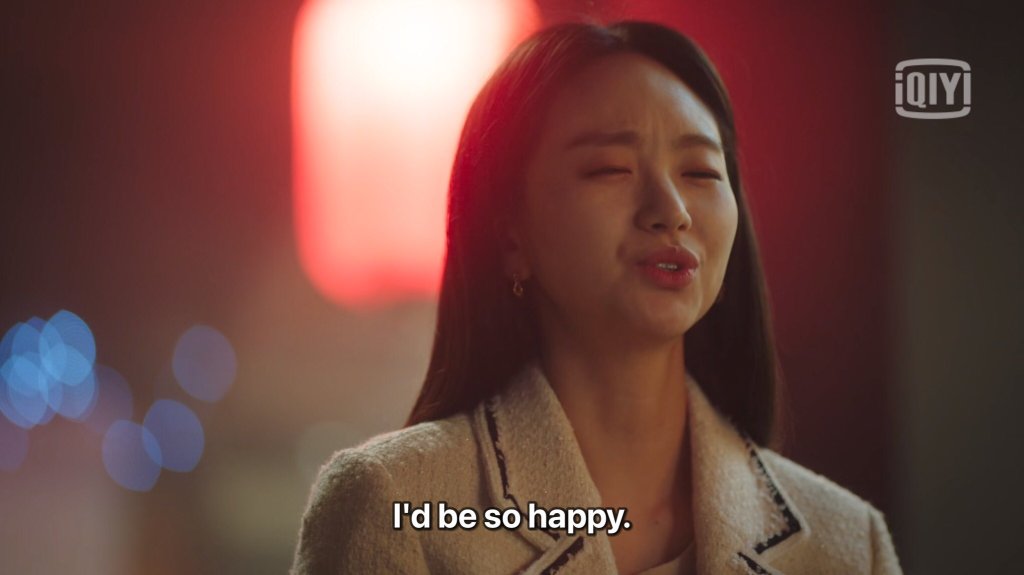
Hyun-seung shamelessly and honestly loves Song-ah with no secrets or embarrassment, whereas Jae-shin loved Song-ah with only self preservation in mind. Song-ah retains remnants of both these ways of loving but remains uniquely her own as she works to rebuild her relationship with Hyun-seung. In episode sixteen, Song-ah finally cements her acceptance of all the change around her when she proclaims to want to see all four seasons with Hyun-seung; the greatest change in nature is the passing of the seasons so through all the change around them, Song-ah wants to remain with her lover.
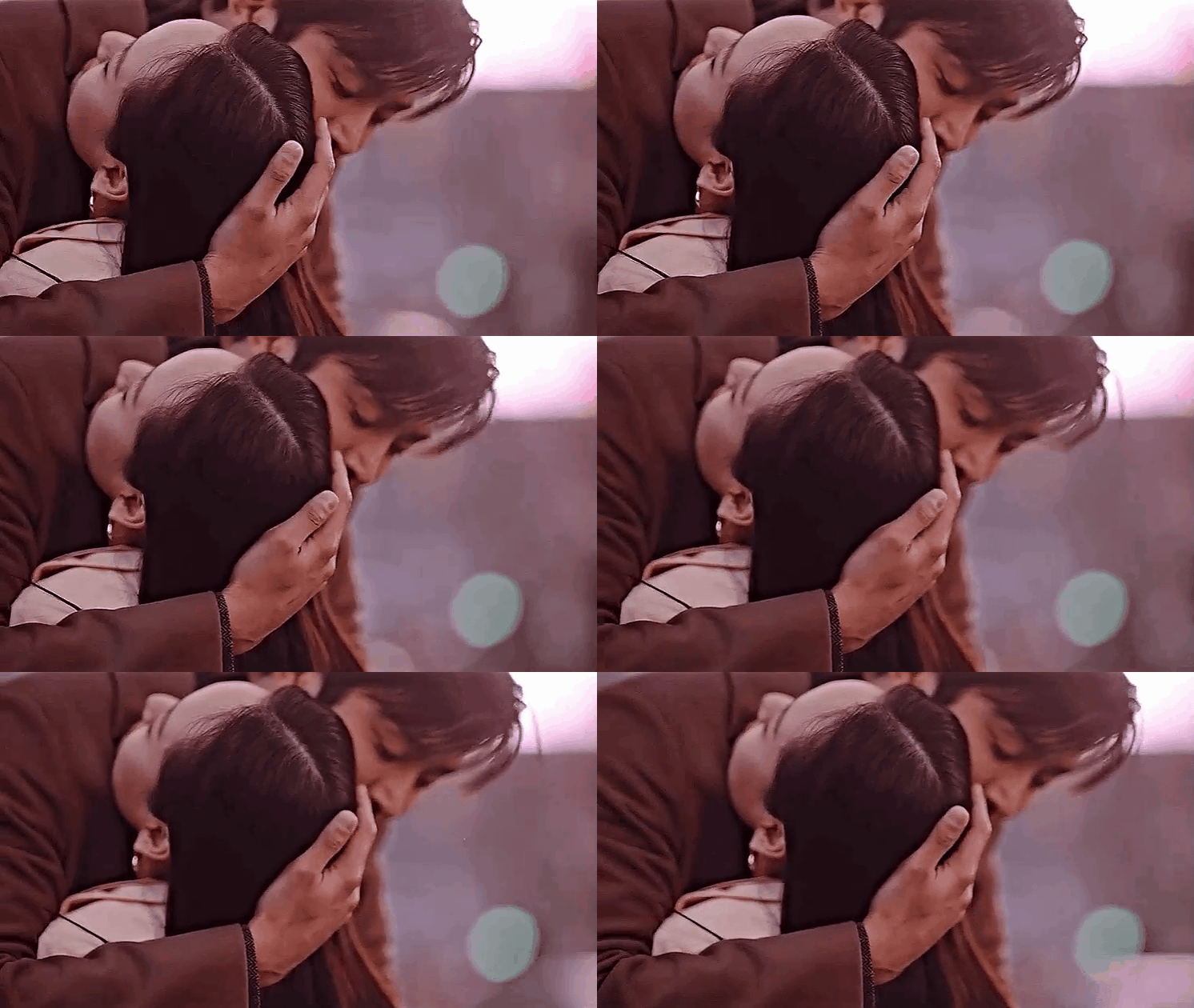
“I want to spend all four seasons with you.” – E16
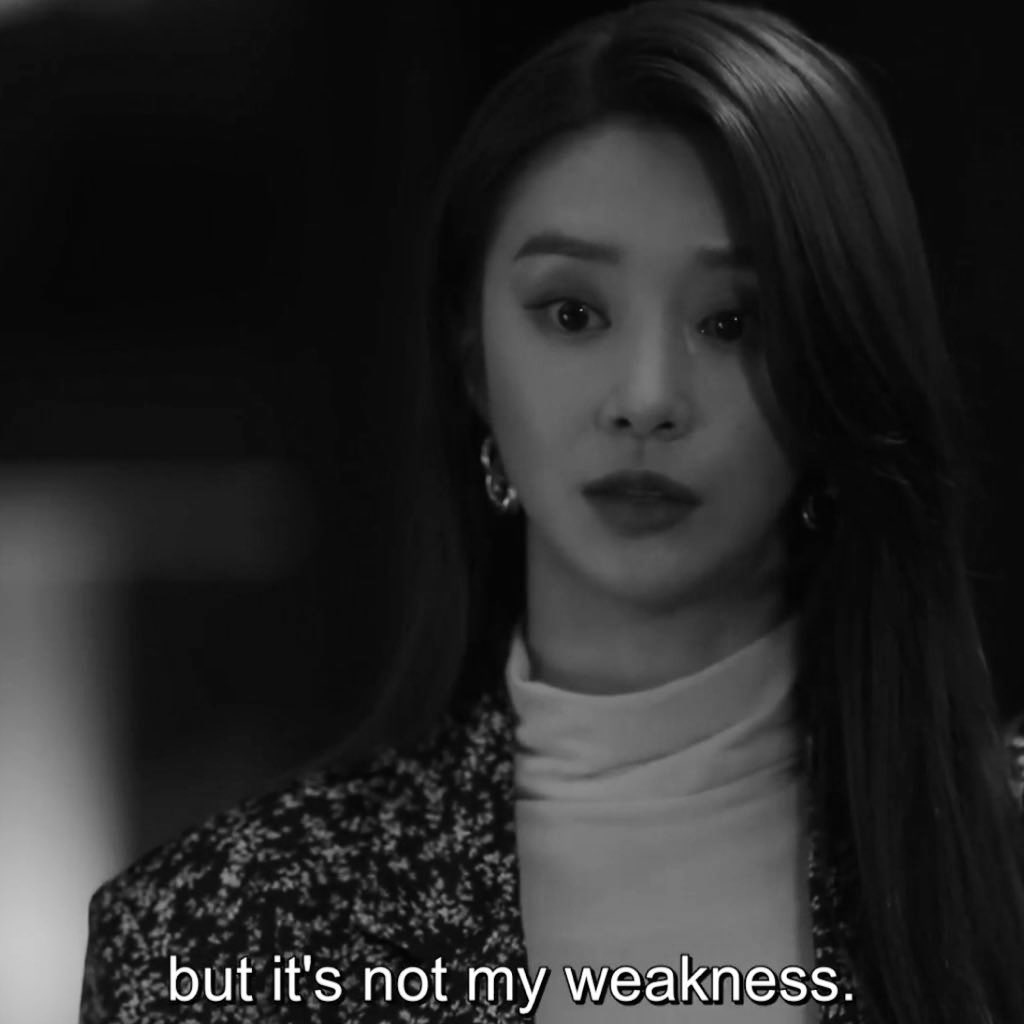
Besides Song-ah’s tale of abandoning her walls and learning to love others and herself through the seasons, another tale of self-love comes in the form of the second female lead, Lee Hyo-joo, the woman Jae-shin is engaged to. Hyo-joo has no walls in terms of her love; nothing is too extreme for her as long as she has Jae-shin. Hyo-joo’s toxic methods lead to self harm and pain as Jae-shin struggles to leave her. Her character confuses love with possessiveness and she eventually loses all semblance of herself trying to keep him.
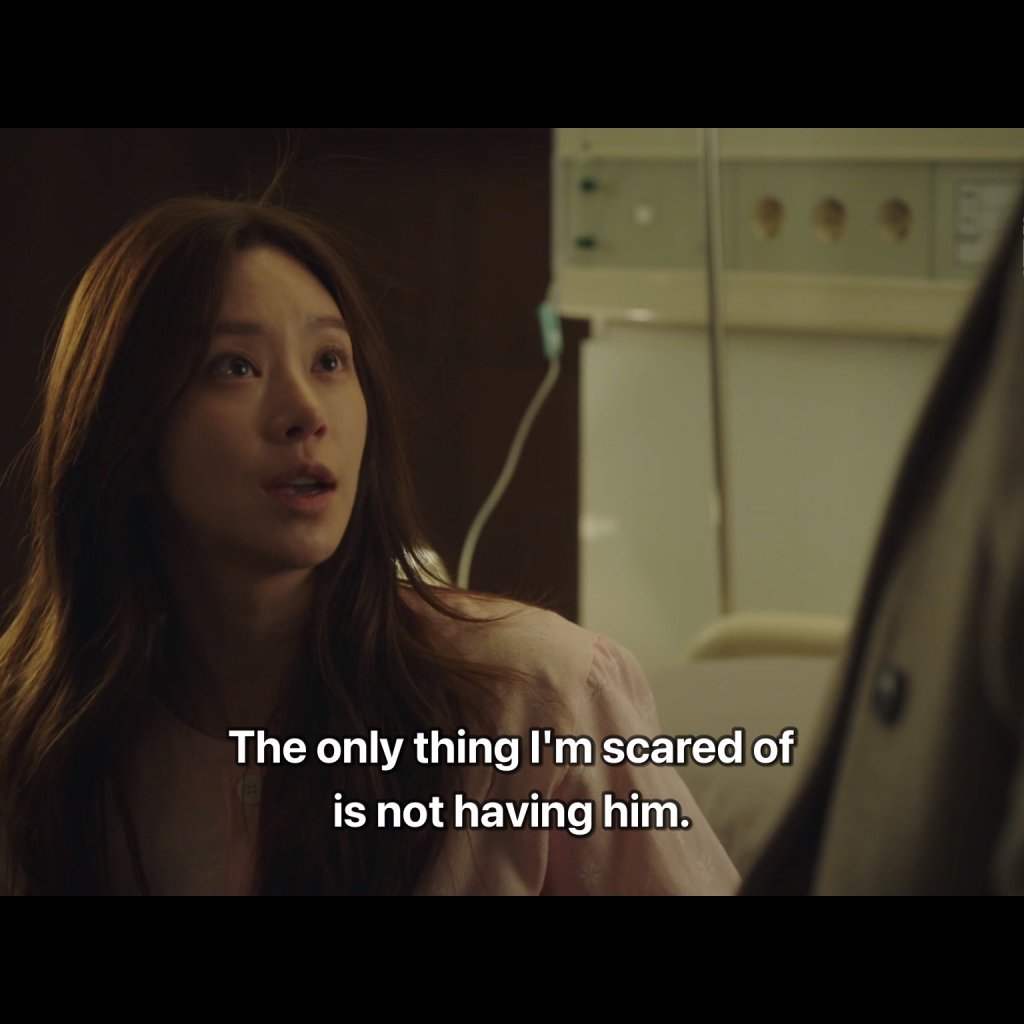

Hyo-joo’s endgame involves her alone— she learns to love and be comfortable with herself. Her character arc shows that love does not have to involve another person to be considered fulfilling and complete. A woman spoiled and privileged enough to receive anything she wants finally receives the gift of self-love, fulfillment, and acceptance. However, these two cases of self-love and acceptance are solely the tip of the iceberg for this drama.



The most intense and resonant story of self-love present in She Would Never Know is that of Hyun-seung’s brother-in-law, Kang Woo-hyun. He and Chae Yeon-seung are married with a young daughter and live a seemingly perfect high class life. Woo-hyun is the head of a successful medical practice and Yeon-seung is a stay at home mother; however, when Yeon-seung becomes close friends with one of her husband’s old college best friends, Woo-hyun’s past catches up to him. Woo-hyun is a closeted gay man and while married to Yeon-seung, he struggles with internalized homophobia in order to fit societal nucleic standards.
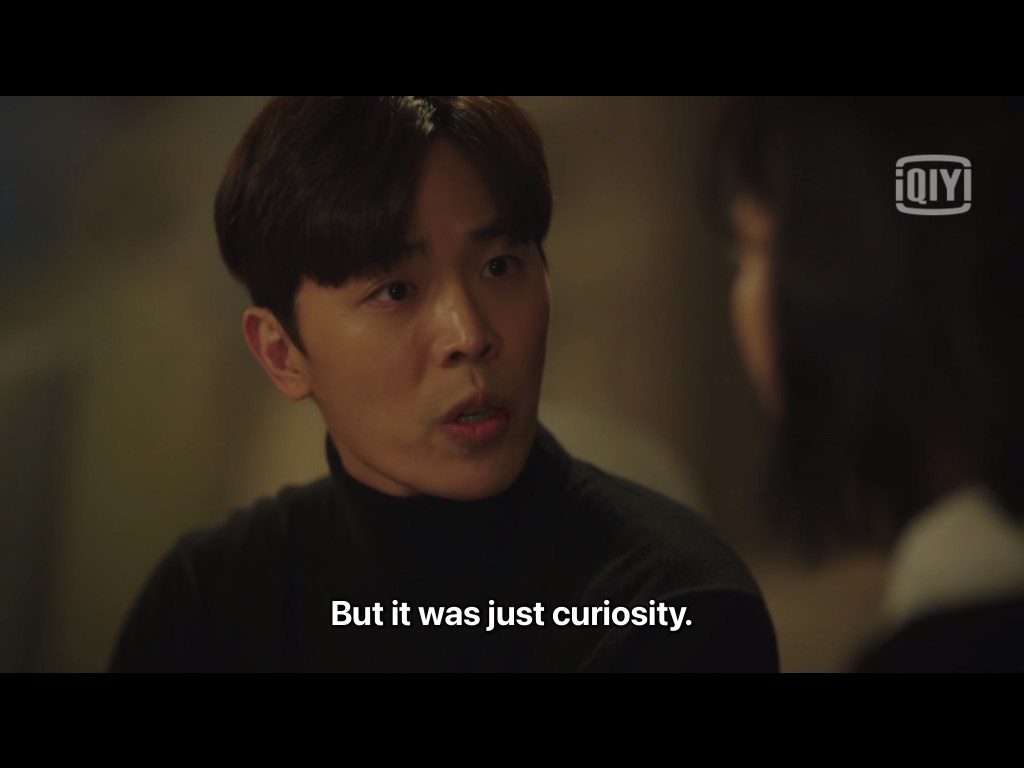

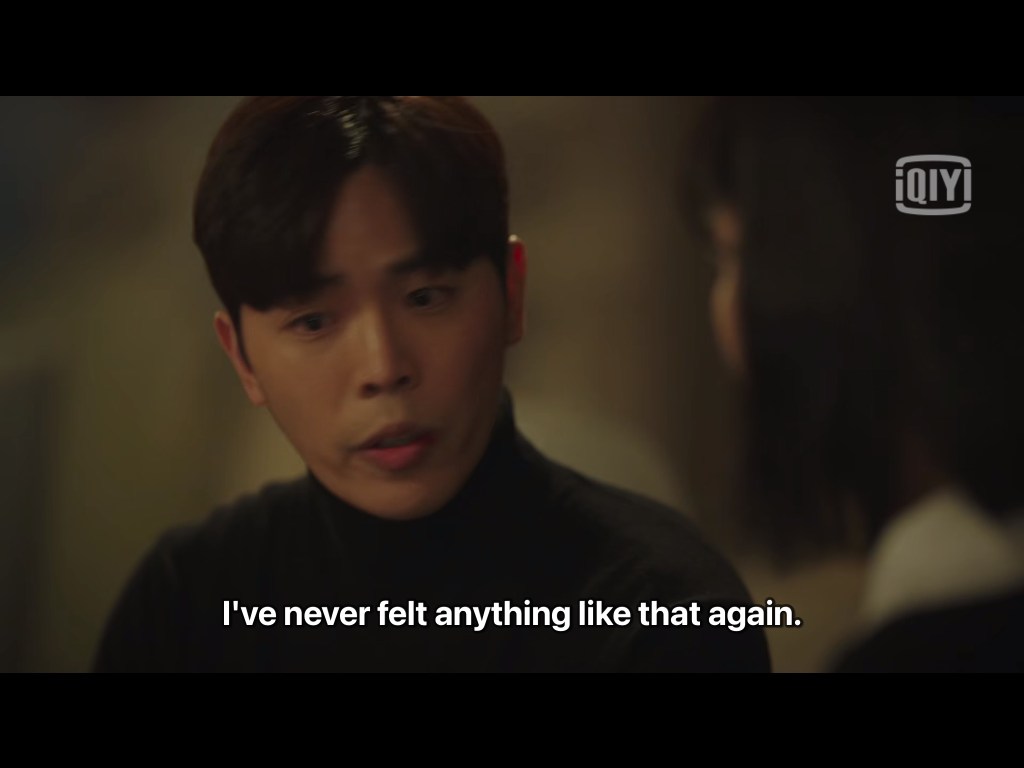
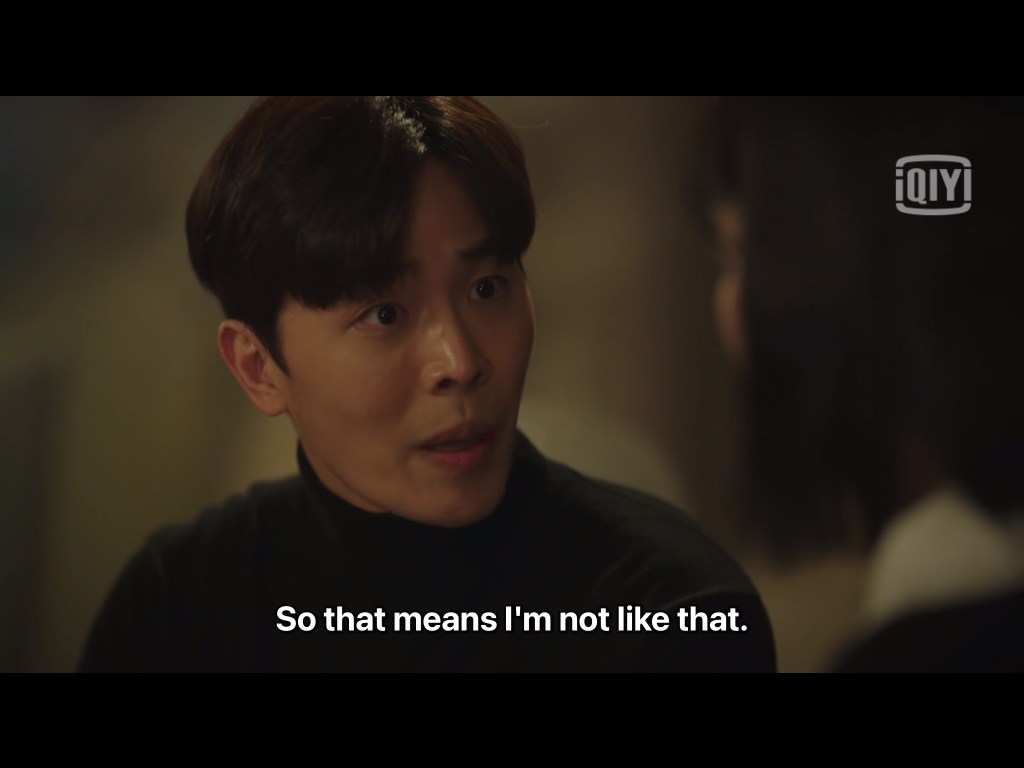
Yeon-seung never expected anything overtly romantic as she thought her husband just loved differently than she did. Love comes in many languages and can be easily mistranslated as seen here. Woo-hyun does love his wife, but his love for her is more for the safety of avoiding ostracization that her presence and title of “wife” brings.

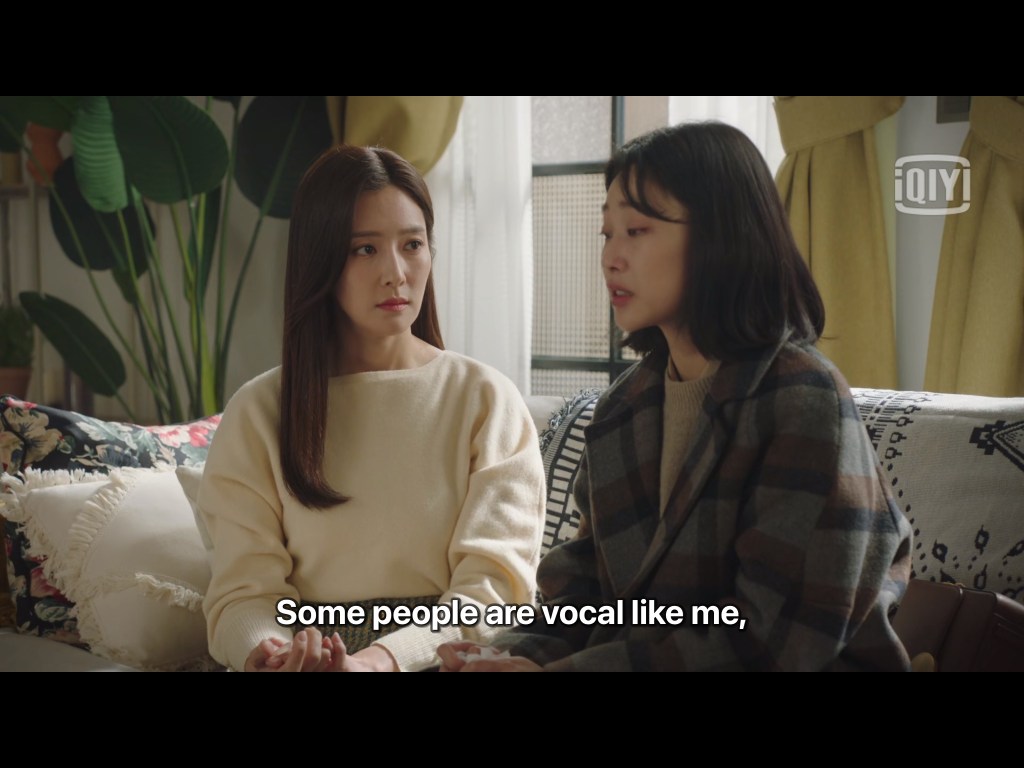
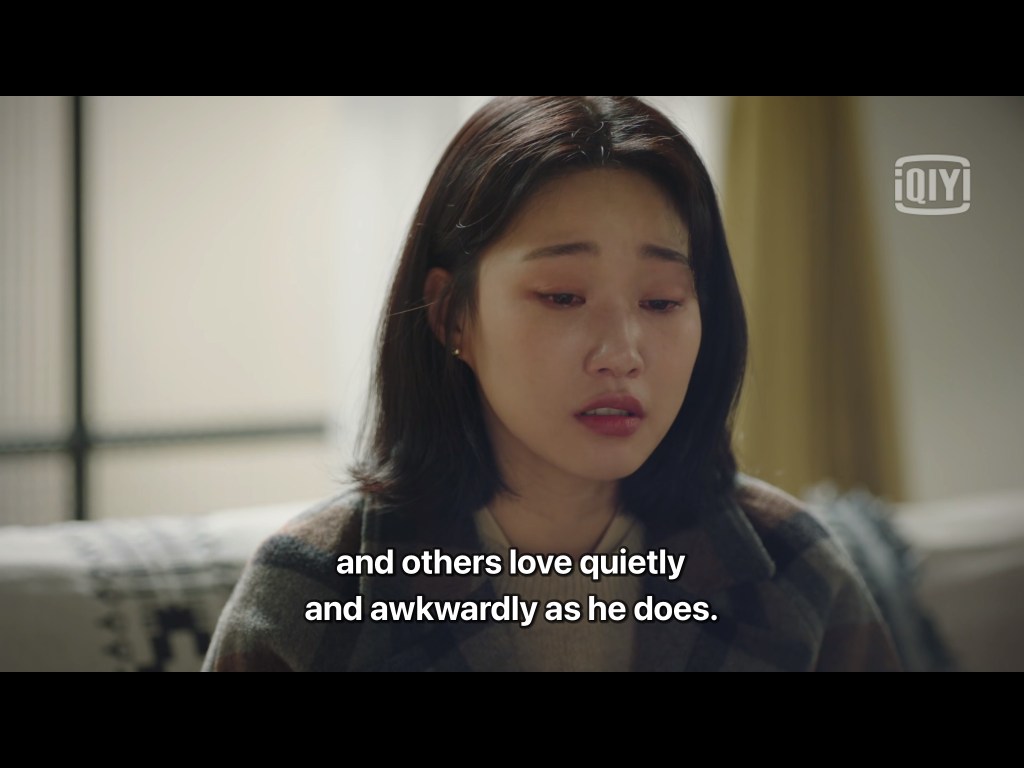

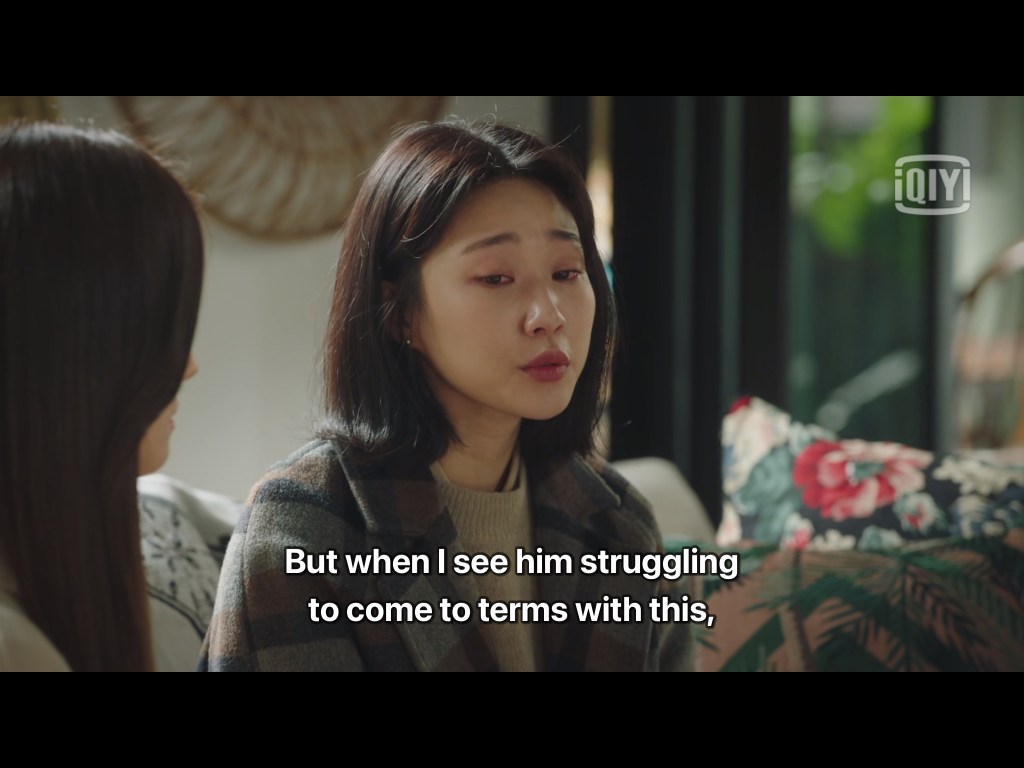
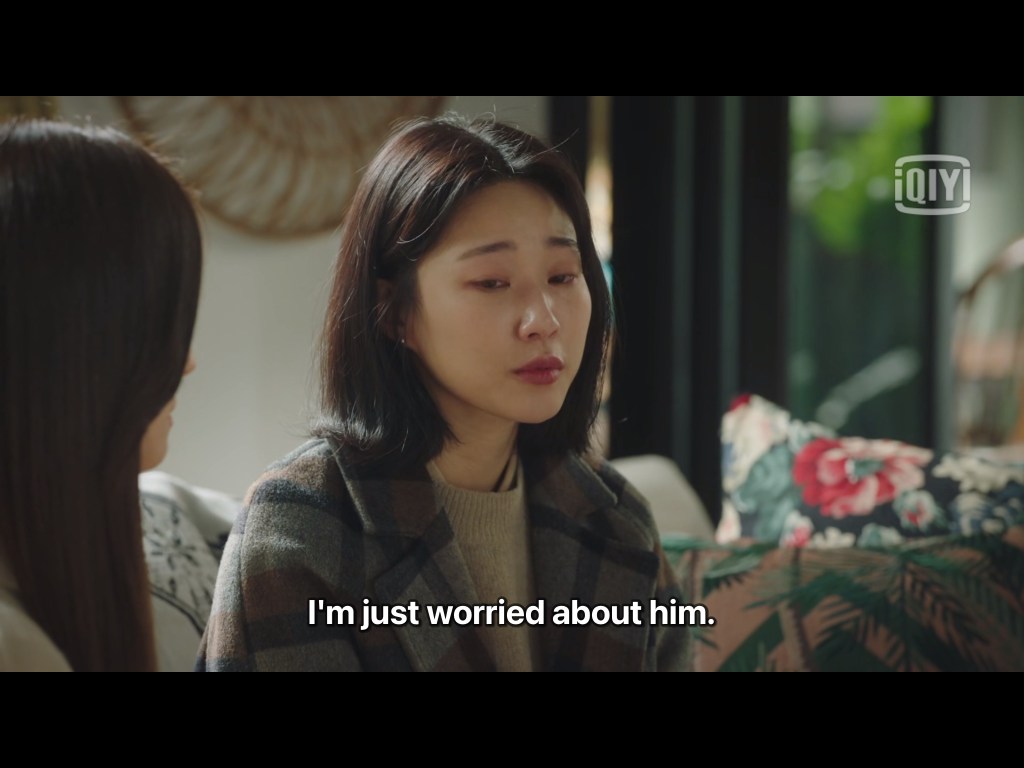
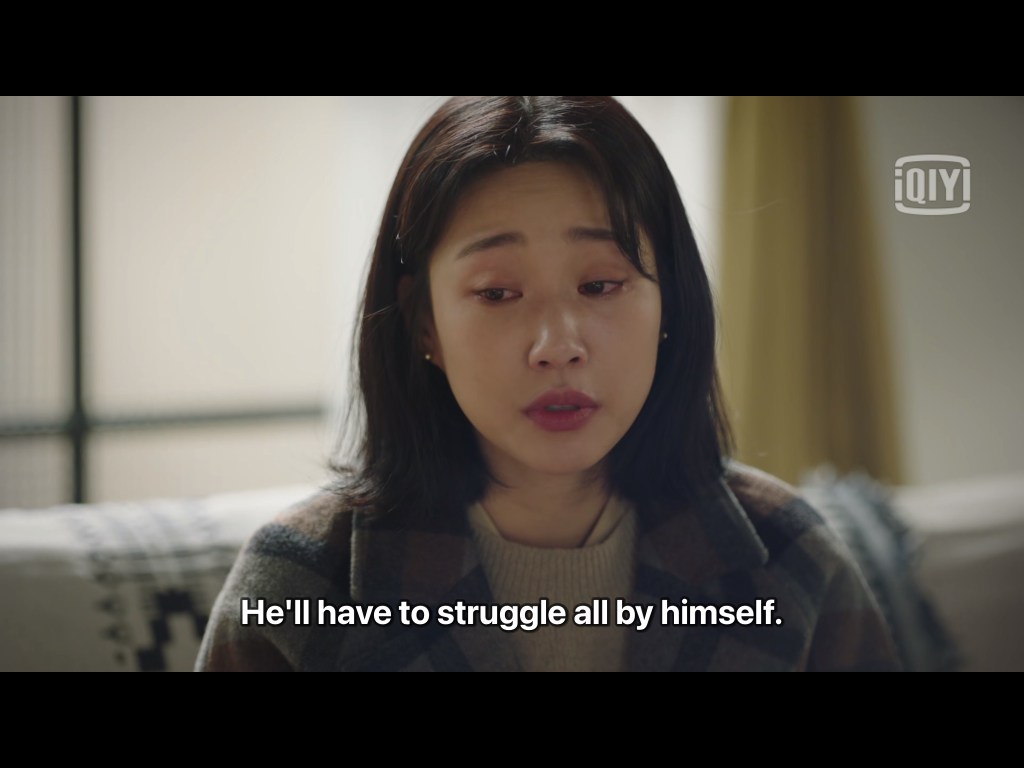
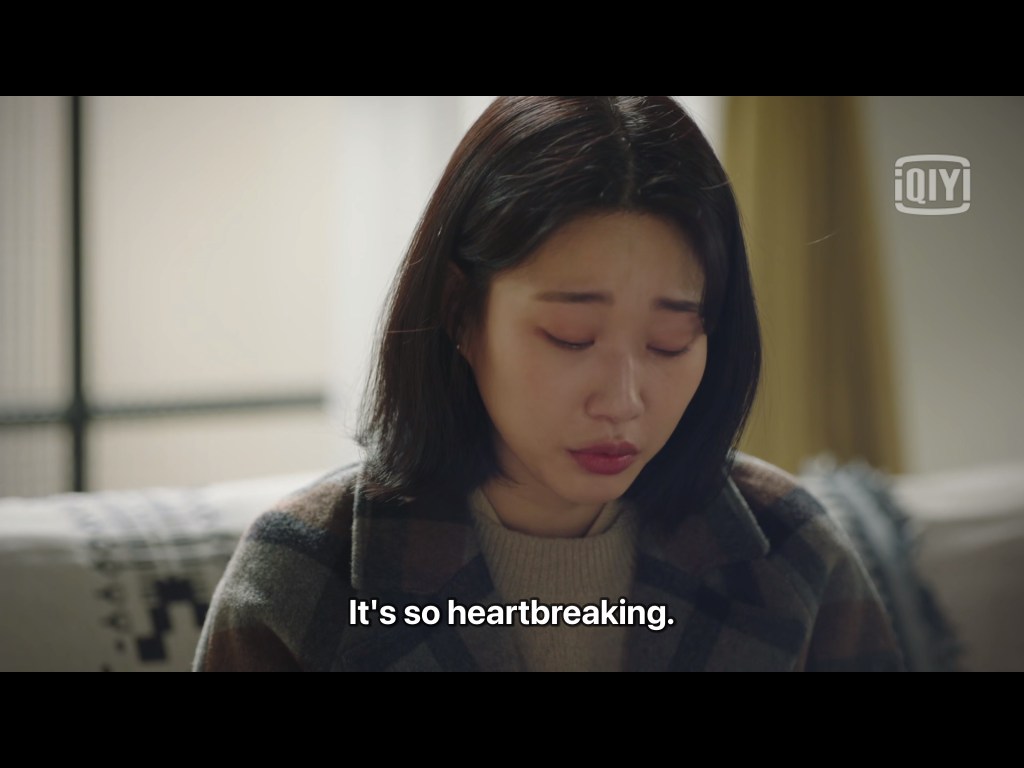
Their relationship is anything but previously thought, and as the drama progresses, this couple transforms from gilded perfection into comforting nets that promise safety for each other. Their love comes not from romance, but the promise of acceptance and help when and until no longer needed. Yeon-seung promises to be his wife until Woo-hyun can dare to be alone with himself and who he is— that is her ultimate gesture of love.
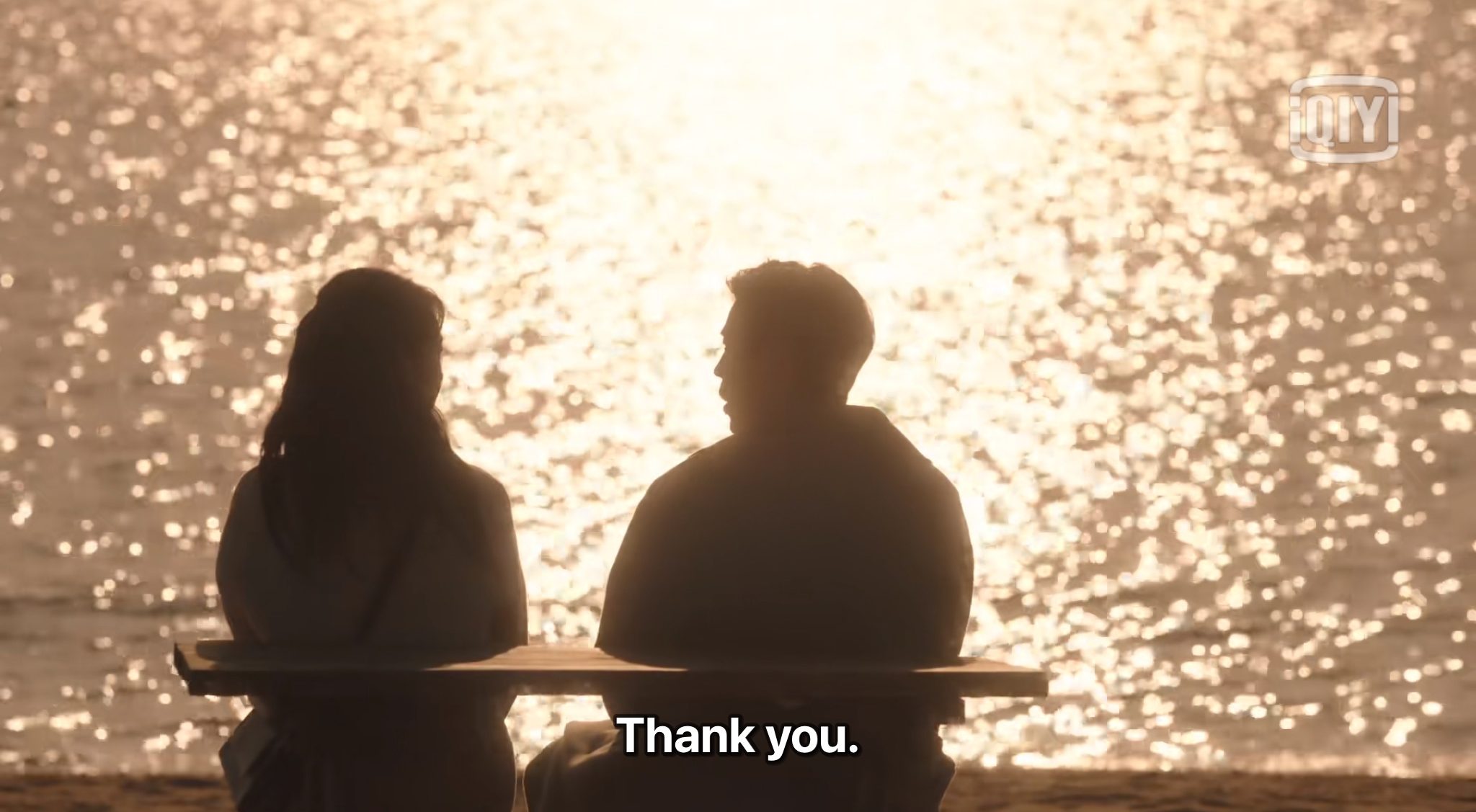
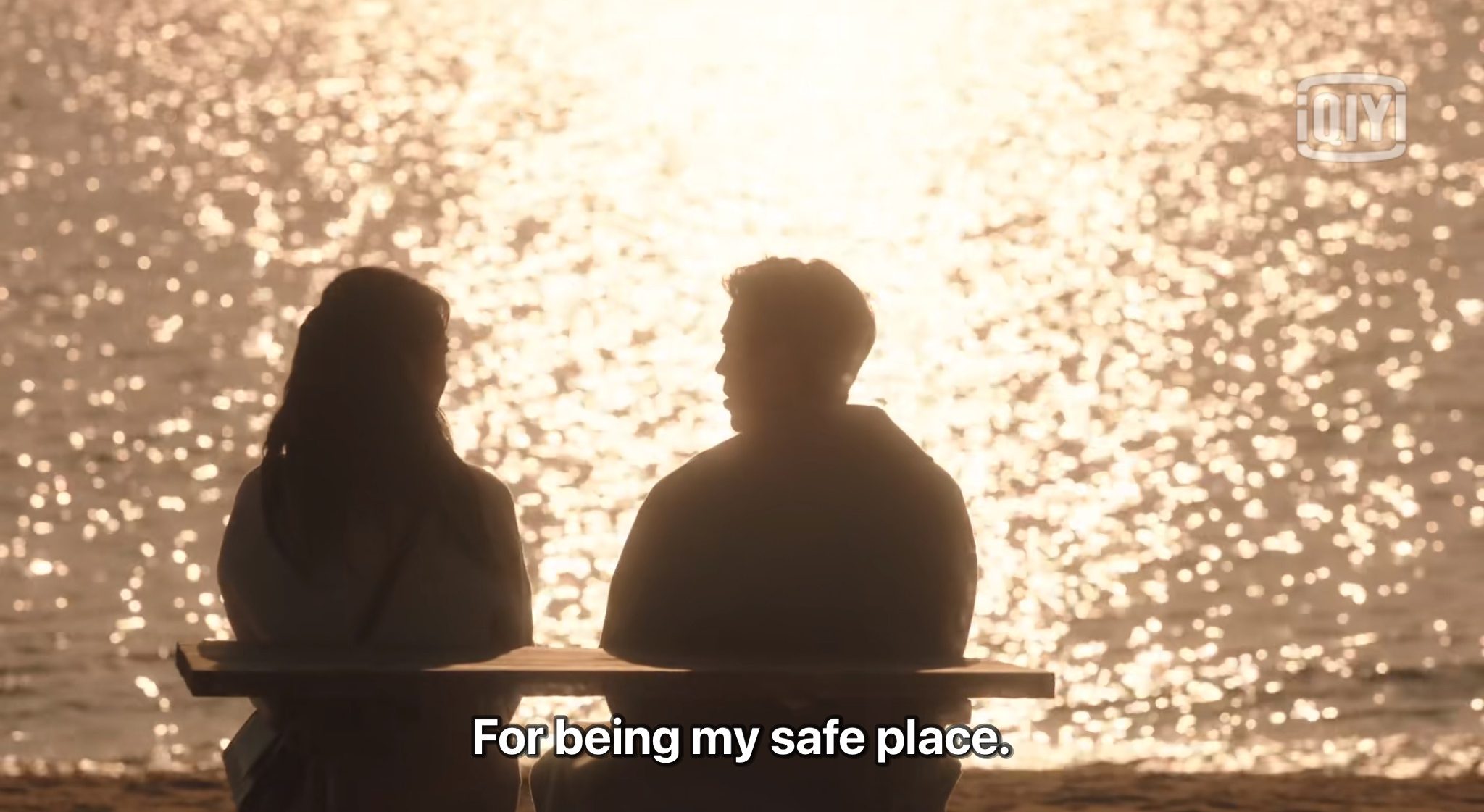

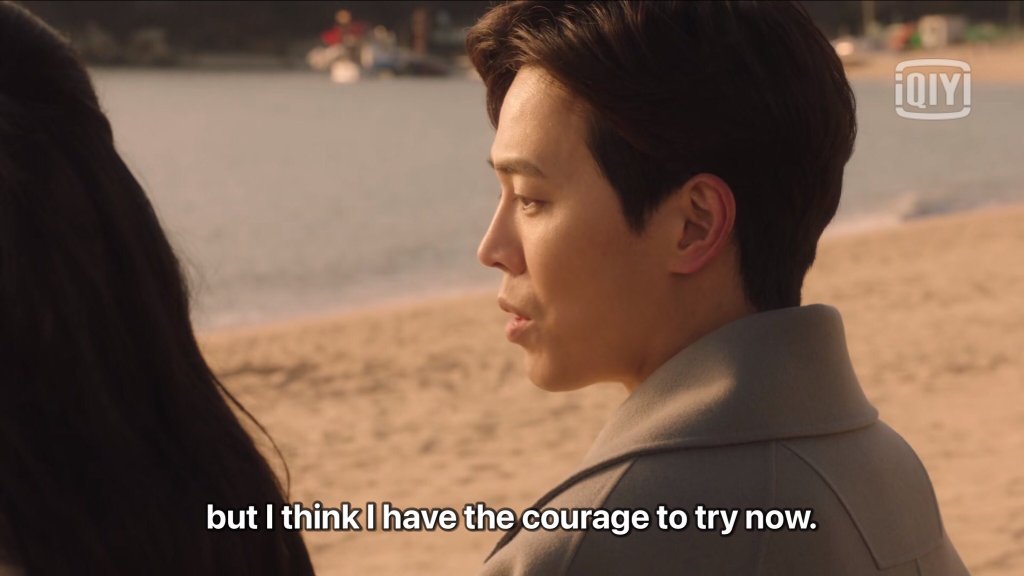
The series ends with the two finally getting divorced after three years of platonic love, but it is not a sad moment; this moment is a catharsis and final act of shedding society’s clothes. It is also the first time audiences see them truly happy with one another. Once stripped into its raw form, their love brings the warmth of acceptance and contentment, which highlights how love is not stagnant; it changes just as the moon and sun continuously shift in the sky above our heads. Just because our love changes does not mean it is over, it may turn into something better.

Love ebbs and flows like the tide, never staying still, just as people change every second. She Would Never Know shows many romantic couples whose love changes, but besides them, there are familial love changes as well. There are four main familial units in the drama— the Chae siblings; Hyo-joo and her brother; Song-ah and her mother; and Jae-shin and his parents. The Chae siblings are the reflection of the perfect siblings; they eat out together often, share their problems with one another, and take pride in their relationship.

Hyo-joo and her brother also attempt to fit the perfect sibling mold; they support each other, live together in harmony, and have each other’s backs. However, this attempt at perfection actually damages and distances the two; Hyo-joo hides the flaws of her life from her brother and he sits in blissful ignorance. Her life crashes down and only then does Hyo-joo’s brother realize how little of her he truly knows. These two loved the idea of showing as perfect so much it hurt their familial bond, but once they accept imperfection do these two actually grasp what it means to be siblings. This acceptance of imperfection continues on into the last two familial units seen in the drama– Song-ah and her mother as well as Jae-shin and his parents.
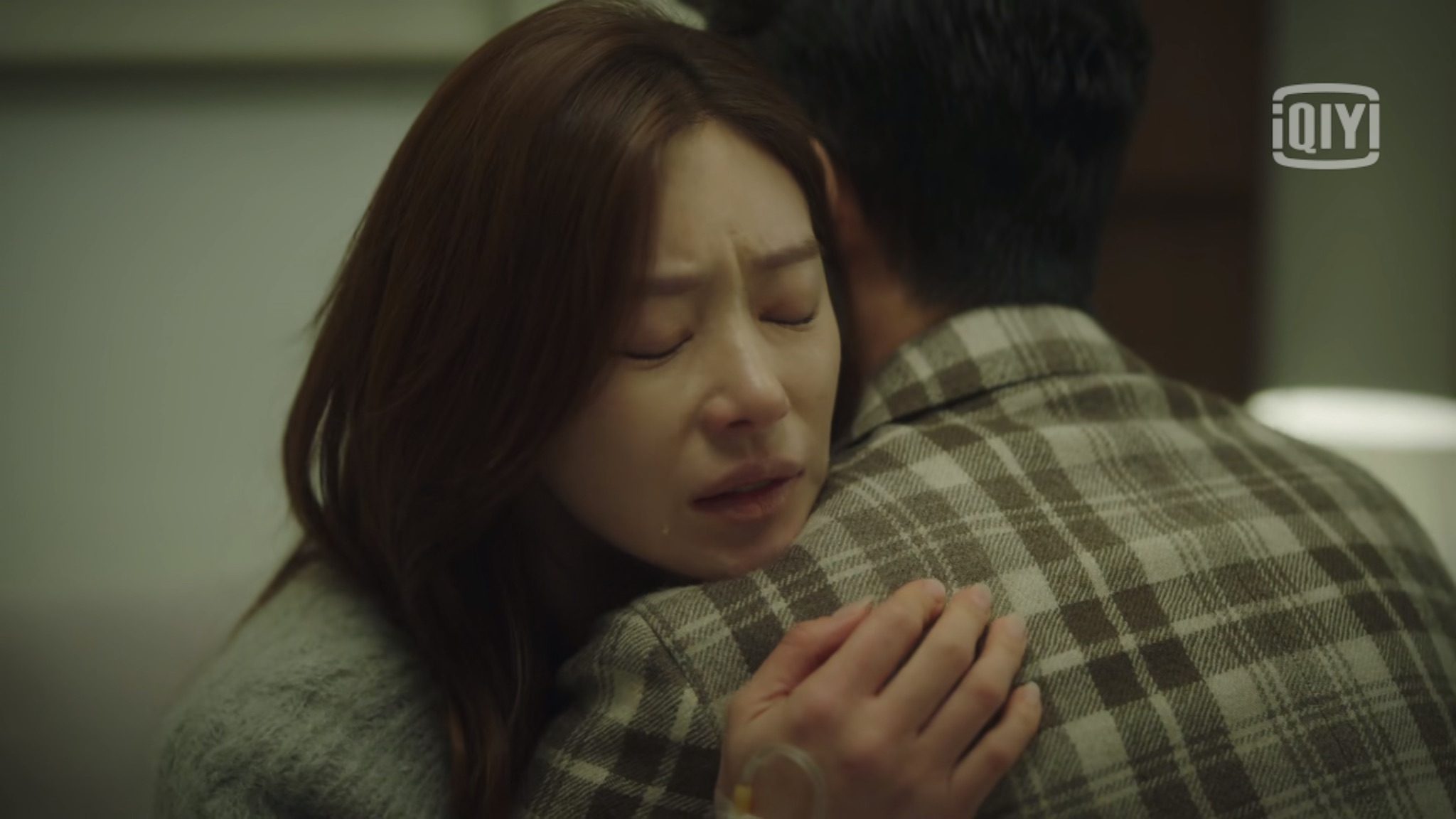
These two relationships poke holes in the naturalness of the nuclear family pushed by tradition; some parental units are toxic to their children; some familial relations lack love entirely; and some families share trauma that they need to work through together. Love being positive and fulfilling is not the default— not all families are like The Brady Bunch or those on Happy Days. Song-ah’s relationship with her mother juxtaposes that of Jae-shin with his parents; both adults feel suffocated by their familial responsibilities, yet Song-ah’s relationship is mended by the end of the drama while Jae-shin’s relationship is severed and lost completely. The expectations of familial love presented to individuals can actually tear them apart instead of bringing them together in harmony. For instance, Song-ah felt that as her mother’s sole child she had a duty to care for her, but that expectation made her miserable and spiteful towards her mother, who took advantage of her daughter’s love and self-prescribed responsibility for her to the point of gaslighting her.
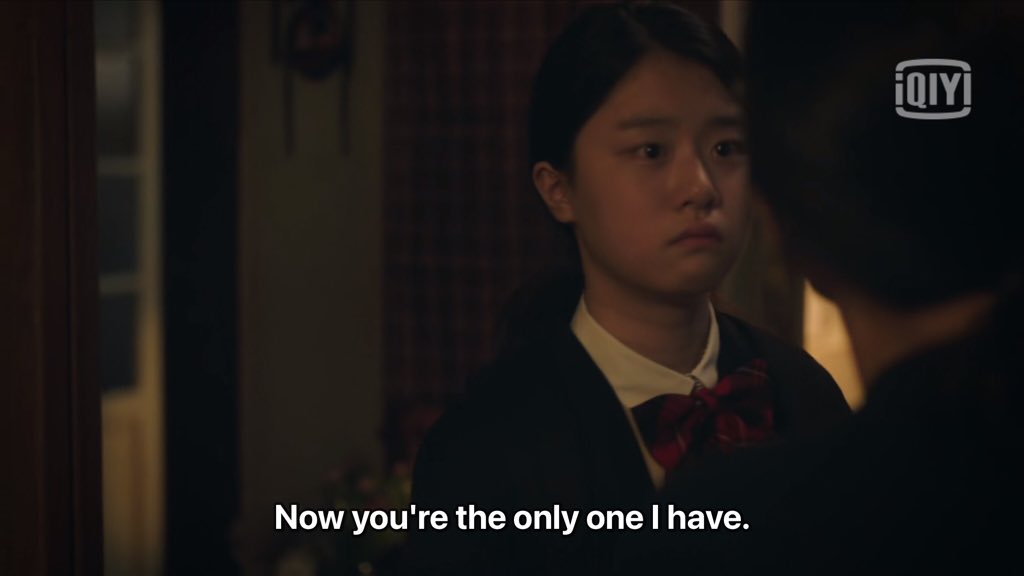
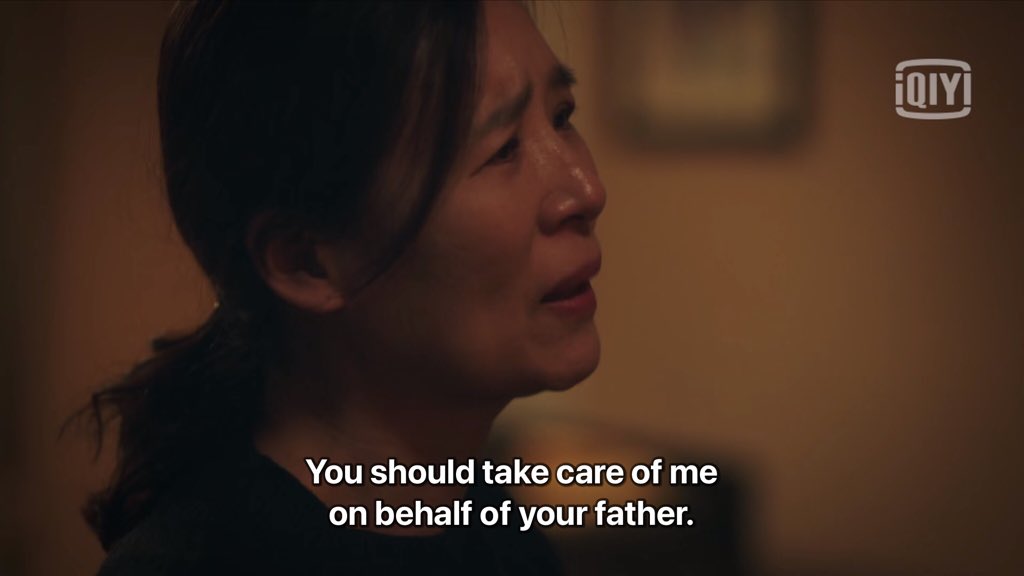

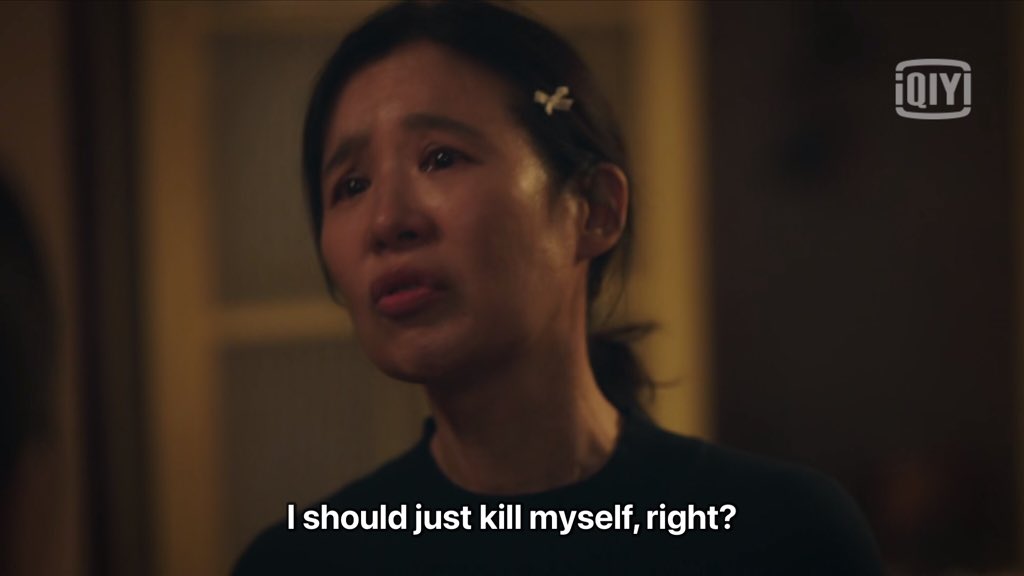
Once the two are at their breaking point, her mother not understanding why Song-ah is so distant with her and Song-ah tired of bearing the weight of her mother’s trauma on her shoulders, Song-ah desperately asks her mother, “do you love me? If you truly love me, let me go.”
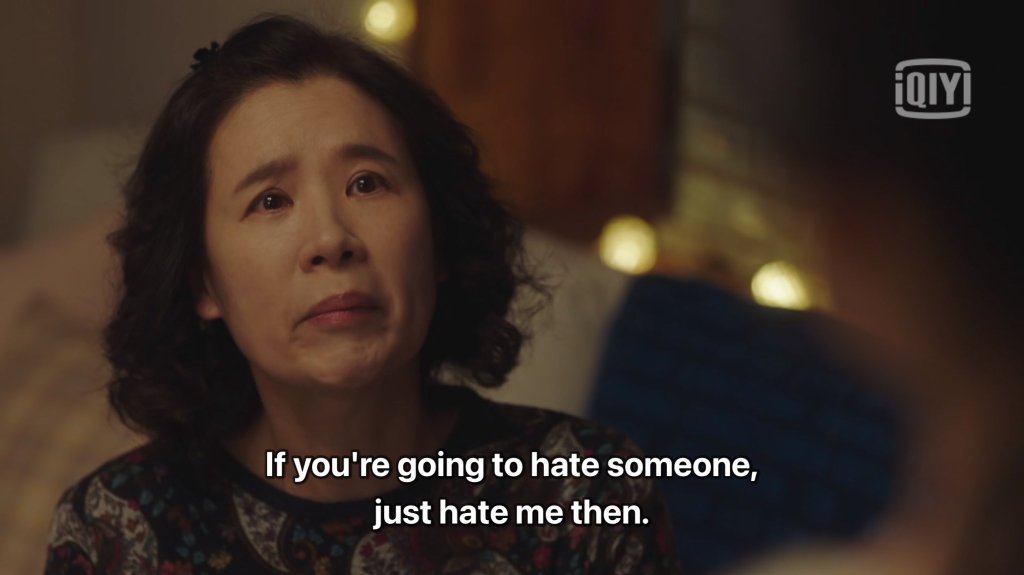
This expressed sentiment reveals that their attempted nuclear family is not working; Song-ah feels like a prisoner while her mother is holding onto her daughter so tightly that she is cracked and crumbling away. This is the pivotal moment for their relationship as this is the moment the mirror cracks and they no longer see the perfect reflection of societal familial expectations— they only see the true love in front of them that needs some tenderness, some reevaluating, and some truth.
A familial bond that lacks all truth and tenderness and serves as a counterpart to Song-ah’s family is Jae-shin’s family. Jae-shin too shares contempt for his parents, who have voluntarily abandoned all healthy notions of a nuclear family, and the drama ends with Jae-shin cutting all ties with them whether he wants to or not. His mother left Jae-shin as a child and lives a poor life at a restaurant with no desire to acknowledge him. His father ironically dies in a hit and run accident; for all of Jae-shin’s adulthood, his father would hit him up for gambling money then run away never to be seen again until funds ran low. His father took advantage of familial standards and toxicized them even further. Jae-shin wishes for his father to disappear saying he is to blame for his current life debt to the Chae siblings and he gets his wish.
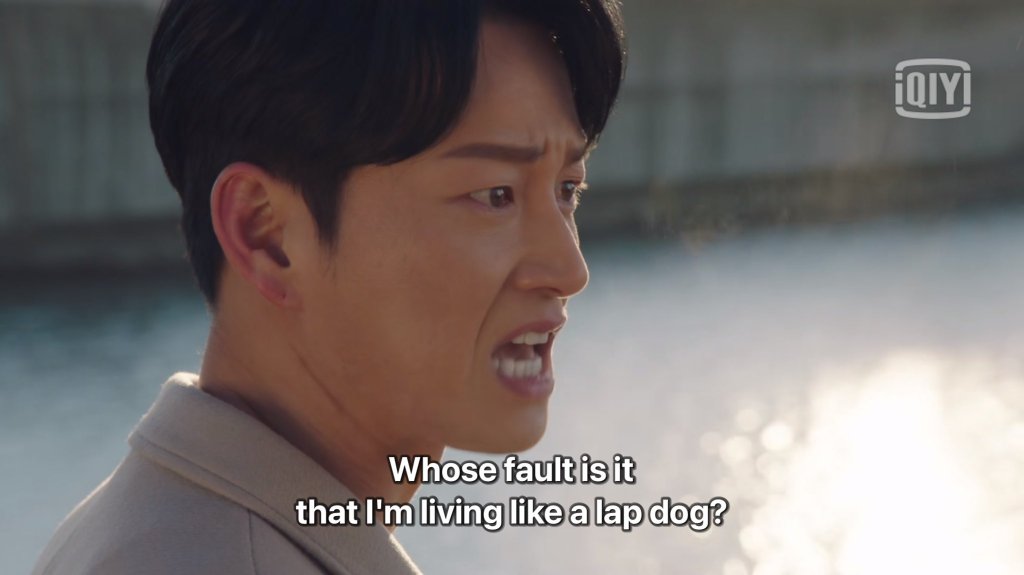
Only once he can no longer mend his paternal bond does Jae-shin realize how weighted down he is by his family; he never saw them on a regular basis yet the label of “son” dictates his every move until the very end when he sits in the common area, drinking with Song-ah as he puts a close to his father’s viewing. Both these adults, Song-ah and Jae-shin, experience the oppressive toxicity of the nuclear family and what happens when one cannot maintain the mask of perfection.

Both Song-ah and Jae-shin heal and accept the nonconformity, but they heal differently; one heals through total loss, the configuration of a new self image and having a chance at self-love while the other picks up the broken family she has and together, they reform into a true unit. These two stories highlight the intricacies of familial love; how standards can hinder true bonds between families and can weigh families down to the point of shattering. These shattered pieces create a new understanding of love and how it is not always smooth; it is jagged, in need of repair, and in need of upkeep in order to show a clear image.

Holding onto one supposed perfect image of love and refusing to stray from it yields trauma and everlasting disappointment; every picture taken of oneself shows one in a different and changed light, so why try to commit to an unchanging societal picture-perfect love? Showcased by every relationship in She Would Never Know, every person loves and reacts to being loved differently. Modern capitalistic society labels change and difference as negative and undesirable when in reality, it is what creates happiness and depth in ourselves and our relationships. Just as each of our skins need a different regime to keep it healthy, each of our hearts needs different care and steps to keep it beating. Some people have a nine step skin care routine done twice a day while others minimize and rally for simplicity for their skin, but the bottom line is that only you know what works for your skin.
This comparison is why the setting of She Would Never Know in a make-up and skincare company works so well with these themes of changing love. This big company works every day to make new products for the masses to add to their self care routines, to add to their desire to look perfect, while on a smaller scale, the individuals in the company are changing their routines for love and learning that perfection does not equate to happiness. The small individual cogs in this big capitalistic skincare machine are disproving it’s goal of perfection through their familial and romantic love journeys. A person doesn’t need every facial product or every romantic trope seen in movies to reach bliss both physically and emotionally. Just like make-up trends change week by week, mass produced images of love cannot stop the real change in love around us— life continues on and so must we.
This post belongs to my category titled “Extra Crispy Hot Takes,” in which I take either a show, book, movie or song and analyze its themes and plot while looking through a selected theoretical lens.
 Grow the Roses