
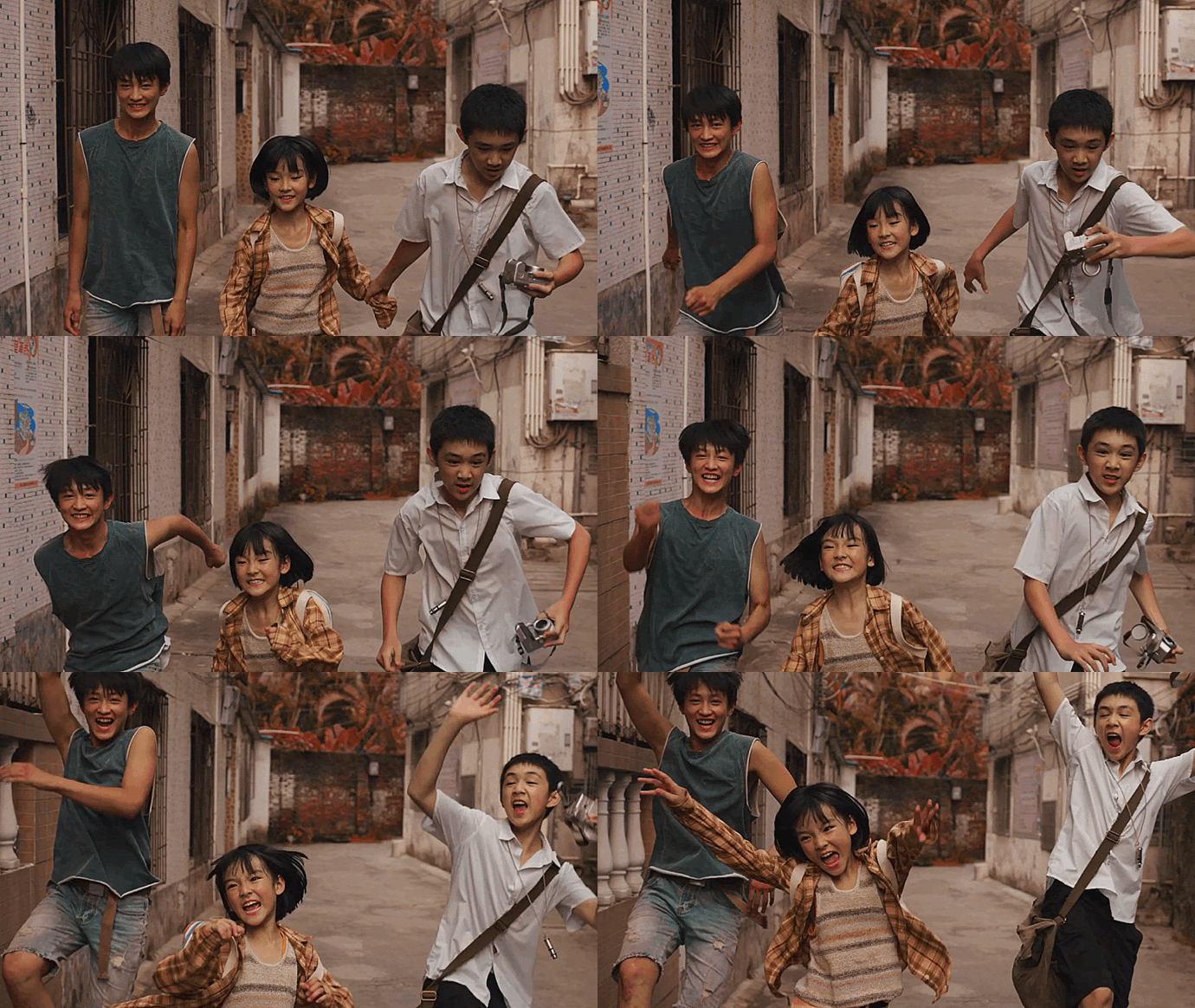
trigger warning: // discussions surrounding death, blood, murder, lying, and falling
When immersed in a story, I resemble that one gif of Jay-Z hesitantly bopping to music; I dig it, but am cautiously ready for something to smash my rose-colored glasses.

In other words, I am always on the lookout for a plot twist. Yes, the gigantic plot twist in the last Twilight movie broke my trust in film forever. The capability of the media to build a bond between the consumer and the story, whether it be a novel, film, show, etc., is not something to bat an eye at. How is it that a writer can emotionally affect people across the globe? Why was seeing the decapitated head of Carlisle Cullen so shocking and bond-breaking? The consumers’ digestion of stories is largely based on the narrator’s telling of events; thus, a consumer’s immersion into a fictional world is largely dependent upon the narrator’s ability to efficiently showcase the details of a story and offer a ride into said world.
I took that ride and hitchhiked into a chinese drama titled The Bad Kids (2020) and it felt as if I had seen Carlisle’s head all over again, but it was done much more tastefully. Set in the early 2000s, this drama follows three kids who witness multiple murders and their struggles with staying on the morally right path in terms of their secret.

The main character, a high school boy named Zhu Chao Yang, is perceived as a good, intelligent boy by his family and peers, but as the drama unfolds, we are led to question what dictates the line between a “good boy” and a “bad kid” as the title suggests. Seemingly, Chao Yang is a good boy fighting for justice as he tries to outsmart the murderer, Zhang Dong Sheng, with the help of his friends. Seemingly, good boy Chao Yang is the direct opposite of the villain, a scheming and conniving school teacher turned murderer. Now, I said seemingly for a reason. The final scene of the drama starts with Chao Yang finally confessing to his witnessing of the death of his step-sister, Jing Jing, and he brings the police to the scene of the crime to describe what happened. Chao Yang explains that Jing Jing was standing on a desk near the window and missed a step and fell before he had a chance to help her.
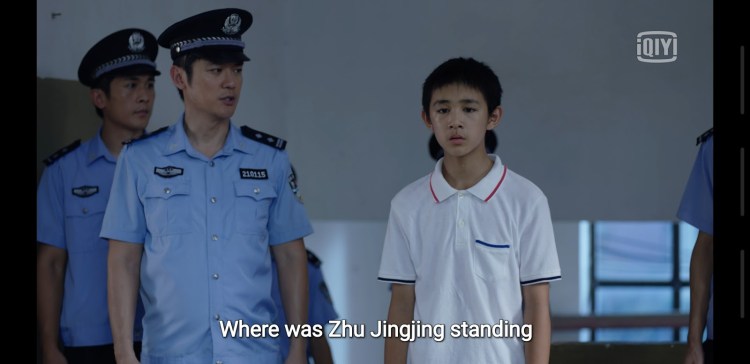
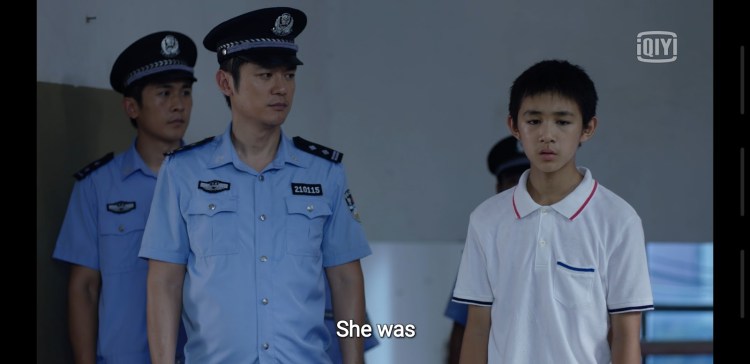
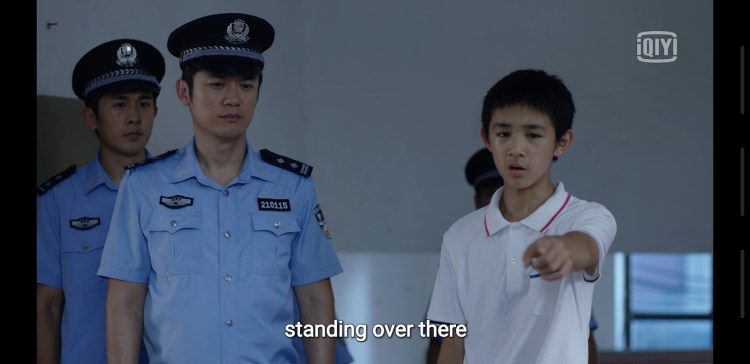
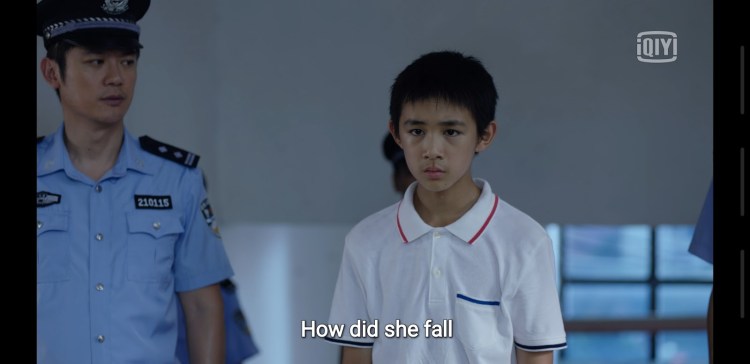

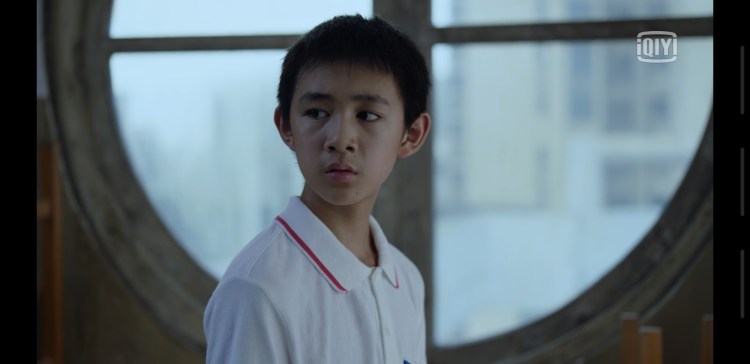
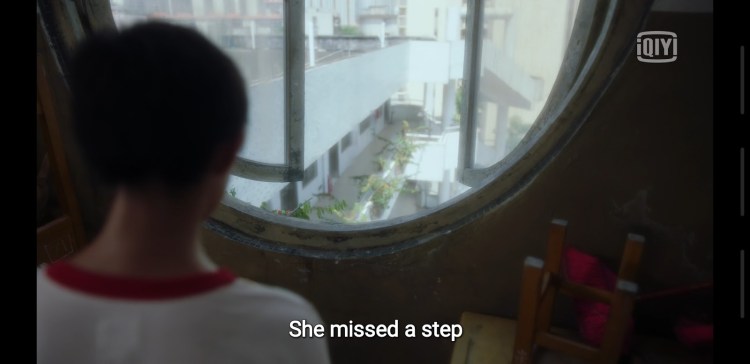
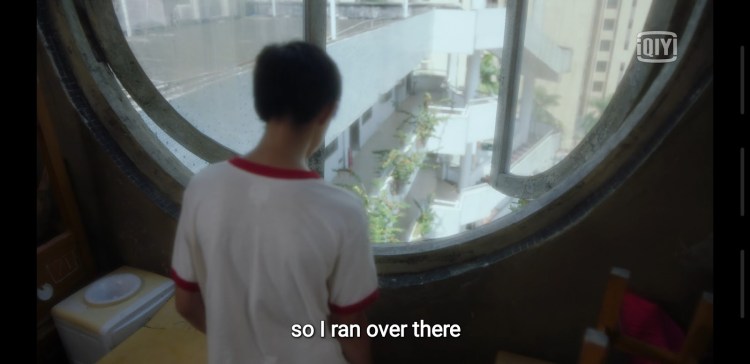
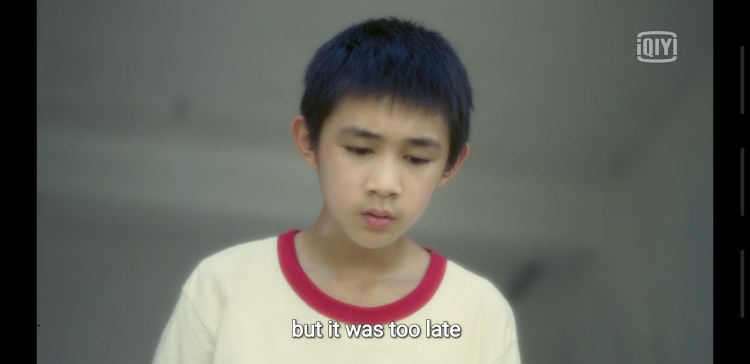
This is where the narrative alters from what the audience has believed for the entirety of the drama; after this dialogue, the screen cuts to black and all the audience hears is a girl whimpering and struggling, a long pause, and the inevitable screams and consequent thump of Jing Jing’s body hitting the pavement. Cue the end credits roll.
The lack of visuals within this finale heighten the importance of the audio, which brings viewers to the conclusion that we cannot always rely on what we see for the truth. The audio here reveals the cold truth of Jing Jing’s death: she did not just fall out of the window and that was it– she was hanging onto something for a few moments before she fell. Chao Yang could have saved her, but did not. The pause between her whimpering and the thud on the cement highlights this truth. This shocking final scene of the drama seemingly exposes Chao Yang as the bad kid to the audience; however, if we are basing this conclusion on this one final big lie and the fact that Chao Yang is lying, is it truly that shocking? The ending originally threw me for a loop too. I could not believe Chao Yang lied and could have saved her, but in terms of his characterization, I realized this decision was not out of the blue. Chao Yang is a liar. A big one. The writer characterizes Chao Yang as a liar from the very beginning of the story when he lied to his father about being fine at school when, in actuality, he was being severely bullied.
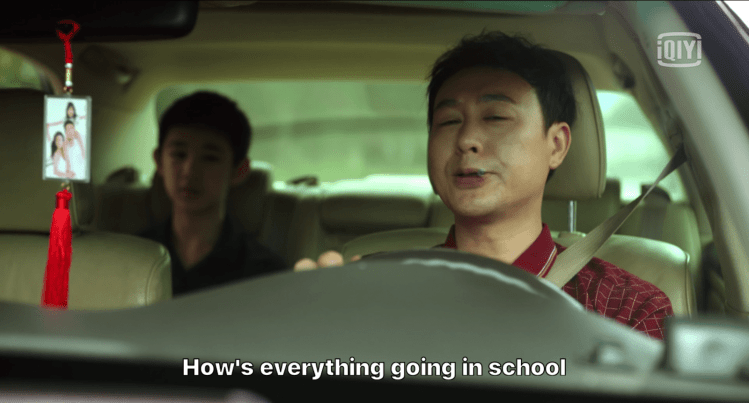
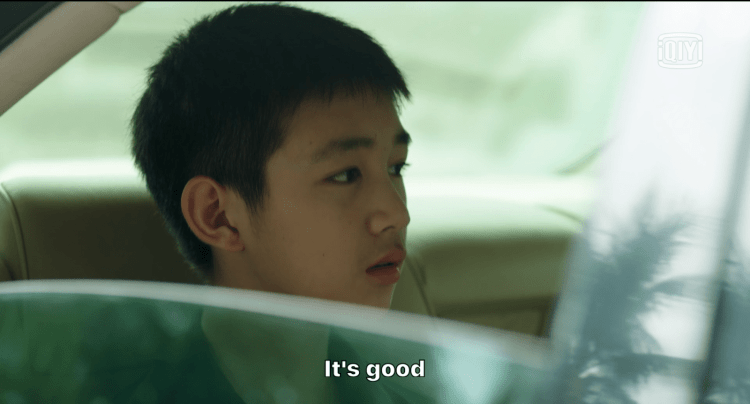
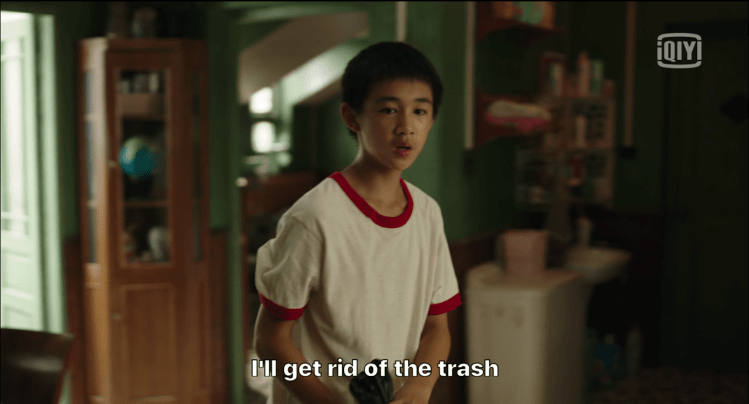
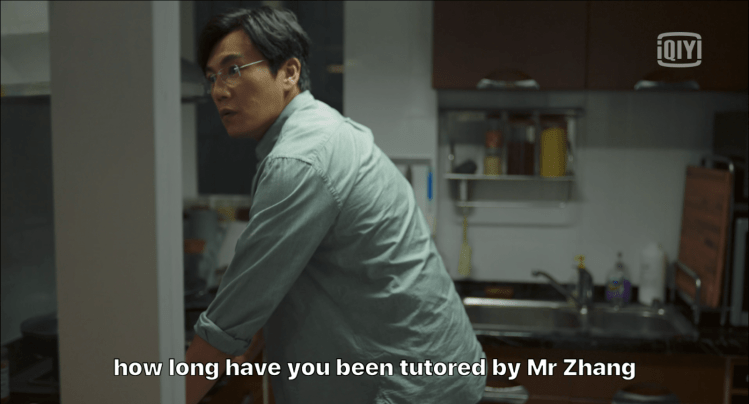
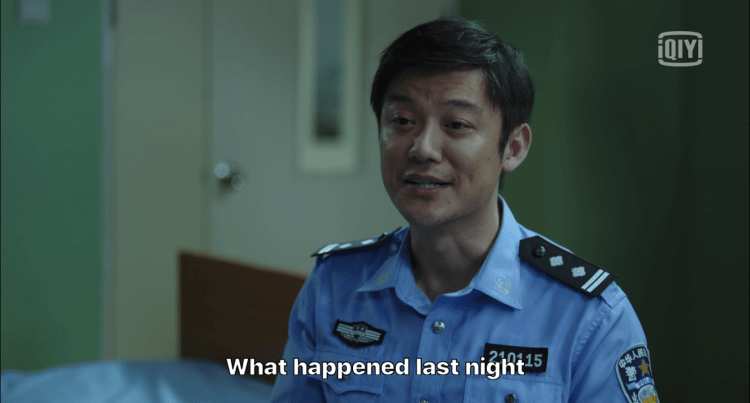
His web of lies just grows and grows from that point on. He lies to his mom about taking the garbage out in order to go help his friends; he lies to the policeman about being at the murderer’s house for tutoring instead of proceeding with his blackmail agenda AND to save his father’s reputation after what happened with his step-uncle– and those are just some of the main lies.

So why did the final lie shock me so much? Chao Yang’s previous actions do not warrant a reason to be shocked; he is a reliable narrator in that he constantly lies. At mentioning the phrase “reliable narrator,” I have seen many arguing that Chao Yang is not a reliable narrator, but I feel like many equate lying to unreliability. Lying is something that a reliable narrator can and often does– only when the narrator is not written to do so is when we enter the realm of unreliability. In The Rhetoric of Fiction, literary theorist Wayne C. Booth explains that when a narrator is reliable, they will “[speak] for or [act] in accordance with the norms of the work (which is to say, the implied author’s norms),” which boils down to the narrator, for example, saying a character is trustworthy and the author, in his descriptions and characterization, showing said character as such (Booth 158). In The Bad Kids, the audience is shown through Chao Yang’s relationships with Pu Pu and Yan Liang, his two orphaned friends, and his parents that he is a reliable narrator. When Chao Yang sees his old friend in need, he allows Yan Liang and Pu Pu to stay at his house, offers them meals, and takes them around town. Pu Pu even says that she and Yan Liang see him as “kind and faithful.”
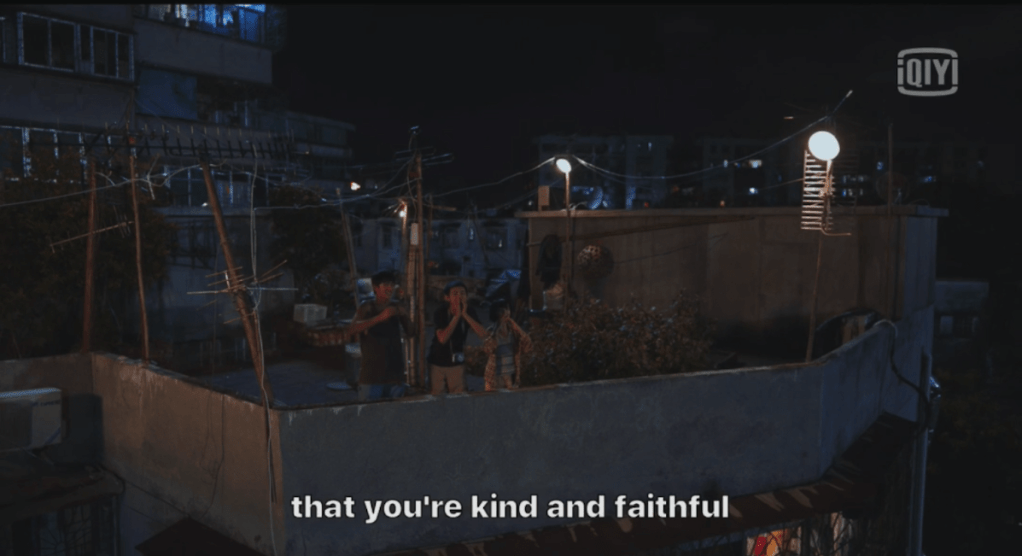
Chao Yang’s actions line up with his friend’s views of him; he possesses the qualities that they boast about. Chao Yang is also known as the academic idol of his town as he is always in the top spot in his class. His parents pride themselves on the good boy image Chao Yang has created for himself.

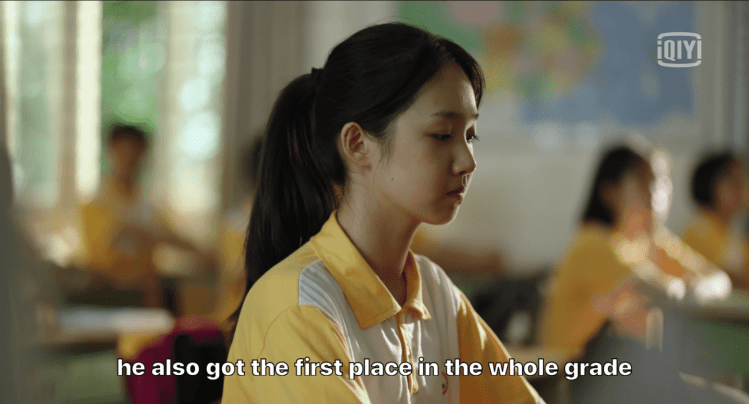


There are a multitude of scenes in which Chao Yang studies within the drama and in which his parents gas his intelligence up. Once again, Chao Yang’s actions line up with his peers and family’s views of him; he possesses the academic prowess flaunted by society around him. Now, if that is what a reliable narrator is, how do we identify an unreliable one?
As aforementioned, reliability is not determined by whether or not a narrator lies. A narrator becomes unreliable when they deviate from their characterization given by the author. In fact, Booth coins the term “unreliable narrator” and highlights that a narrator becomes unreliable when “[he] is mistaken, or he believes himself to have qualities which the author denies him…unreliable narrators thus differ markedly depending on how far they depart from their author’s norms” (Booth 158). When the audience starts to see a forming dichotomy between the author’s characterization and what a character believes herself to be is when unreliability comes into play. If Chao Yang is a combination of intelligence, faithfulness, and kindness and emits a “good boy” image that is emphasized over and over again throughout the drama, isn’t the fact that he lies and is presumed as someone who let his little sister fall to her death enough cause to see him as unreliable?
Enter the main antagonist of the drama, Zhang Dong Sheng, Chao Yang’s new math teacher who was cheated on by his wife and kills her and her parents in anger. In analyzing Zhang Dong Sheng’s relationship with Zhu Chao Yang, the characterization and establishment of Chao Yang as not only a good boy, but also a bad kid is revealed. As aforementioned, Chao Yang, in the eyes of others, is a stereotypical academic gem who thrives on kindness and the charity in his heart. However, as the murderer becomes more involved in his life, Chao Yang’s good boy image is met with the opposing one of a bad kid. The writer characterizes Chao Yang as a bad kid most obviously through his similarities to Zhang Dong Sheng. For example, both Chao Yang and Dong Sheng are academic geniuses and known throughout town. Dong Sheng even mentions how Chao Yang is his “favorite student,” which has a double meaning.
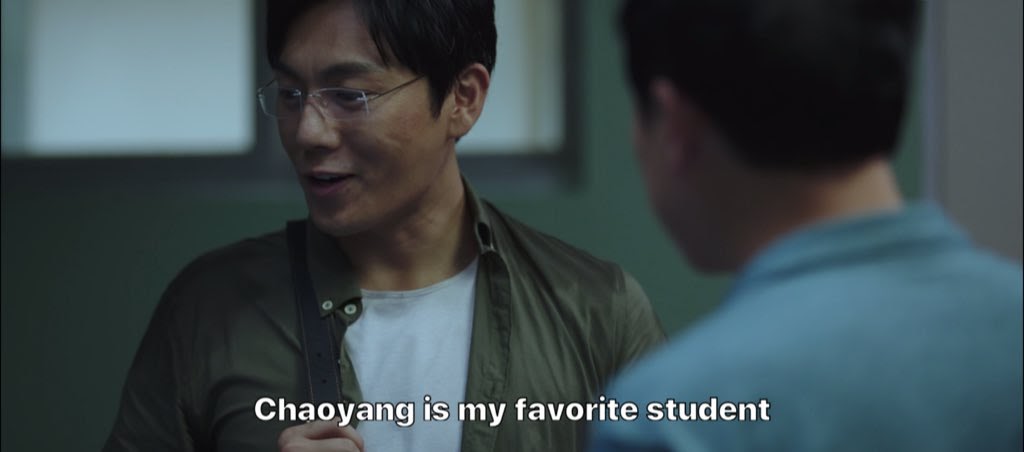
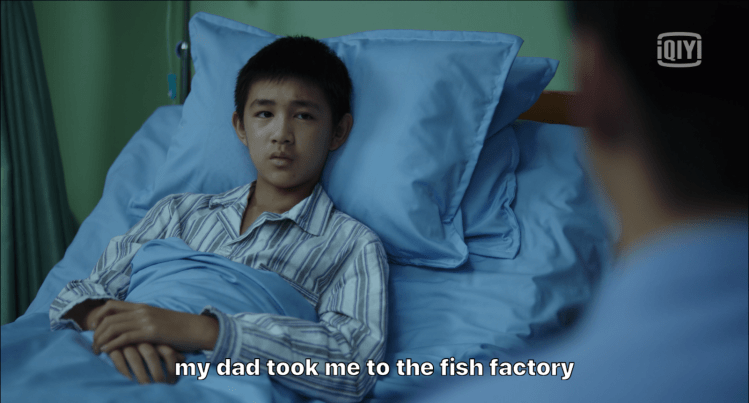
On the surface, he is his favorite for his smarts and utter fantastic academic capabilities, which is nto surprising given he is a teacher; however, Chao Yang is Dong Sheng’s favorite because of their shared dark secrets as well. Many people pick favorite shows, actors, idols, etc. because they feel a personal connection to them or they are #relatable; Chao Yang is Dong Sheng’s favorite because he sees himself in the boy standing before him. He is smart–smart enough to get away with lying, scheme and contemplate murder. Dong Sheng even flat out exposes Chao Yang and reaffirms to viewers how dishonest Chao Yang is during a fit of rage in the fish factory. One might even conclude that the death of Chao Yang’s father, who believes Chao Yang to be a good boy, in the hands of Dong Sheng, who personifies the norms of the bad kid, symbolizes the bad kid image dominating over Chao Yang’s good boy persona and ultimately, destroying it.
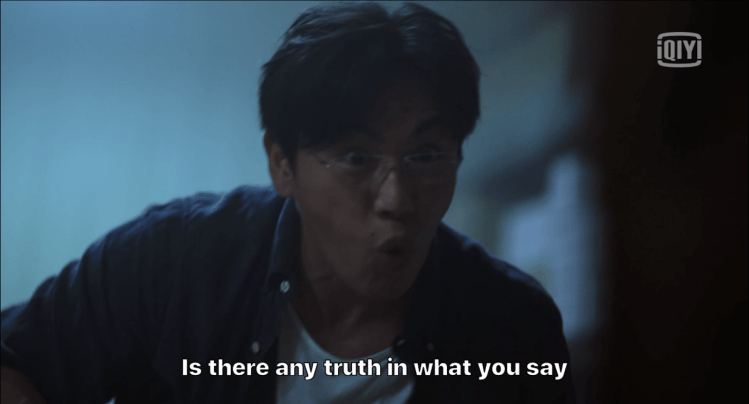
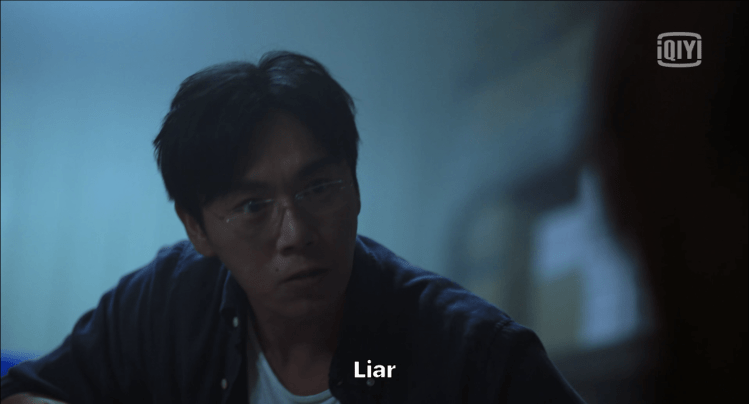
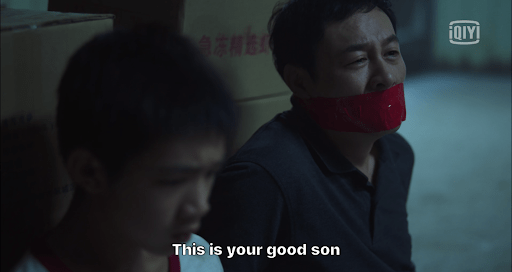
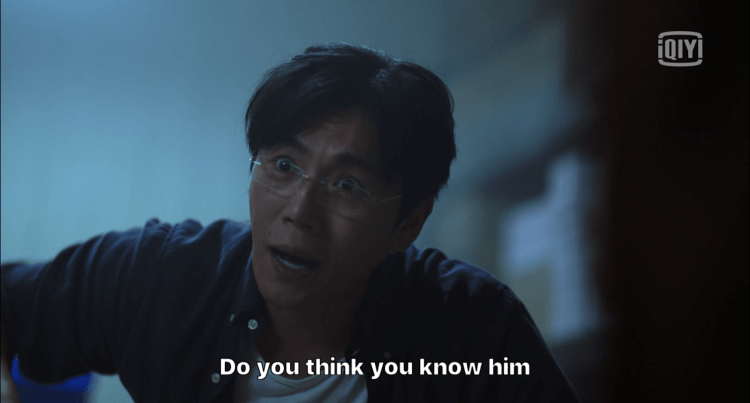
Despite his anger towards Chao Yang, this too is a similarity Dong Sheng shares with him– both characters lie to save themselves. Just as the scheming school teacher told the police it was too late to save his late in-laws from falling down the long descent of the cliff side, Chao Yang utters the same line to the policemen as he leans out the window from which his step-sister fell.
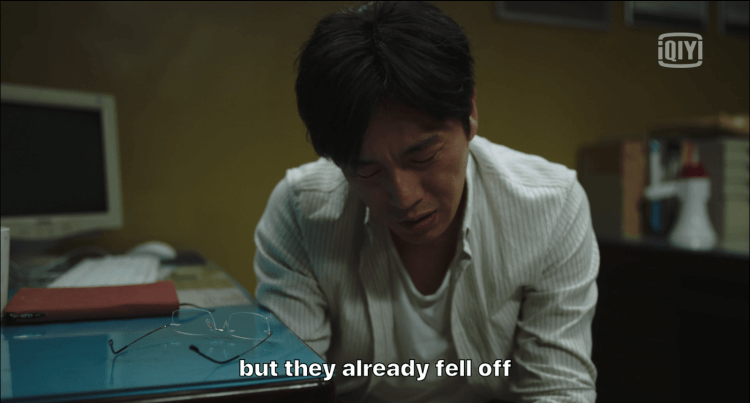

Both characters are associated with a big physical fall, which can represent their subsequent mental descent into darkness or the bad side. There are many other similarities between the two characters and I would love to explore them, but for the sake of not dragging on this post longer than it already is, I will save them for their own post. However, the overflowing pool of similarities between Zhang Dong Sheng and Chao Yang mixed with his family and peer’s belief in his morality and kindness reveal that the writer characterizes Chao Yang as constantly walking the fine line between a good boy and a bad kid. Chao Yang adheres to both sets of normalities and acts upon them accordingly, thus he is a reliable narrator.
Despite having established that Chao Yang is a reliable narrator for conforming to the established norms for both a good boy and a bad kid, I still have to wonder about the ending. With all this analysis I just wrote, all these details and clues, why did the ending manage to make my brain feel like it had been slapped? As a viewer, why did I still not believe Chao Yang would let his sister fall? I had to rewatch the original window scene again to realize why. Chao Yang lies to the police and says that he was not on the fifth floor, which is expected. He lied, per usual, but what makes the ending so shocking is not that he lied, but that the camera did too; Chao Yang is not unreliable– the visual narrative is. Chao Yang is a reliable narrator, but the cinematography and visuals make the audience falsely assume Chao Yang as an unreliable narrator; the visual narrative deviates from the writer’s intended characterization of Chao Yang. This is legitimately exposed in the final scene which lacks visuals as if the drama is making a point to say as an audience, we were so caught up in what we saw that we did not pay attention to what we heard throughout the whole drama– Chao Yang’s battling duality of a good boy and a bad kid. The post credits scene in ep 11 focuses on the importance of audio as well. Chao Yang’s dad hears him open his bag and finds the recorder; he knows that his son found the recorder and chose to not tell him.
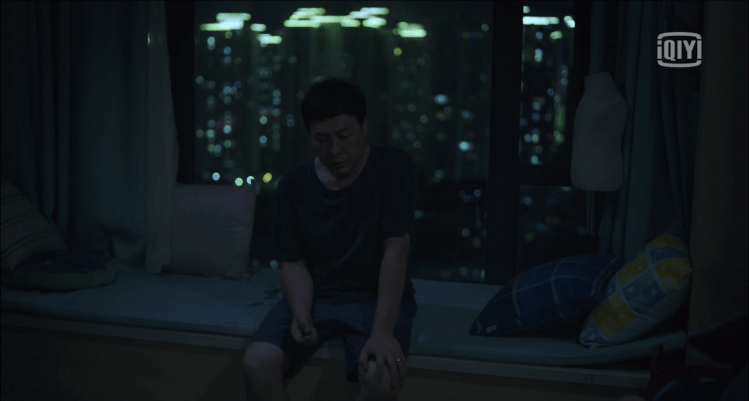
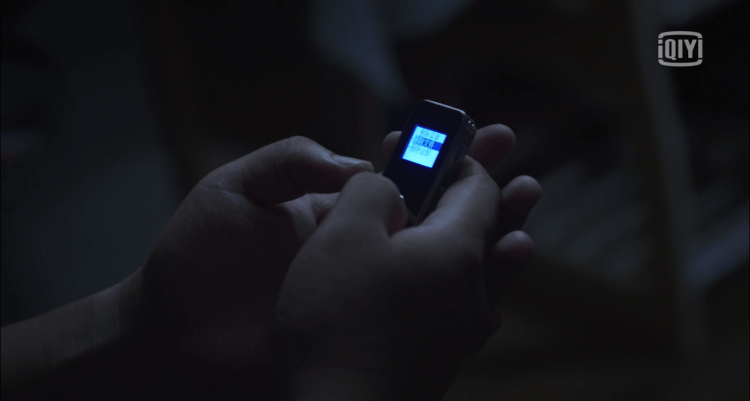
This alternative exposure of Chao Yang’s duality is exposed in an after credits scene, which most people will not watch since they assume there is no more to see. This isn’t a Marvel movie; most viewers do not expect an after credits scene. Viewers trust that since the credits are rolling, there are no more scenes to witness. Zhang Dong Sheng champions for Chao Yang to believe in the fairy tale. That fairy tale is what viewers see; the reality is what we hear. The clues are blatant throughout the whole drama that Chao Yang is not solely good or bad, but like his parents and many others, we too come to believe Chao Yang’s lies because of the visuals. In a sense, viewers fall just like Jing Jing and the elderly couple do, except we fall for the lies and gilding present in Chao Yang’s life. His gilded good boy image is so masterfully crafted that many don’t even realize how similar he is to the murderer until the drama is over. The Bad Kids warrants a second viewing as you can see past the gilding and realize why the drama’s final scene slapped you in the face in the first place. Because it was so obvious.
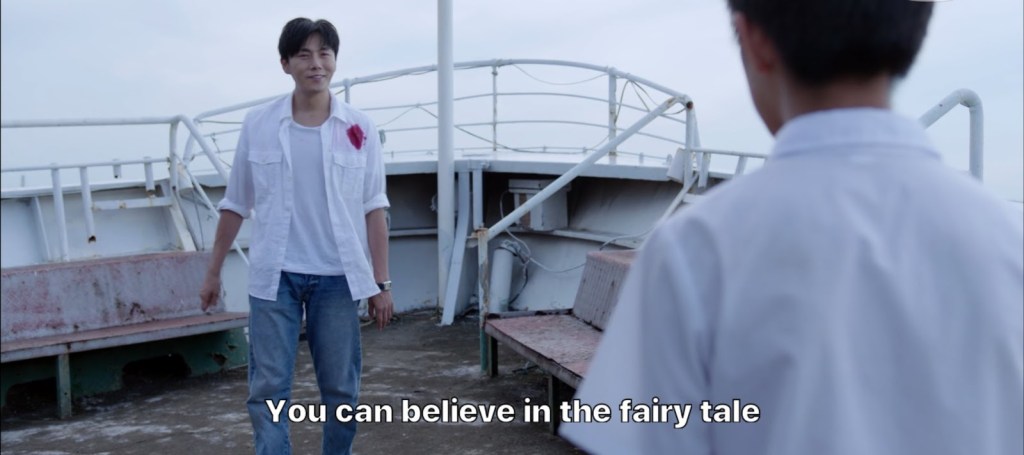
That is why this drama is so eloquent and tasteful. Nothing is entirely hidden in terms of plot; the plot twist at the end is not a plot twist at all. It is clearly set-up, but the drama offers such a concrete web of lies that viewers focus on what makes a good boy instead of plainly seeing the bad kid in front of them. So, no, Chao Yang is not an unreliable narrator. He just has two stories to tell just as he lives as both a good boy and a bad kid. And he is choosing to tell the untruthful one- the good boy story. He is telling the fairy-tale that many choose to believe in regards to Descartes’ death. The fairy-tale of his friends surviving. The fairy-tale of there only being one murderer.
And it not being him.
The other story, the truthful one, is hidden in the sounds of the drama. The pause between Jing Jing’s struggling grunts and her final, scream-filled descent to the concrete. The whistle blown by Yan Liang that only Chen hears in the midst of the intricate street dancing. The deafening silence that only Chao Yang notices as his friend, clad in white and basking in the sunlight, casts him one final glance then walks away forever through the crowded school gym. His struggling breaths as Chao Yang sits in the pitch black back seat of the police car, repeatedly trying to scrape something red, something secret off of his hand as his mother desperately pleads to know how it got there. Zhang Dong Sheng’s struggling breaths and the scrape of the blade as he too tries to repeatedly scratch off the remains of his secrets from the wall behind his bed. Zhao Yang’s unfinished sentence of admittance to something when his father breathes his last bated breath on the frigid fish factory floor. Zhang Dong Sheng’s gleeful praise of Chao Yang and remark that he is his favorite student. Zhang Dong Sheng’s exacerbated sighs of frustration as he questions Chao Yang’s fathers’ knowledge of his own son and exudes an intense confusion as to why anyone would see him as a good boy. The dream-like silence as Chao Yang is suddenly joined by his friend in toppling the storage shelf to escape the burning factory building. The scheming silence as Chao Yang takes extra time to properly formulate his final lie and contemplate if the police standing with him in the old storage room will believe him.
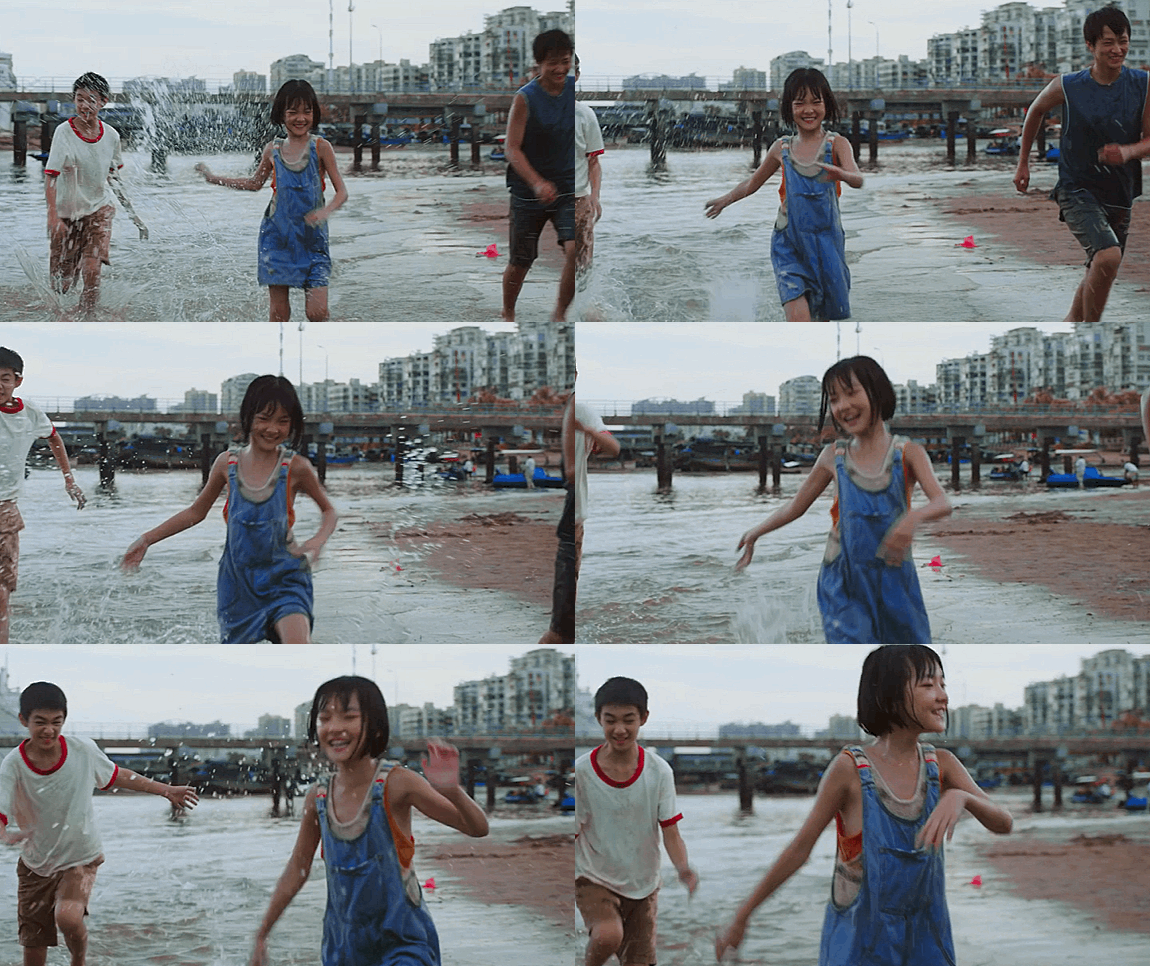
Lies and truth; scenes and sounds; fairy tales and reality; good and bad; Zhang Dong Sheng and Zhu Chao Yang– this repetitive presence of duality showcases the importance of focusing on all aspects of a story no matter how insignificant they seem. The Bad Kids (2020) showcases that narration does not just come in the form of words spoken, but also sounds heard and pictures presented. If even one aspect is too heavily focused on, one can miss major messages about characterization and reliability within a media form, which is why the final scene of the drama floors many viewers like myself. For many, we spent the entirety of the drama championing for Chao Yang’s good boy side, yet his bad kid side was tugging on our sleeve amidst our cheers. Just as Chao Yang questions if criminals are always criminals, we as viewers should question if what we see on the screen is as clean cut and defined as we assume or if there are other details and messages found in bated breaths, final screams, scrapes on a wall, and timid lyrics that three children sing on a mountain as their lives change forever.
Works Cited:
Booth, Wayne C. The Rhetoric of Fiction. 2nd ed., The University of Chicago Press, 1983.
Light On Series; The Bad Kids, written by Hu Kun, Qiao Ka Ka Qi, Pan Yi Ran, Sun Haoyang, directed by Xin Shuang, iQiYi and Eternity Pictures Corporation Limited, 2020.
This is the first post in my new category titled “Extra Crispy Hot Takes,” in which I take either a show, book, movie or song and analyze its themes and plot while looking through a selected theoretical lens.
 Grow the Roses
Hi! So I just watched this drama. And I heard the whimpering and screaming, but between that, there is music from the ending credits. So I couldn’t tell if she really had a moment where she could have been helped or not. BUT, I do remember that when Pupu and Jingling were fighting, Chaoyang was seething inside with his head down. He has anger issues. I mean I know Jingjing was egging him, but even when she stepped on his shoe, he seemed like he was seething. And as she running towards the window, he just kind of stood there. Sure, it could be bc he was frozen, or he didn’t know how to manage the situation, or he just obviously didn’t see the need to go towards her and bring her back. We will never know and that is soooo fascinating lol. I like that we will never truly know.
LikeLiked by 1 person