
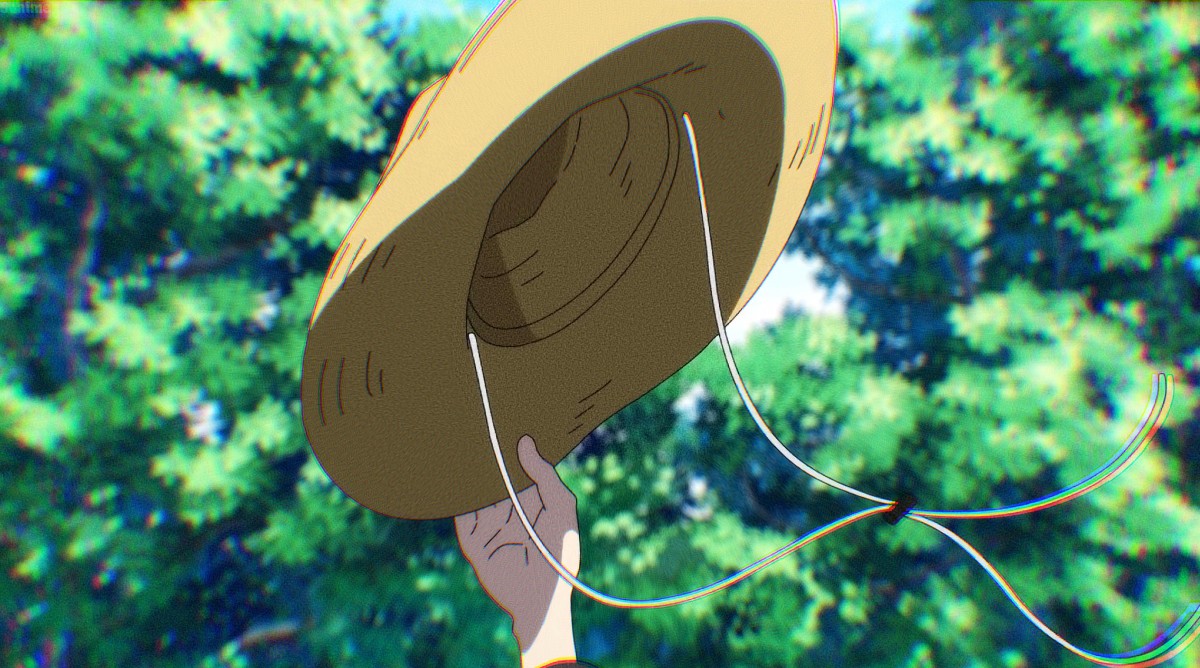
With a run time of just under an hour, The Stranger by the Shore depicts a queer coming-of-age in a much more intricate, mature and seasoned manner than many mainstream episodic stories.
——————————
Amongst the wide array of symbolic settings found in media, no one quite matches the simple setting of the beach. Surrounded by salt and sand, one can face a plethora of happenings and emotions whilst beneath the waves. As a place of solace, new beginnings, tragic endings, and shocking revelations, it is no wonder the beach is chosen as the home base for many romances; just as the waves and the dry land, two people destined for each other can meet along the windy shores. This destined meeting starts off the story told in the Japanese 2020 anime film, The Stranger by the Shore.
On a small island in Okinawa, two boys, Mio and Shun, bond over their shared feelings of loneliness while sitting on a bench near the surf. As the waves fill the shore, waves of emotions fill these two boys as they grieve both their families and their communities. Mio, who recently lost his mother, feels as if he will never find another to share life with while Shun is secluded by the heteronormative community around him. Both boys are determined to remain alone, but slowly they grow together just as the foliage around their bench.
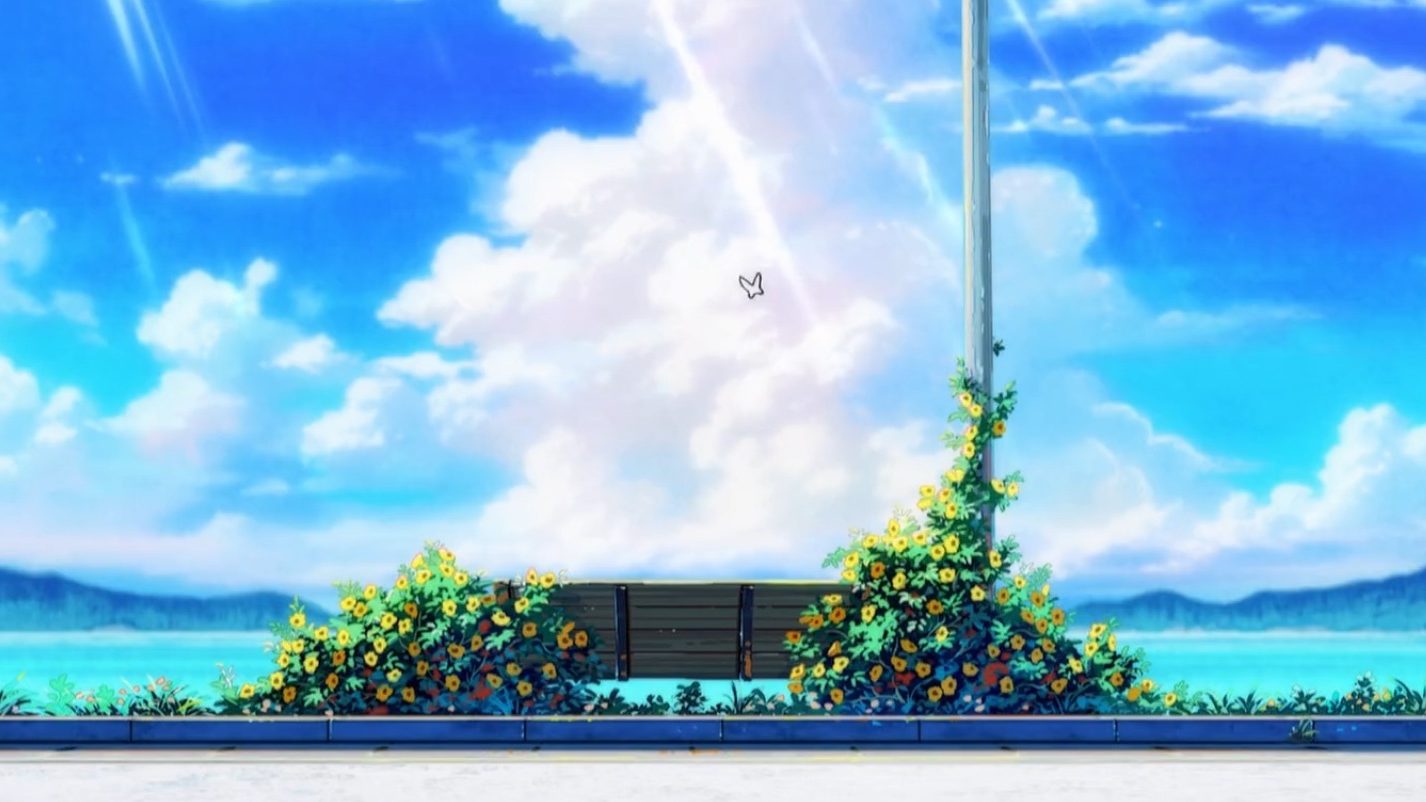
The Stranger by the Shore is based on a manga (that I bought immediately after finishing the film) and as I have not read it yet, I cannot truthfully dictate if the film is a solid adaptation of the text, however, based on the love I see for the film on a daily basis, I would say it is pretty stinkin’ close.

With a running time of just under an hour, The Stranger by the Shore depicts a queer coming-of-age in a much more intricate, mature and seasoned manner than many mainstream episodic stories. As previously mentioned, the beach is a classic, normative romantic setting and the tale of Mio and Shun queers that narrative and establishes the beach as a place of change and growth. Just as the sand and the sea are eternally mixing and flowing together, queer and heteronormative spaces ebb and flow together as Mio and Shun connect and grow.

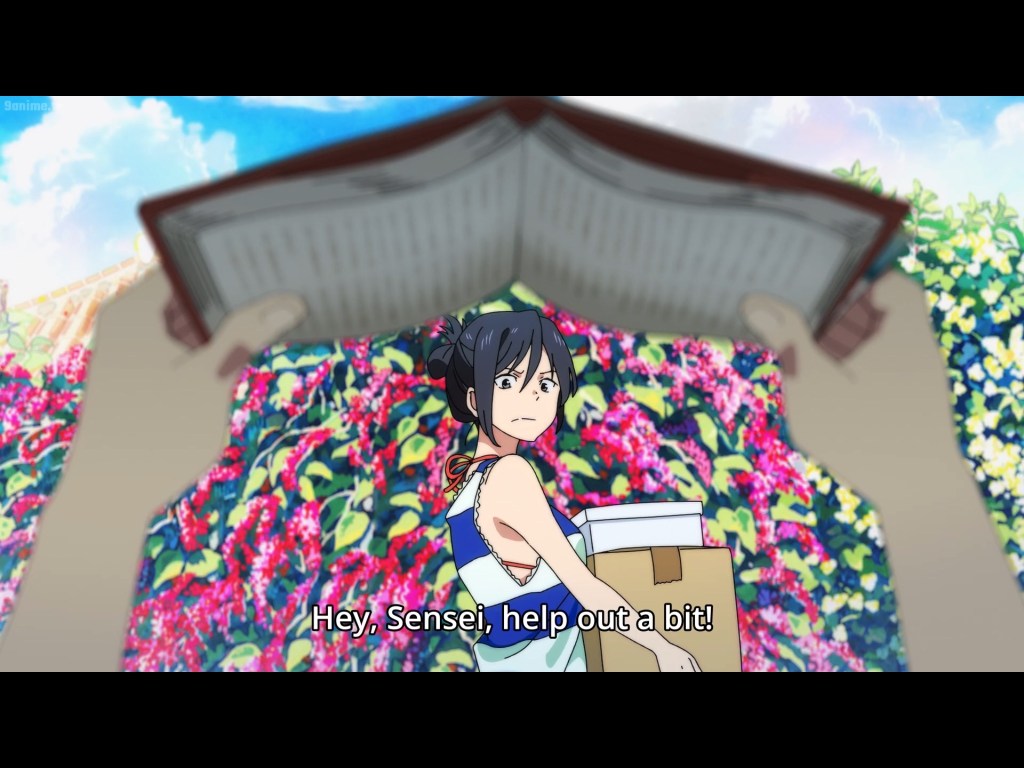
The cinematography does a fantastic job at highlighting how these spaces intersect as scenes change erratically when the perspective switches between Mio and Shun. This contrast can be seen as simply as two different colored blooms growing together.

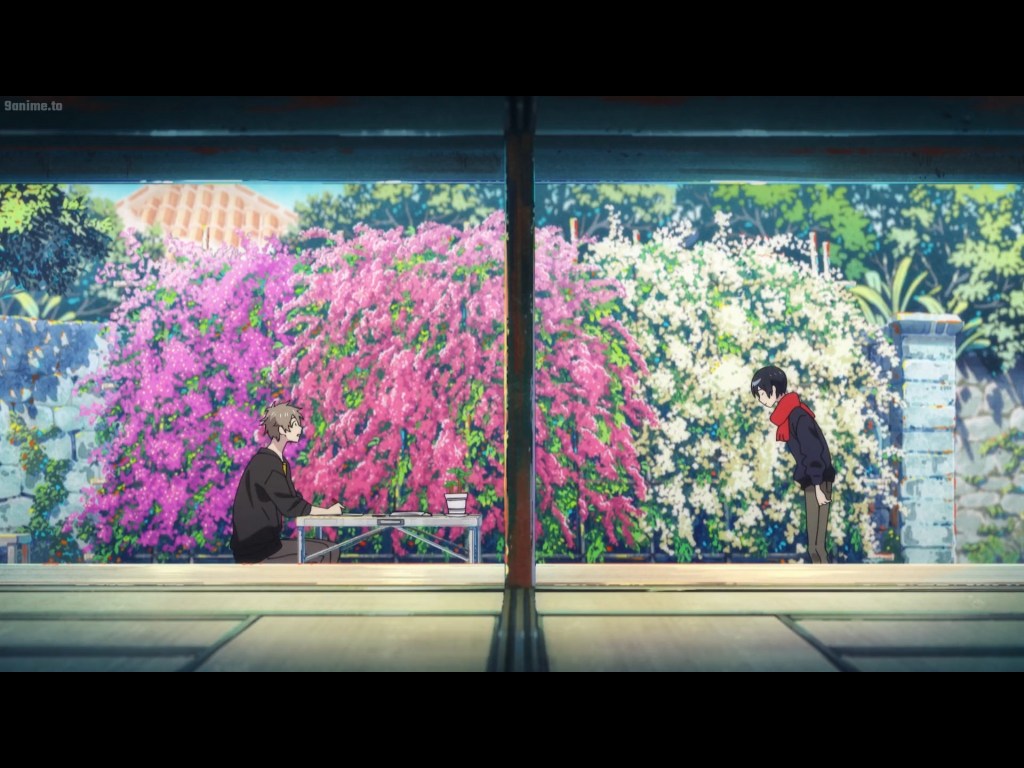
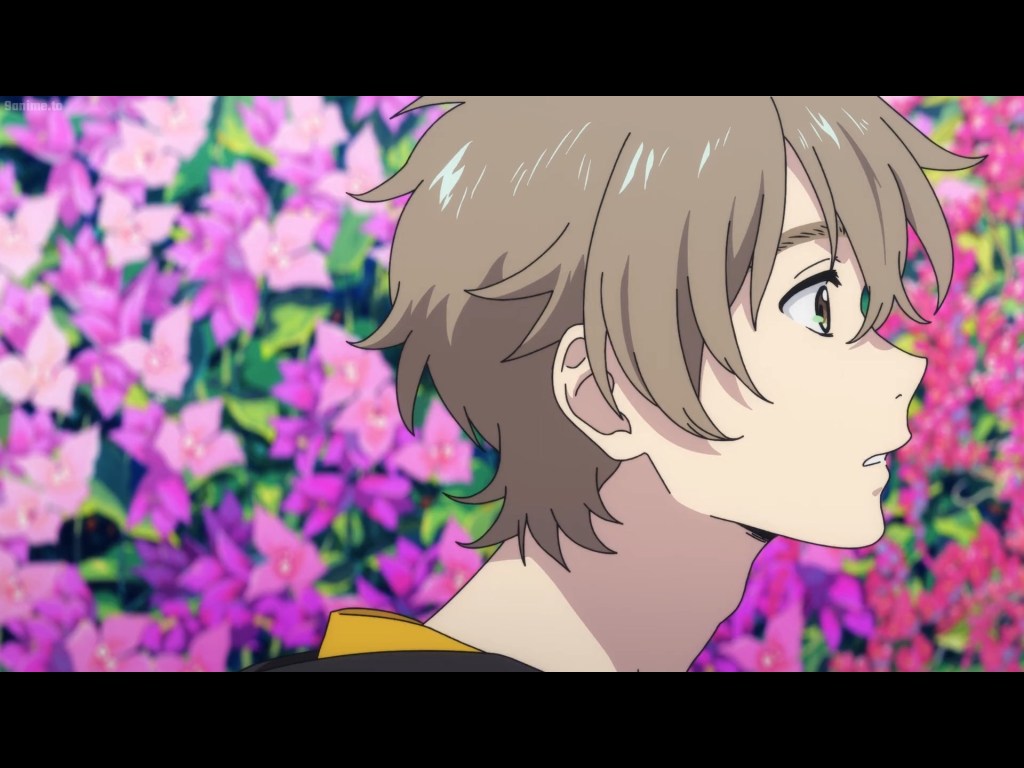

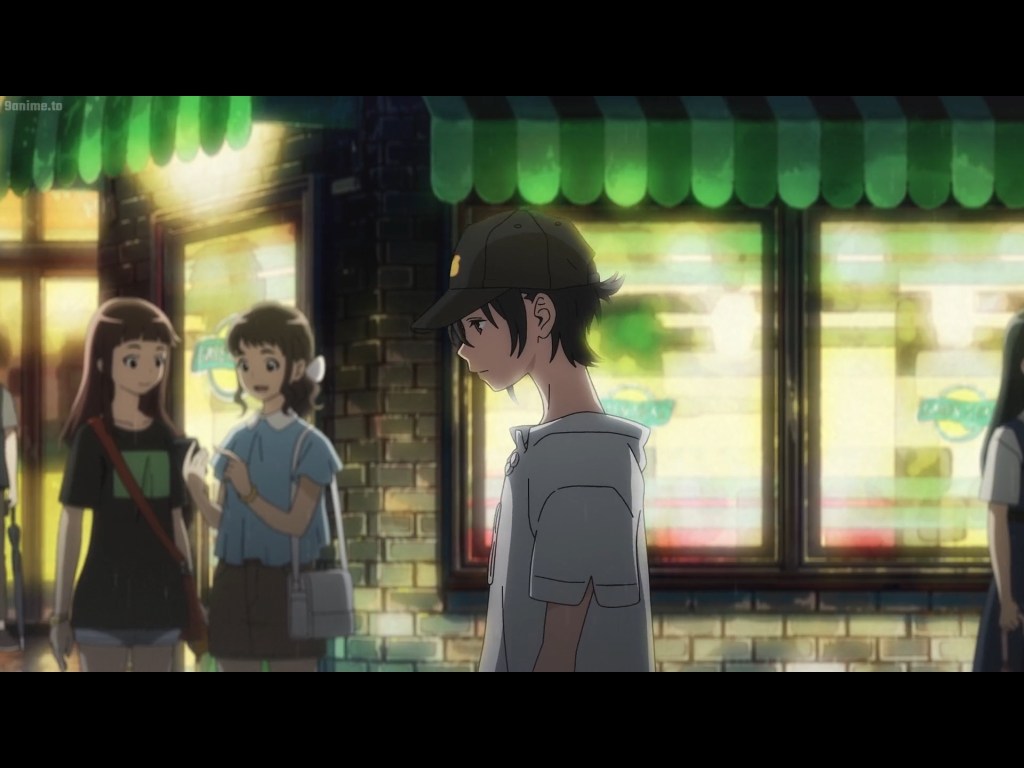
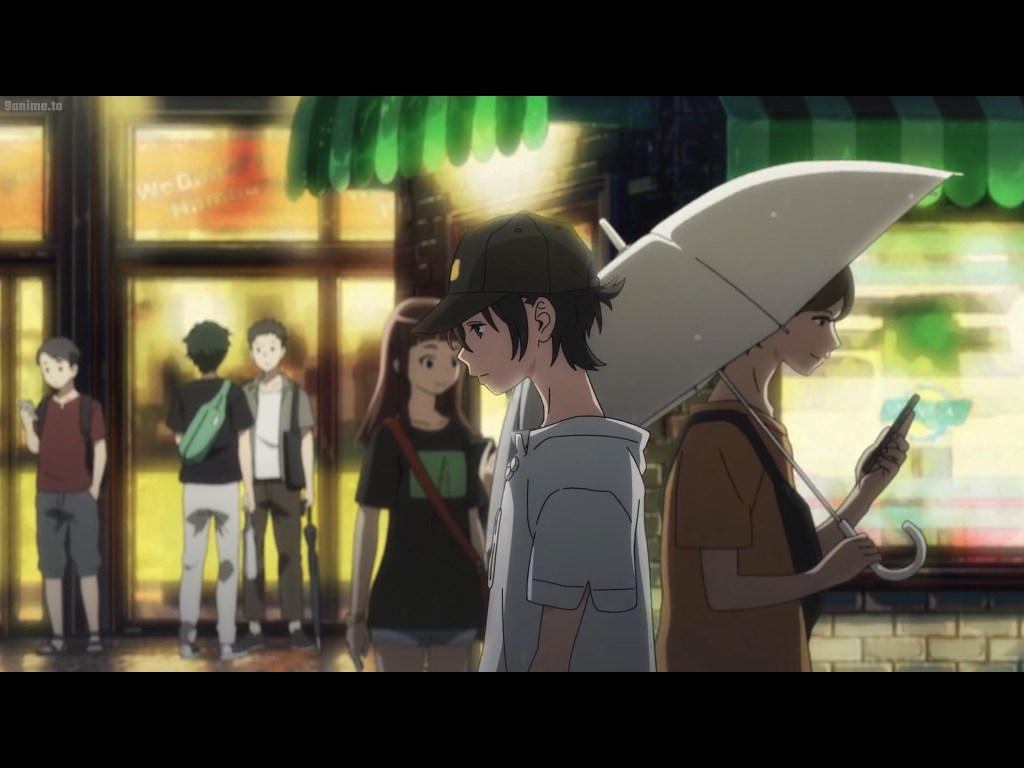
Or it also comes in a much more complex, societally-driven form as well. Shun, burdened with guilt, sees places as dominantly heteronormative, while Mio’s presence breaks that gilding and exposes their true queerness. For example, both boys work at a small family restaurant that has served islanders for years. As a family restaurant, Shun sees the restaurant as a nucleic symbol of the familial normativity he is not a part of. This ideology is showcased when Shun gets jealous of the women flirting with Mio on his first night working at the restaurant.


Shun is shrouded in darkness, while Mio is in the soft light of the restaurant; the light here represents being on the right path, the straight path if you will. Mio is seemingly basking in the light and Shun is off course, only able to look from the outside. Shun is not jealous of Mio, but of his ability to be in the light, in that heteronormative space.
Now, this perception of the restaurant is skewed a bit when other characters become involved. For instance, there are two women who work in the restaurant too– Suzu and Eri. These women are in a romantic relationship, which breaks down Shun’s image of the “family” behind the family restaurant. This space, once perceived as heteronormative, is actually a queer one. The family restaurant occupies a shared space–not an exclusive one that tells audiences that one does not have to walk the straight path to be in the light and in the family.

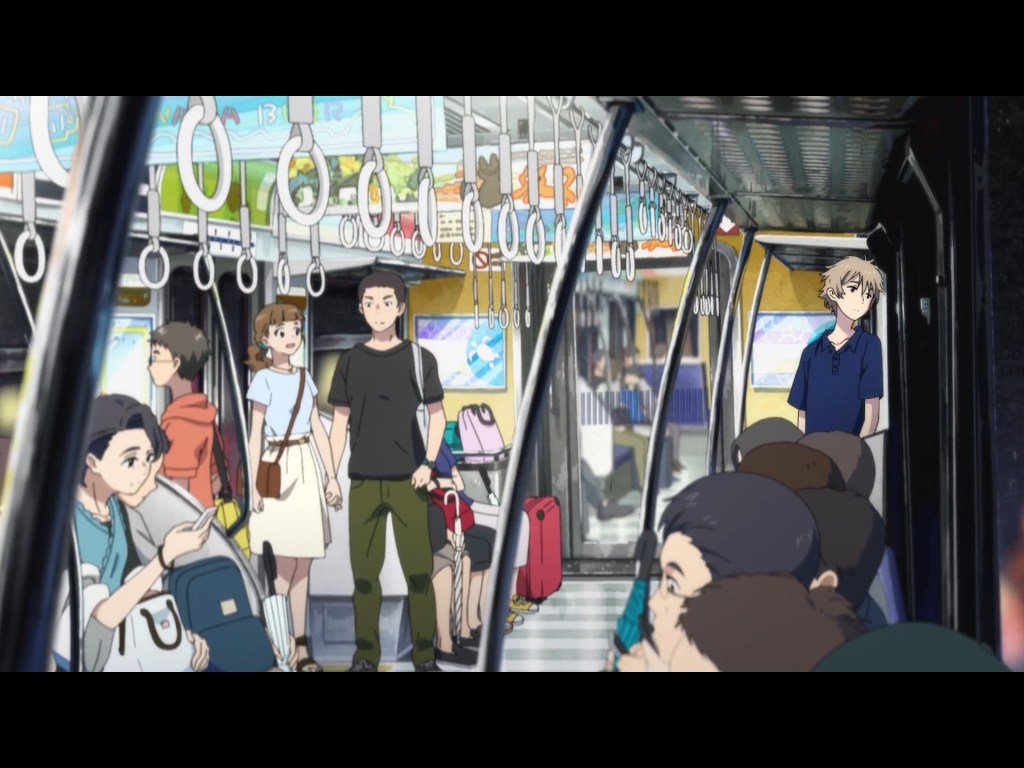
Another instance of these conflicting view points is when Shun and Mio visit the mainland; the city looks quite different to these seemingly similar men according to the background shots. When audiences look at what is surrounding Shun, the heteronormativity literally pops out; in one shot, there is a presumed male and female couple with their child and in another there are more heterosexual couples– the only single person is Shun.

Looking at the world through Mio’s eyes, however, there is a contrast. Audiences see two presumed women together, then two men together; Mio sees the queerness of society around him unlike Shun, who only focuses on what he is not. Mio and Shun balance each other out in that they bring a coalescence of societal spaces together. Where does this coalescence occur? Why by the sea side of course.
The stranger by the sea side is not a person within this film, but the idea that heteronormative and queer spaces have to be strictly separate–that there is such a thing as “strange.” Those spaces can be separate, shown by the differing perceptions of the world, but just as when the shore meets the dry land, those spaces meeting holds the potential to create an atmosphere of serenity, peace, and renewal.
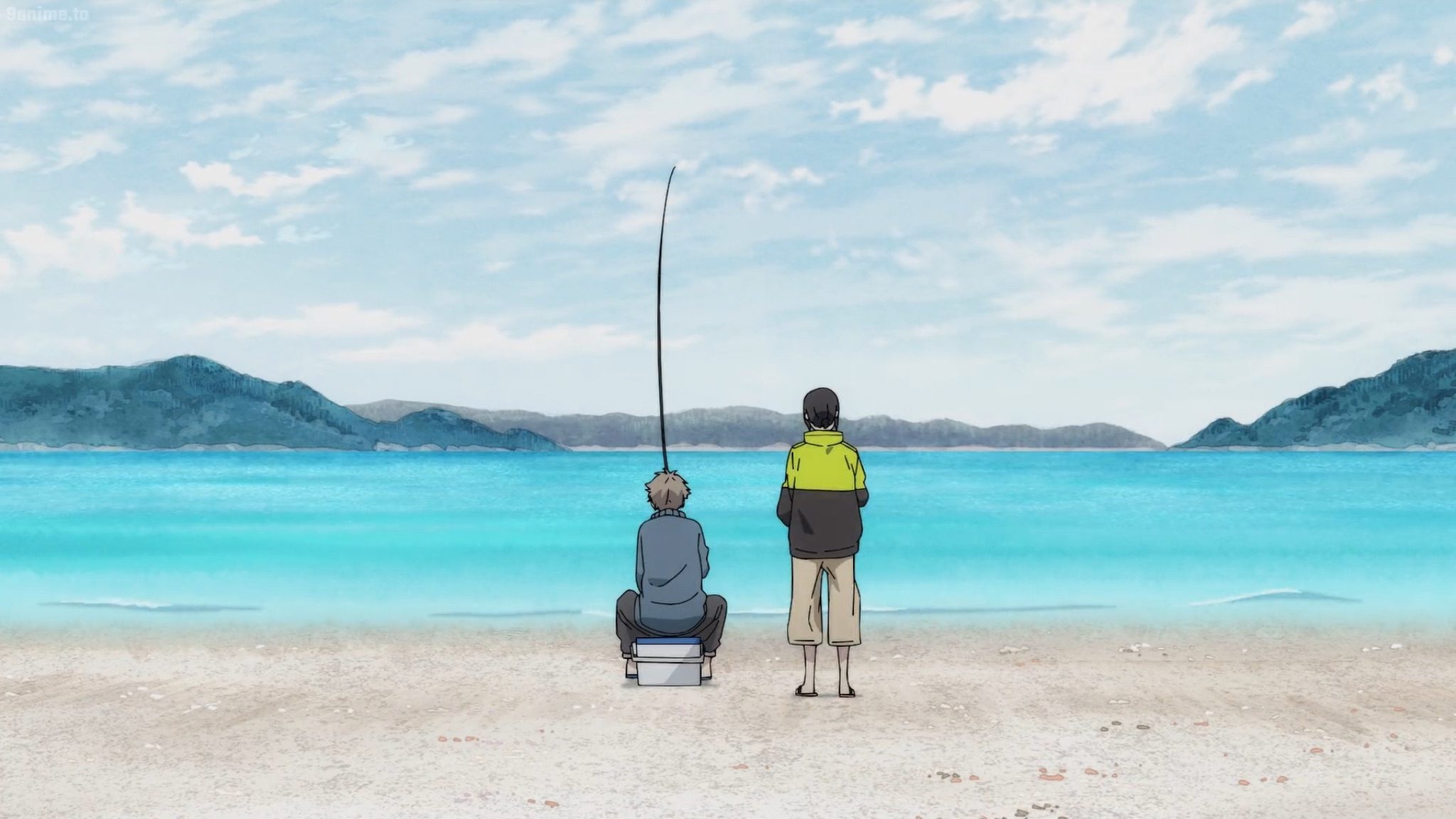
Through it’s superb character building and cinematography, the 2020 film A Stranger by the Shore vividly portrays a society hungry for inclusion and acceptance. Just as the waves on the land, Mio and Shun erode societal normativity as time passes and expose that queer spaces aren’t strange– they’re as common place as the sand in between our toes or the scent of salt in the summer breeze.

Finished on: 7/27/2021
Tracked Themes:
- heteronormative vs queer spaces
- the beach
- flowers
Rating: ⭐️⭐️⭐️⭐️⭐️/5 stars
Recommend? Y/N (but it is nsfw!!)
“I love you more than you think.”
– Shun
If you like The Stranger by the Shore (2020), then I recommend:

a sweet, calm coming-of-age bl

a coming-of-age bl set on the seaside
 Grow the Roses